 Seminole Siding
 Bardmoor's Climate Puts Real Demands on Windows
Bardmoor is an established residential community in Seminole, in Pinellas County, and like every neighborhood on this stretch of the Gulf Coast, its homes take a beating from the weather. Hurricane-force wind gusts test every seam of a window during storm season. Between storms, intense year-round UV bakes vinyl, degrades seals, and fades interior finishes. Wind-driven rain finds any gap in flashing or caulk, and salt-laden air corrodes hardware and aluminum components faster than it would inland. None of this is unique to any one house — it's the baseline every window in this area has to survive, year after year.
A window that's a good fit for a home in Ohio isn't automatically a good fit for a home in Seminole. Product selection, installation technique, and long-term maintenance all need to account for the specific combination of wind, water, sun, and salt that Pinellas County throws at a building envelope.
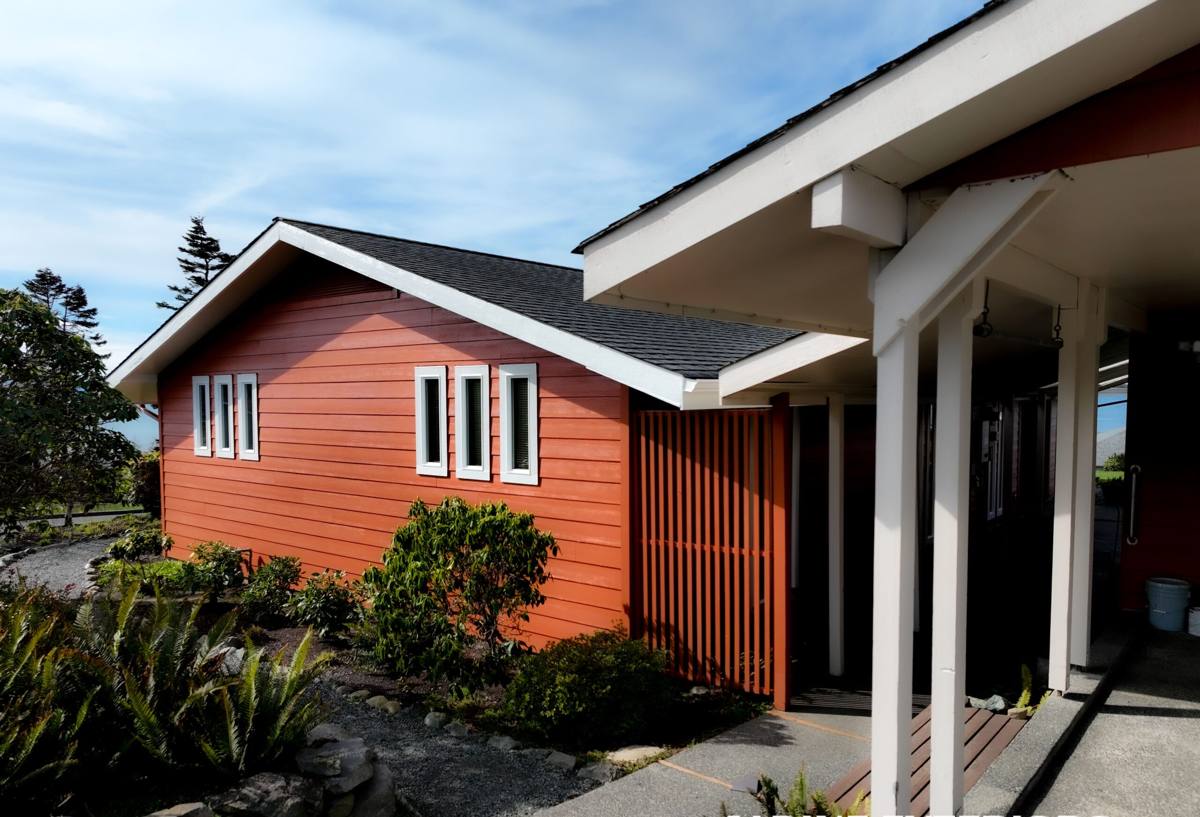
Signs It's Time to Replace Windows in Your Bardmoor Home
Windows rarely fail all at once. Usually there are warning signs for months or years before a homeowner decides to act. Worth paying attention to:
- Fogging or a permanent haze between panes of double-pane glass — the seal has failed and moisture is trapped inside
- Windows that are hard to open, close, or lock, or that have been painted shut
- Visible pitting, chalking, or corrosion on aluminum frames or hardware
- Rattling or whistling during windy weather
- Noticeable drafts near the frame even when the window is fully closed
- A jump in cooling costs without a clear explanation
- Soft or discolored wood, or bubbling paint, around the interior or exterior trim
Any one of these on its own might just mean a repair. Several at once, especially on original windows in an older home, usually means it's more cost-effective to replace than to keep patching.
What Goes Into a Correct Window Installation
Prepping the Opening
Before a new window goes in, the old one comes out and the rough opening gets inspected — not assumed to be fine. Wood rot, termite damage, or settling around the frame needs to be addressed at this stage, not covered up. A new window installed into a compromised opening will fail early no matter how good the window itself is.
Flashing and Moisture Management
This is the step that determines whether a window leaks five years from now, and it's also the step that's easiest to rush. Flashing has to integrate correctly with the home's existing weather-resistant barrier so that any water that gets behind the exterior finish is directed back out, not into the wall cavity. In a climate with as much wind-driven rain as this one, sloppy flashing is the single most common cause of hidden water damage around windows.
Fastening, Shimming, and Sealing
Shims have to be placed so the frame sits square and doesn't bow under fastener pressure — a bowed frame binds, leaks, and wears out its hardware early. Fasteners need to match what the window manufacturer specifies and land at the spacing required for the local wind load. On the exterior, sealant goes over backer rod so it can flex with temperature swings instead of cracking. The interior air seal is a separate step from the exterior water seal, and both matter.
Choosing the Right Window for This Area
Impact-Rated Glass vs. Standard Glass Plus Shutters
Florida code gives homeowners two paths to meeting wind-borne debris requirements: impact-rated glass built into the window itself, or standard glass paired with code-approved shutters or panels that get installed before a storm. Impact glass costs more upfront but stays in place year-round — nothing to install, store, or forget when a storm is approaching. Shutters or panels cost less initially but require someone to physically deploy them every time, which is worth being honest about if you travel, are often away from the house, or simply don't want that task on your list during hurricane season.
Frame Material Trade-offs
Frame material affects how a window holds up to heat, humidity, and salt air over time. There's no single right answer — it depends on your budget, your home's style, and how much upkeep you want to take on.
| Frame Material | Salt Air / Corrosion Resistance | Heat Expansion | Typical Maintenance |
|---|---|---|---|
| Aluminum | Can pit or corrode over time without coatings | Expands/contracts more than vinyl or fiberglass | Periodic hardware checks, watch for oxidation |
| Vinyl | Doesn't corrode; UV can affect color/finish over years | Moderate expansion; quality varies by manufacturer | Low — occasional cleaning |
| Fiberglass / Composite | Very good resistance to salt and moisture | Low expansion, dimensionally stable | Low; higher upfront cost |
We'll walk through which option fits your home and budget rather than pushing one material for every job — the right call depends on the house.
Florida Building Code, Wind Loads, and Permits
Pinellas County isn't part of Florida's High-Velocity Hurricane Zone — that designation applies to Miami-Dade and Broward Counties — but it is within a wind-borne debris region under the Florida Building Code, which sets minimum requirements for wind resistance and impact protection on window replacements. Products used here need a valid Florida product approval or applicable testing documentation showing they're rated for the design wind speeds in this area.
Window replacement in Seminole generally requires a permit, and permitted work gets inspected before it's considered complete. That's not paperwork for its own sake — the permit and inspection process is what confirms the installation actually meets the wind and water-resistance standards the code calls for. Skipping it, or hiring someone who skips it, can create real problems later, including insurance and resale complications.
Our Bardmoor Window Installation Process
- In-home assessment and measurement of every opening being replaced
- Review of window options, glass packages, and frame materials suited to the home
- Written proposal with product specifications and a firm scope of work
- Permit application filed before any removal begins
- Old windows removed and openings inspected and prepped
- New windows set, shimmed, flashed, fastened, and sealed to spec
- Final walkthrough and cleanup
- Permit inspection scheduled and completed
What to expect on install day:
- A clear start and estimated finish time communicated in advance
- Work areas protected with drop cloths and covers inside and out
- Old windows and debris removed from the property, not left behind
- Every new window tested for smooth operation and a proper seal before we consider the job done
- Warranty paperwork and product documentation left with you
Why Local Experience in Bardmoor Matters
A crew that regularly works in Seminole and the surrounding Pinellas County neighborhoods has already seen what's typical in homes of this area's vintage — original aluminum-frame windows, older stucco assemblies, and the kind of hidden wear that comes from decades of salt air and sun exposure. That experience shortens the time it takes to correctly diagnose what's behind the wall before a project starts, rather than finding out mid-installation.
There's also a practical side to staying local: familiarity with how the Seminole permitting process runs day to day, and being close enough to come back quickly if a warranty question comes up after the job is finished. A contractor who's only passing through the area once doesn't have the same incentive to get every detail right the first time.
Cost Factors to Expect
We won't quote a number without seeing the actual openings, but the price of a window project is driven by a handful of factors that are worth understanding before you start comparing estimates.
| Factor | Why It Affects Cost |
|---|---|
| Number of windows | More openings mean more material, labor, and permit scope |
| Glass package | Impact-rated glass costs more than standard glass plus shutters, but changes the ongoing storm-prep effort |
| Frame material | Fiberglass and composite frames generally cost more than vinyl or standard aluminum |
| Size and style | Large picture windows, bays, or custom shapes cost more than standard operable sizes |
| Opening condition | Rot, framing damage, or out-of-square openings add repair time before installation can begin |
| Access | Second-story or hard-to-reach windows take more time and equipment |
Whole-house replacements typically run into the thousands of dollars depending on these factors; single-window repairs or replacements are a much smaller project. An honest, in-person assessment is the only way to get a number you can actually rely on.
Protecting Your Windows After Installation
A correctly installed window still needs a little ongoing attention in this climate. Rinse salt residue off frames and glass periodically, especially after storms or high-wind days. Check exterior sealant once a year for cracking or separation, since UV exposure breaks down caulk faster here than in milder climates. Keep weep holes at the bottom of the frame clear and never paint over them — they're there to let trapped water drain back out. Lubricate hardware occasionally so locks and cranks keep operating smoothly, and address any new drafts or moisture signs promptly rather than waiting for them to get worse.
If you're weighing window replacement for a home in Bardmoor, we're happy to take a look and give you a straight answer about what your windows need — no pressure, no upsell. Use the form below to request a free estimate.