 Seminole Siding
 Treasure Island Sits Right at the Edge of What the Gulf Can Do to a Window
Treasure Island is a barrier island community just off Seminole, sitting directly on the Gulf of Mexico with little between the building envelope and open water. That position is part of what makes it a desirable place to live, and it's also exactly why windows here take more abuse than windows almost anywhere else in Pinellas County. Salt-laden air comes off the Gulf constantly, not just during storms. Sun exposure runs high and steady nearly year-round. And when a hurricane or tropical system tracks anywhere near the west coast of Florida, barrier island properties like Treasure Island are first in line for the wind.
We're based in Seminole and work Treasure Island regularly, along with the rest of this stretch of Pinellas County. Window work on a barrier island isn't the same job as window work a few miles inland — the wind loads are higher, the salt exposure is more constant, and the margin for a sloppy installation is smaller. This page covers what the climate actually does to windows here, how we approach repair versus replacement, what Florida's wind-borne debris requirements mean for a project like this, and why it matters to hire a crew that already knows this specific environment.
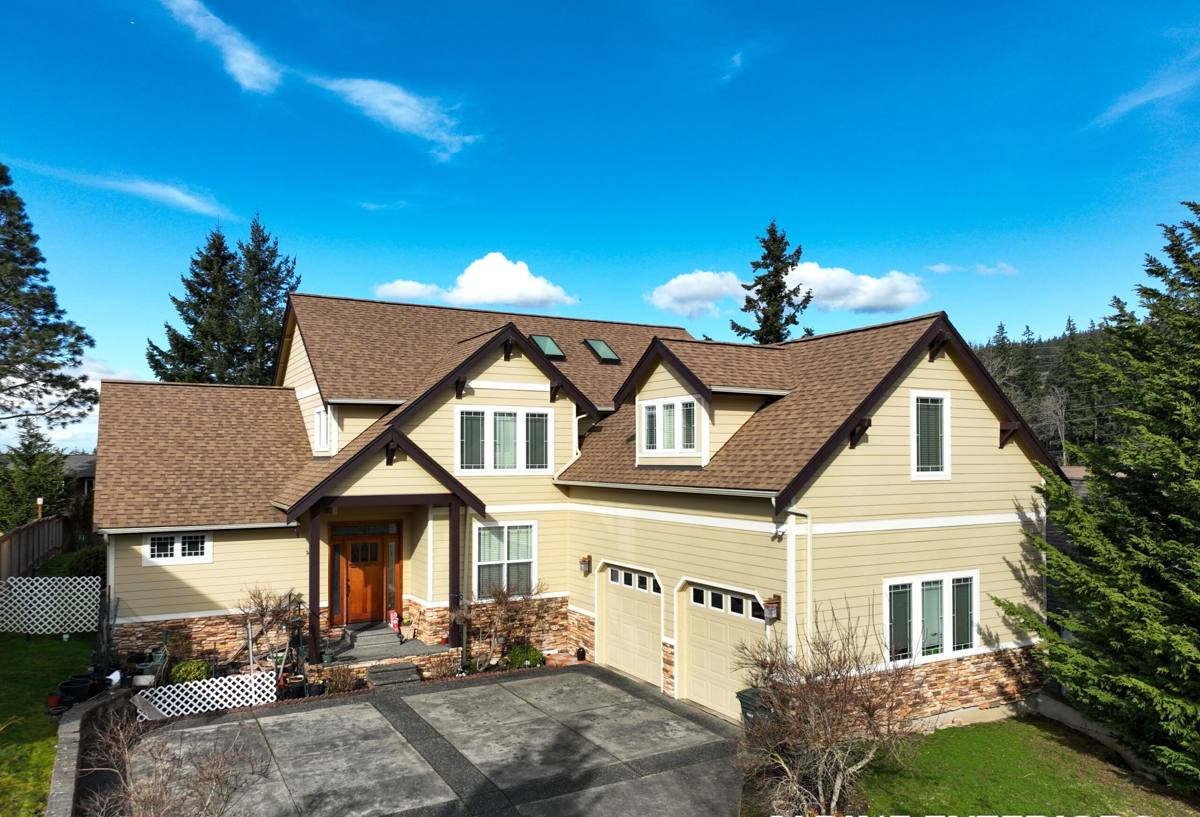
What Hurricane-Force Wind, Salt Air, and UV Do to a Window Assembly
Wind Load and Wind-Borne Debris
A window on a barrier island isn't just holding back air pressure — during a storm, it's a target for wind-borne debris and it's under sustained positive and negative pressure that a standard-grade window was never built to handle. Florida's building code accounts for this through wind-borne debris region requirements, but the code is a floor, not a guarantee. A window that meets the letter of the requirement but is installed with weak anchoring into the rough opening can still fail under real storm loads, and on Treasure Island those loads show up more often than they do a few miles inland.
Wind-Driven Rain
Rain that comes in sideways at 50, 60, or 70+ mph doesn't behave like normal rain. It gets pushed into every seam, gap, and fastener penetration around a window opening, including ones that would stay bone dry in a calm afternoon shower. Most water intrusion we find around windows on this part of the coast didn't come through the glass or the sash — it came in around the frame, at flashing that wasn't lapped correctly or wasn't there at all.
Salt Air and Corrosion
Being directly on the Gulf means Treasure Island properties deal with salt exposure that's more constant and more concentrated than what a home even a mile or two inland experiences. Salt accelerates corrosion on hardware, fasteners, and lower-grade metal components, and it can degrade certain sealants and finishes faster than manufacturers' general climate ratings account for. Hardware and fastener selection matters more here than in almost any other part of Pinellas County.
Year-Round UV
Florida's sun angle and long daylight hours put a steady UV load on window frames, seals, and finishes all year, not just in summer. Lower-grade vinyl and weaker sealants break down under that kind of sustained exposure — frames can become brittle, gaskets can lose flexibility, and finishes can chalk or fade years before they would in a less intense climate. On a barrier island, that UV load stacks on top of the salt and wind stress rather than being the only factor at play.
Signs a Treasure Island Home Needs Window Attention
- Frames or hardware showing rust, pitting, or corrosion, especially on Gulf-facing elevations
- Water staining, soft trim, or discoloration around the interior of a window frame
- Fogging or visible moisture trapped between panes on a double-pane window
- Stiff, hard-to-operate, or failing locks and hardware
- Visible daylight or drafts around the frame where it meets the wall
- A window that rattles or flexes noticeably in strong wind
- Sealant or caulk around the frame that's cracked, shrunk, or pulling away
None of these signs mean a home automatically needs full replacement, but on a barrier island property they're worth a professional look sooner rather than later — problems that would develop slowly a few miles inland tend to move faster out here.
Repair or Replacement: How We Make the Call
We don't default to replacement just because a window has an issue. A sound frame with failed hardware or a cracked seal is often a legitimate repair. A frame with corrosion damage, water intrusion into the surrounding wall, or a unit that was never rated for this wind zone in the first place usually isn't.
| Condition | Repair Usually Makes Sense | Replacement Usually Makes Sense |
|---|---|---|
| Fogged glass, sound frame and anchoring | Yes — reglaze or seal replacement | Only if frame is also compromised |
| Corroded or failing hardware | Yes — hardware replacement | Not on its own |
| Frame corrosion or visible pitting through the metal | Rarely a lasting fix | Yes |
| Non-impact-rated window in a wind-borne debris zone | Not a code-compliant long-term fix | Yes, especially before storm season |
| Water staining in the wall around the frame | Sometimes, if flashing is the sole cause | Yes, if the unit or anchoring is compromised |
Impact-Rated Glazing and What Florida Code Actually Requires
Treasure Island sits within a wind-borne debris region under the Florida Building Code, which means new and replacement windows generally need to be either impact-rated or paired with code-approved storm protection. Impact-rated windows use laminated glass built to resist penetration from wind-borne debris in large and small missile impact testing, and they carry third-party product approvals — most commonly a Florida Product Approval number or a Miami-Dade County Notice of Acceptance, which is widely used nationally as a benchmark even outside Miami-Dade itself.
Meeting code is the minimum, not the goal. A properly rated window still depends on correct anchoring into the rough opening, the right fastener spacing and embedment, and flashing integration that actually sheds water — a code-compliant window installed poorly can still leak or underperform in a real storm. We treat the installation detail as being just as important as the product rating itself, because on this island, both get tested eventually.
The Installation Details That Actually Determine Performance
We spend more time talking about flashing, anchoring, and sealant than about window brand, because in this environment those details are what separate a window that holds up for decades from one that starts failing within a few storm seasons. That means flashing that laps correctly with the surrounding wall and weather-resistive barrier, fasteners driven to the depth and spacing the product approval actually specifies, and sealant rated for sustained UV and salt exposure rather than a generic caulk used as a substitute for real flashing.
Common Problems We Find on Older Barrier Island Homes
On repair and inspection calls around Treasure Island, the most common source of window failure isn't the glass or even the frame — it's an installation shortcut from years earlier. Caulk applied over a gap instead of proper flashing, anchors that were undersized for the opening, or a window that was never actually rated for this wind zone to begin with. Those shortcuts don't usually show up immediately; they show up the first time a real storm tests them.
Choosing a Window System for a Property This Exposed
We talk homeowners through real trade-offs rather than pushing a single product as the only right answer, but a few factors matter more on Treasure Island than they would a few miles inland.
- Impact rating: For a barrier island property, impact-rated glazing rated for this wind-borne debris zone isn't an upgrade — it's the baseline we build every recommendation around.
- Frame material: Vinyl and fiberglass resist corrosion in a way uncoated or lower-grade aluminum doesn't, which matters given how much salt exposure this location sees.
- Hardware grade: Corrosion-resistant hardware holds up far longer against direct Gulf salt air than standard-grade hardware, which can start pitting within a few years out here.
- Glazing package: Low-E coatings help manage the year-round solar heat load a Gulf-facing window takes on, cutting cooling costs without sacrificing the view.
- Warranty structure: A manufacturer's product warranty only covers the unit itself — we stand behind our installation work separately, since that's usually where failures actually originate.
How Windows Fit Into the Rest of the Building Envelope
Windows rarely fail in isolation from everything around them. A new window installed without attention to the surrounding siding, trim, and drainage plane can look fine for a season or two and still leak, because water that gets past a poorly integrated window travels into the wall assembly rather than staying visible where you'd notice it. We handle siding, roofing, windows, and decks, and on a barrier island property that matters more than usual — the same wind and salt exposure stressing your windows is stressing the siding and roof-to-wall details around them, and we look at the whole envelope rather than treating a window as a standalone product swap.
Why a Crew That Already Works Treasure Island Matters
A contractor who works this island regularly has already seen how Gulf-front exposure plays out over years, not just on a single job. That shows up in decisions that don't get photographed — how much anchor embedment a specific opening actually needs, whether a fastener spec that's fine three miles inland is undersized this close to the water, which hardware grade is worth the extra cost here and which isn't. It also matters for permitting: Pinellas County's wind-borne debris zone requirements affect what product approvals and installation methods are acceptable, and a crew that pulls permits in this area regularly knows what the county expects rather than applying a generic standard built for a milder climate.
Our Process
We start with an on-site inspection — checking frame and hardware condition, seal integrity, anchoring, and how existing flashing ties into the surrounding wall. From there we give a straightforward read on which windows are reasonable repair candidates and which make more sense to replace, along with a written scope before any work begins. On a barrier island property we always confirm the wind-borne debris requirements that apply to the specific opening before recommending a product, rather than assuming one standard fits every window on the house.
If you own a home in Treasure Island and you're dealing with drafty, corroded, or aging windows — or you just want a straight answer on whether they're ready for the next storm season — we're happy to take a look. Reach out below for a free, no-pressure estimate.