 Seminole Siding
 Windows on a Barrier Island Take a Different Kind of Beating
Redington Beach sits on a narrow strip of land with the Gulf on one side and the Intracoastal on the other, which means every window in every home here is exposed to conditions that inland Pinellas County properties simply don't deal with the same way. Salt-laden air moves through the neighborhood constantly, not just during storms. Sun exposure is near-constant for most of the year. And when wind picks up off the open water, it hits these homes directly, without the buffer of trees or other structures that a more inland lot might have. Window replacement here isn't just about picking a style you like — it's about matching the product and the installation to a barrier island environment that will find every weak point over time.
We work throughout Seminole and the surrounding beach communities, and Redington Beach jobs come with their own set of considerations we plan for before a single window is ordered.
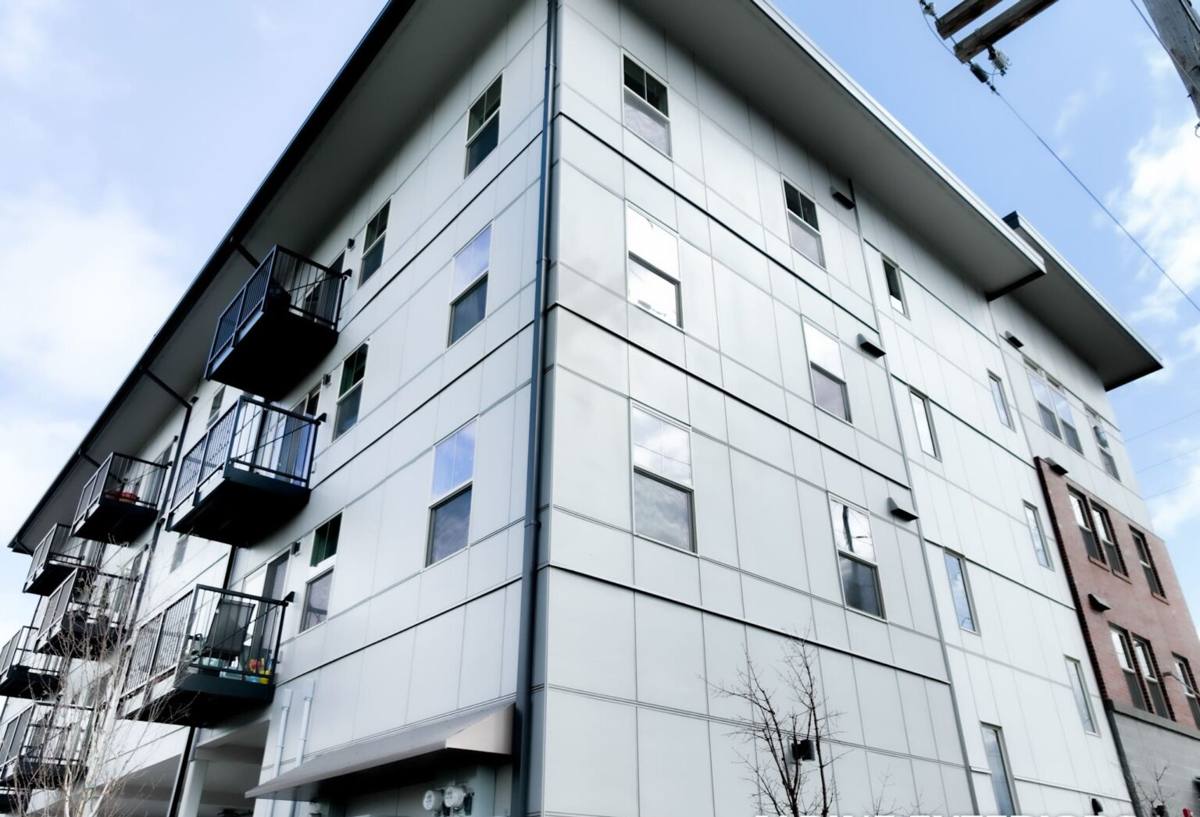
What Barrier Island Exposure Does to Windows Over Time
Salt air and hardware corrosion
Airborne salt settles on everything, including window frames, hinges, locks, and screen hardware. Cheaper fasteners and lower-grade hardware corrode faster in this environment, which leads to windows that stick, latches that fail to seat properly, and frames that develop pitting or discoloration years before they should. This is one of the biggest reasons product selection matters more here than it does a few miles inland.
UV and seal degradation
Florida sun is intense and consistent year-round. On south- and west-facing exposures especially, UV breaks down weatherstripping, gasket seals, and the sealant lines around a window opening. Once a seal degrades, the window stops performing the way it was designed to — energy bills creep up, and small gaps start letting in moisture during wind-driven rain.
Wind-driven rain and water intrusion
Storms in this area rarely bring rain straight down. Wind pushes it sideways and at an angle into window openings, which is exactly the condition that exposes a poor installation. Water intrusion around windows is almost never a product failure on its own — it's usually a flashing, sealant, or opening-prep problem. We treat this as the most important part of the job, because it's the part that determines whether a window performs correctly for the next fifteen to twenty years or starts causing hidden damage in year three.
Florida Building Code and What "Impact-Rated" Actually Means Here
Pinellas County properties near the coast, including Redington Beach, generally fall within Florida's wind-borne debris region under the Florida Building Code. In practical terms, that means replacement windows in this area typically need to either be impact-rated (carrying a valid Notice of Acceptance, or NOA, for the wind zone) or paired with code-compliant protection such as approved shutters. Impact-rated windows use laminated glass with an interlayer that holds together under impact, which does double duty here: it protects the opening during a storm event, and it blocks a meaningful amount of UV transmission during normal daily use.
Permits
Window replacement in Redington Beach requires a permit through the local building department, and inspections confirm that the installed product matches its approved rating and that the installation follows the manufacturer's NOA-specific instructions — fastener type, spacing, and embedment all matter and get checked. We pull permits as part of the job and handle scheduling the inspection; homeowners shouldn't have to chase this down themselves.
Choosing the Right Window for This Location
There's no single "best" window for every home — it depends on exposure, budget, and how the house is built. Here's how the common options stack up for a barrier island property specifically:
| Frame Material | How It Handles Salt Air | Maintenance | Typical Fit |
|---|---|---|---|
| Vinyl | Good — won't corrode; UV-stable formulations hold color better than older vinyl | Low — occasional cleaning | Most common choice for full replacement on Gulf-front and near-coastal homes |
| Aluminum | Fair — durable structurally, but hardware and fasteners need to be corrosion-resistant grade | Moderate — hardware should be inspected periodically | Common on older Florida homes; still used where a narrower sightline is wanted |
| Fiberglass | Very good — highly stable in heat and salt exposure | Low | Higher upfront cost, strong long-term option for full exposure sites |
| Wood/wood-clad | Poor without significant upkeep — not something we recommend for this exposure | High | We generally steer homeowners away from this here; moisture and salt make upkeep a real burden |
Beyond frame material, the glass package matters as much as the frame. For Redington Beach we typically discuss impact-rated laminated glass with a low-E coating — the laminate handles the structural and code side, and the low-E coating cuts down radiant heat gain, which matters on a property getting sun exposure most of the day.
What a Correct Installation Involves
The window itself is only part of what determines how it performs. The installation is where most long-term problems either get prevented or built in. On every job we handle:
- Removing the old window and inspecting the rough opening for hidden rot, corrosion, or prior water damage before anything new goes in
- Correcting any framing or substrate issues found, rather than installing over a compromised opening
- Installing flashing in the correct order (sill pan, jamb, head) so water is directed out, not trapped behind the wall
- Using fasteners and anchoring specified by the window's NOA for the applicable wind zone — not a generic fastener schedule
- Sealing with products rated for exterior exposure and movement, applied at the correct joints, not just caulked over gaps
- Verifying the window operates correctly and seals properly before final trim and interior finish work
- Scheduling the required inspection and keeping documentation of the approved product and installation for the homeowner's records
Skipping any one of these steps is how a technically "impact-rated" window still ends up with a leak or a failed seal within a few years. The product rating protects you on paper; the installation is what protects the house.
Our Process, Start to Finish
We keep the process straightforward and don't push homeowners toward more than their home actually needs:
- On-site assessment — we look at existing window condition, exposure per elevation of the house, and any signs of past water intrusion around openings.
- Product recommendation — based on exposure, budget, and code requirements for the property, not a one-size answer for every home on the street.
- Written estimate — clear scope, product specs, and pricing before any commitment.
- Permitting — we handle the permit application and coordinate the required inspection.
- Installation — opening prep, flashing, code-compliant anchoring, and sealing done in the correct sequence.
- Final walkthrough and inspection — we confirm operation and finish with you before considering the job complete.
Signs Your Current Windows Are Due for Replacement
Homeowners often live with early warning signs longer than they should because the problems start small. Worth checking for:
- Windows that are difficult to open, close, or lock — a common early sign of hardware corrosion in this environment
- Visible fogging or moisture between panes, which means the seal has failed
- Soft spots, staining, or discoloration on the wall or trim around a window frame
- Noticeable drafts or a sudden jump in cooling costs during peak summer months
- Frames that are original to a home built before more current Florida Building Code wind requirements took effect
- Chalking, pitting, or visible salt residue that won't clean off frame surfaces
Any one of these on its own isn't necessarily an emergency, but they tend to compound. A window that's hard to lock today is often a window letting in wind-driven rain during the next storm.
Why Local Experience Matters for This Job
A window replacement crew that mostly works inland jobs isn't wrong about windows in general — but they may not be thinking about the specific combination of salt exposure, direct wind loading, and wind-borne debris region requirements that apply to a Redington Beach address. We work these barrier island streets regularly, we know what the local permitting office expects to see, and we know which products and installation details actually hold up in this exposure versus which ones look fine on a spec sheet but underperform a few blocks from the Gulf. That's the difference between a window that's technically installed and one that's installed correctly for where it sits.
If your windows in Redington Beach are showing their age, underperforming during storms, or you're simply planning ahead, we're happy to take a look and walk you through honest options for your specific home. Reach out for a free, no-pressure estimate using the form below.