 Seminole Siding
 Asphalt Shingle Roofing Built for Pinellas Park's Climate
Pinellas Park sits inland enough from the Gulf to feel like it should be sheltered, but it isn't spared much. The same weather that batters the coastline in Seminole and across Pinellas County still reaches here in full force: tropical systems with hurricane-force gusts, wind-driven rain that finds every gap in a roof system, and sun exposure that runs nearly year-round instead of tapering off in winter like it does further north. Salt-laden air drifts in from both the Gulf and Tampa Bay, and it settles on roofing materials whether a house is a block from the water or several miles inland.
An asphalt shingle roof that's installed correctly can handle all of that for fifteen to twenty-five years, depending on the product. One that's installed with shortcuts — thin nailing patterns, reused flashing, skipped underlayment steps — tends to show problems within the first few storm seasons. The gap between those two outcomes isn't really about the shingle brand. It's about the installation details underneath it, most of which a homeowner never sees once the roof is finished.
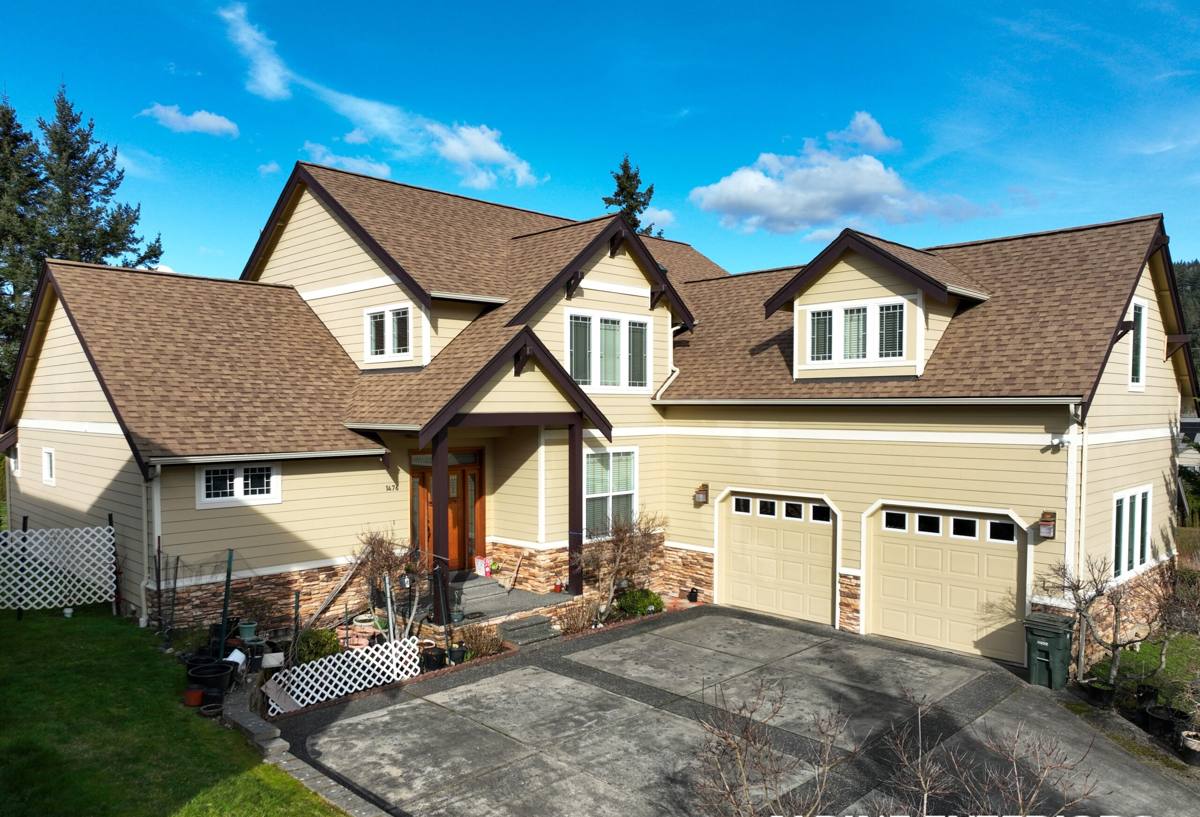
What Pinellas Park Homes Actually Need From a Shingle Roof
Local roofs take stress from several directions at once, and a roofing system has to answer all of them, not just one.
Wind Resistance
Florida's building code sets minimum wind uplift standards by wind speed zone, and Pinellas County enforces them closely. That means nailing patterns, shingle wind ratings, and starter strip installation aren't optional details — they're inspected. A shingle that's rated for high wind but installed with the wrong nail count or placement won't perform to that rating in an actual storm.
Wind-Driven Rain
Straight-down rain is easy for almost any roof to shed. Wind-driven rain is different — it can travel sideways and even slightly upward under the shingle tabs, which is why underlayment, proper shingle overlap, and flashing at every penetration matter as much as the shingles themselves.
UV and Heat
Central Florida sun breaks down asphalt shingles faster than it does in most of the country. UV exposure dries out the asphalt over time, which is what eventually leads to granule loss and brittleness. Attic heat compounds this from underneath, which is why ventilation is part of this conversation and not a separate topic.
Salt Air and Humidity
Metal components — nails, flashing, vent boots — are the parts most vulnerable to salt air corrosion. Persistent humidity also encourages algae growth on the shingle surface, which shows up as dark streaking over time, more of a cosmetic and resale issue than a structural one, but a real one for curb appeal.
What a Correct Installation Involves
A shingle roof is a system, not a single layer. Each part depends on the one below it being done right.
Deck Inspection and Prep
Before anything goes down, the roof deck itself needs to be sound — no soft spots, delamination, or rot. Skipping this step and roofing over a compromised deck is one of the most common shortcuts in the trade, and it's invisible until the roof starts failing from underneath.
Underlayment
This is the roof's actual water barrier — the shingles are the first line of defense, but the underlayment is what keeps a home dry if wind-driven rain gets past them. Synthetic underlayment has largely replaced felt paper because it holds up better to Florida humidity and handles brief exposure during installation without degrading.
Nailing Pattern and Fastener Count
Florida's high-wind zones typically call for six nails per shingle rather than four, placed in the manufacturer's specified nailing zone. This single detail is one of the biggest factors in whether a roof holds together in sustained wind.
Flashing at Every Penetration
Chimneys, vent pipes, skylights, and roof-to-wall transitions are where most leaks actually start — not in the open field of shingles. Step flashing, counter-flashing, and properly sealed pipe boots need to be installed correctly and re-flashed (not just caulked over) during a reroof.
Starter Strips and Ridge Caps
The starter course along the eaves and the ridge cap along the peak are both high-wind-load areas. Using purpose-made starter strip and ridge cap product, rather than cutting standard shingles down to size, gives those areas the sealant strip placement and wind resistance they're rated for.
Comparing Shingle Options for This Area
Not every asphalt shingle product is built the same way, and the differences matter more here than in a milder climate. This is a general comparison to help frame the conversation — actual product lines and wind ratings vary by manufacturer.
| Shingle Type | Typical Wind Rating | Typical Lifespan | Best Fit |
|---|---|---|---|
| 3-Tab | Lower end of rated range | 15-18 years | Budget-conscious projects, secondary structures |
| Architectural / Laminate | Mid-to-high range | 20-25 years | Most Pinellas Park homes; better wind and impact performance |
| Impact-Rated Architectural | High range, often with UL 2218 Class 4 rating | 20-25+ years | Homes seeking insurance premium credits and added storm resilience |
Architectural shingles have become the standard choice locally, not because 3-tab shingles are a bad product, but because the extra thickness and dimensional profile hold up better to sun exposure and wind uplift over the life of the roof — a better match for what this climate asks of a roof year after year.
Our Process, Start to Finish
- On-site inspection. We walk the roof and the attic, check the deck condition, flashing, ventilation, and current shingle wear before recommending repair or replacement.
- Written estimate. A clear scope of work and price — no vague allowances or surprise add-ons discovered mid-project.
- Permit and material order. Pinellas County requires a permit for reroofing; we handle that filing and schedule material delivery once it's approved.
- Tear-off and deck check. Old shingles come off down to the deck, which gets inspected and repaired before anything new goes down — this step can't be judged accurately from the ground.
- Underlayment, flashing, and shingle installation. Installed to current Florida Building Code wind and fastening requirements.
- Cleanup and final walkthrough. Magnetic sweep for stray nails, debris removal, and a final review with the homeowner before we consider the job done.
- Inspection sign-off. We coordinate the county inspection required to close out the permit.
Repair or Replace? Signs Worth Knowing
Not every roof problem means a full replacement, but ignoring early signs usually turns a repair into one. Watch for:
- Granules collecting in gutters or at downspout outlets
- Shingles that look curled, cupped, or cracked, especially on south- and west-facing slopes
- Bald or shiny patches where granule coverage has worn thin
- Dark streaking across the shingle surface (algae growth, mostly cosmetic but worth addressing)
- Soft spots or sagging when walked on, which can point to deck damage underneath
- Daylight visible through the attic roof boards
- Water stains on interior ceilings, especially after wind-driven rain
- Missing shingles or exposed nail heads after a storm
A roof showing several of these at once, or one that's already past 18-20 years old, is usually a better candidate for replacement than another round of patch repairs.
Ventilation: The Half of the Roof System People Forget
A shingle roof doesn't work in isolation from the attic underneath it. Without adequate intake and exhaust ventilation, attic heat builds up, which shortens shingle life from underneath and can push cooling costs higher during Florida's long summer. Balanced ventilation — soffit intake paired with ridge or box vent exhaust — is something we evaluate as part of any reroof, not an upsell added afterward.
Permits, Codes, and Insurance in Pinellas County
Reroofing in Pinellas Park requires a county building permit, and the completed work has to pass inspection before that permit closes. Beyond the legal requirement, a permitted, code-compliant install matters for two practical reasons: it protects the homeowner if a warranty claim comes up later, and many insurance carriers request proof of permitted roof work — along with a wind mitigation inspection — when writing or renewing a policy in this part of Florida. A roof installed without a permit can complicate both of those down the road.
Why a Local Crew Matters for This Work
A roofing crew that regularly works in Seminole and Pinellas Park already knows the county permitting process, the inspectors, and the wind zone requirements that apply here — that familiarity keeps a project moving instead of stalling on paperwork. Just as important, we're not driving in from out of the area if a warranty question or a post-storm concern comes up two years down the line. Roofing is one of those trades where being reachable and known locally actually matters when something needs a second look.
After Installation: Keeping a Shingle Roof Sound
A new roof still benefits from basic upkeep. Clearing debris and overhanging branches, keeping gutters flowing so water doesn't back up under the eaves, and having the roof looked at after any major storm all extend the life of the system. Most manufacturer warranties also expect reasonable maintenance and prompt repair of any damage, so a quick post-storm check is worth doing even when nothing looks obviously wrong from the ground.
If you're weighing a repair, a full reroof, or just want an honest read on where your roof currently stands, we're happy to take a look. Reach out for a free, no-pressure estimate using the form below.