 Seminole Siding
 Building Decks in Bardmoor: A Different Set of Rules
Bardmoor sits inland from the coast but not far enough to escape what Pinellas County weather does to outdoor structures. Homeowners here often assume that because they're not beachfront, their deck won't take the same beating a waterfront property does. That's only partly true. Salt-laden air still travels well inland on sea breezes, afternoon UV is just as intense, and when a tropical system rolls through, wind doesn't check your distance from the Gulf before it tests your fasteners and framing. A deck built for Bardmoor needs the same attention to hurricane-force wind resistance, sun exposure, and moisture management as one built anywhere else in this county — the difference is just in how those problems show up.
Because so much of Bardmoor was built out during an earlier era of construction, we also see a lot of older decks and patio structures that were never designed for today's wind load requirements or built with materials meant to last in this climate. A lot of our work here is replacing or upgrading those structures, not just adding new ones.
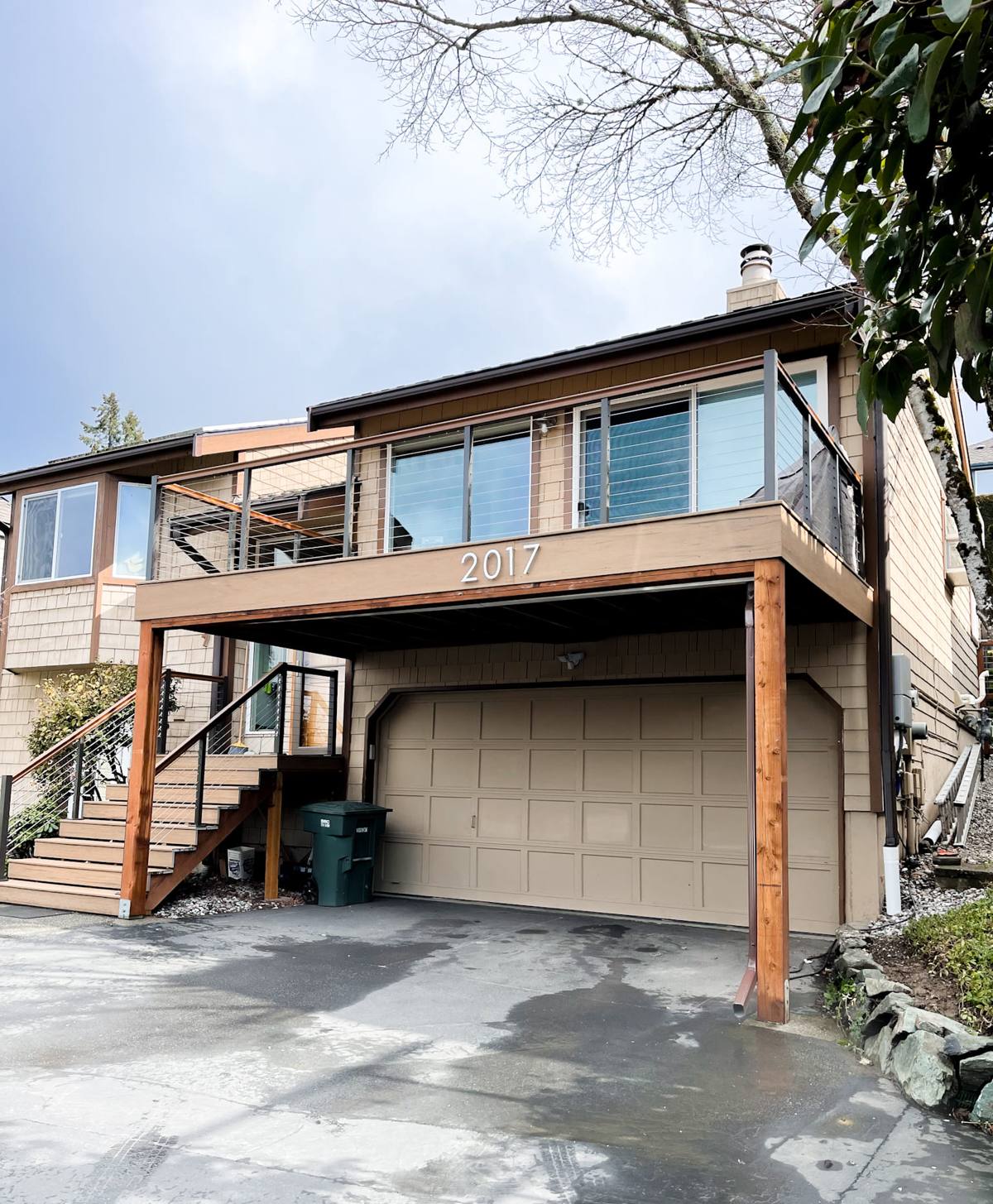
What Bardmoor Homes Actually Need From a Deck
Bardmoor is a mostly residential, golf-course-adjacent community with a mix of single-family homes, many of them with pools or lanai areas where a deck ties into existing outdoor living space. That context matters for how we approach a build:
- Decks near pools need slip-resistant surfaces and decking that won't hold standing water or breed algae in our humidity.
- Decks that back up to golf course views often call for open rail designs that don't block sightlines, which changes how we engineer railing support.
- Older homes may have existing ledger boards, slab edges, or foundation conditions that need to be evaluated before we can attach a new structure safely.
- Shaded, tree-covered lots common in older Bardmoor streets change how quickly wood decking retains moisture and where mildew tends to form.
A generic deck plan doesn't account for any of this. Walking the property first, and knowing what these lots and homes tend to look like, is what lets us design something that actually fits.
Choosing the Right Decking Material for This Climate
Every decking material has trade-offs, and the right choice depends on your budget, how much upkeep you're willing to do, and how the deck will be used. We'll walk through the honest pros and cons rather than push one option.
| Material | Upfront Cost | Maintenance | How It Handles Sun, Salt Air & Moisture |
|---|---|---|---|
| Pressure-treated wood | Lowest | Annual sealing/staining recommended | Prone to graying, splintering, and warping under intense UV and humidity if not maintained |
| Composite decking | Mid-range | Low — occasional washing | Resists rot and insects well; quality varies by product, so fading and moisture resistance depend on the brand |
| PVC / capped polymer decking | Higher | Very low | Best moisture and salt-air resistance of the common options; fully sealed surface doesn't absorb water |
| Tropical hardwoods (e.g., ipe) | High | Periodic oiling to maintain color | Naturally dense and rot-resistant, but still needs upkeep to prevent surface checking in strong sun |
We install composite and PVC decking from established manufacturers like Trex, TimberTech, and AZEK, along with traditional wood when that's the right fit for the budget or the look a homeowner wants. We won't tell you a cheaper wood deck is a bad choice — for some homeowners it's the right call — but we will be upfront that it comes with a maintenance schedule you need to actually keep up with in this climate, or it will show wear faster than composite or PVC would.
A Note on Fasteners and Hardware
Whatever decking material you choose, the hardware holding it together matters just as much. Standard galvanized fasteners can corrode faster than expected in areas that get regular salt-air exposure, which includes most of Pinellas County even away from the immediate coastline. We use stainless steel or coated fasteners rated for coastal exposure on every deck we build, because replacing a deck board is a lot cheaper than dealing with fastener failure down the line.
What Actually Holds a Deck Together: The Framing You Don't See
The decking surface is what you notice, but the framing underneath is what determines whether a deck survives a windstorm. This is where a lot of older or budget-built decks fail — not because the boards were bad, but because the structure underneath wasn't built to current standards.
A correctly built deck for our area includes:
- Properly sized and spaced joists engineered for the actual load and span, not just "what looks about right."
- Ledger board attachment using through-bolts and flashing that keeps water from getting behind the connection to your house — a common source of hidden rot.
- Joist hangers and structural connectors rated for the loads involved, installed with the correct fasteners rather than whatever screws are on hand.
- Footings sized and set to local code depth, which matters more than people expect given how our soil and water table behave.
- Uplift connections at posts and beams — the hardware that keeps a deck from lifting or racking in high wind, which is the difference between a deck that survives a tropical storm and one that doesn't.
None of this is visible once the decking goes down, which is exactly why it's worth asking a contractor to walk you through it before the boards are ever installed.
Permits, Codes, and Wind Load Requirements
Pinellas County requires a permit for most new deck construction and many significant deck repairs or replacements, and inspections are part of that process for good reason — the framing and connection details above are exactly what an inspector is checking. Wind load requirements for this part of Florida are not optional guidelines; they reflect what's actually needed for a structure to hold up when a named storm comes through.
We handle the permitting process as part of our standard scope, which means:
- Design and material selection based on your goals and budget
- Engineering and drawings that meet current wind load and structural requirements
- Permit submission and coordination with the county
- Construction, with inspections scheduled at the required stages
- Final walkthrough and permit close-out
Skipping permits on a deck project might save time upfront, but it creates real problems later — unpermitted structures can complicate home sales, insurance claims, and any future work that touches the same area. It's not a corner worth cutting.
Our Process, Start to Finish
Every deck project we take on in Bardmoor follows the same basic sequence, though the details shift depending on the home:
1. On-Site Consultation
We walk the property, look at how the space is used, check existing conditions like slab edges or ledger attachment points, and talk through what you actually want the deck to do — entertaining space, pool access, golf course views, or just more usable square footage.
2. Design and Material Selection
We put together a plan that fits the layout of your lot and walk you through decking and railing material options honestly, including cost and maintenance trade-offs.
3. Engineering and Permitting
Drawings get finalized to meet Pinellas County code and current wind load requirements, and we handle permit submission.
4. Construction
Framing first, with attention to ledger attachment, footings, and connector hardware, followed by decking, railings, and stairs.
5. Inspection and Walkthrough
Required inspections are scheduled as the project progresses, and we do a final walkthrough with you before calling the job done.
Railings, Stairs, and the Safety Details That Get Overlooked
Railing height, baluster spacing, and stair construction are all governed by code for good reason — these are the details that prevent falls and injuries, not just aesthetic choices. We see this get shortcut most often on DIY builds and older decks that predate current code. When we replace or build a deck, railing and stair details are engineered to current requirements from the start, not treated as an afterthought once the decking is down.
If you're considering an open-rail design to preserve a golf course or yard view, that's absolutely doable — it just means the structural support for the railing posts needs to be planned into the framing rather than added on later.
Living With a Deck in Seminole's Climate: What Upkeep Actually Looks Like
Whatever material you choose, a deck in this climate needs some level of ongoing attention. Here's a realistic breakdown of what that looks like:
- Rinse off salt residue, pollen, and organic debris periodically — how often depends on how exposed your lot is to open air versus tree cover.
- Check fastener heads and connector hardware annually for early signs of corrosion, especially on older builds.
- For wood decking, plan on resealing or staining on a regular cycle rather than waiting until it visibly needs it.
- For composite and PVC decking, periodic washing is typically enough, but check manufacturer guidance since products vary.
- Keep an eye on the ledger board area where the deck meets the house — this is the most common spot for hidden moisture problems to develop.
None of this is complicated, but skipping it is how a well-built deck ends up needing early repairs.
Why It Matters to Hire a Crew That Already Works in Bardmoor
A deck builder who works regularly in this area already knows what Pinellas County inspectors expect, understands how local lots and older home construction typically look, and has already worked through the practical realities of building around pools, golf course setbacks, and mature landscaping that's common here. That familiarity saves time during permitting and design, and it means fewer surprises once construction starts.
It also means we're not guessing about how this climate treats a deck over time — we've seen what holds up and what doesn't, and we build accordingly rather than defaulting to whatever's cheapest or fastest.
If you're planning a new deck or need to replace one that's showing its age, we're happy to come take a look and talk through honest options for your property. There's no pressure and no cost to get an estimate — just a straightforward conversation about what your home actually needs.