 Seminole Siding
 Metal Roofing Built for Belleair Beach's Coastline
Belleair Beach sits right on the barrier island, which means every roof here is doing double duty — shedding water and standing up to salt air that never lets up. If you've owned a home on this stretch of Pinellas County for more than a few years, you already know that a roofing material that performs fine three miles inland can fail early once it's this close to the Gulf. Metal roofing, installed correctly with the right coatings and fasteners, is one of the few systems that genuinely holds up to what this barrier island throws at it year after year.
We install metal roofing across Seminole and the surrounding Pinellas County beach communities, and Belleair Beach jobs get treated differently from the start — not because the metal is different, but because the exposure, the wind zone, and the salt load call for different decisions at almost every step.
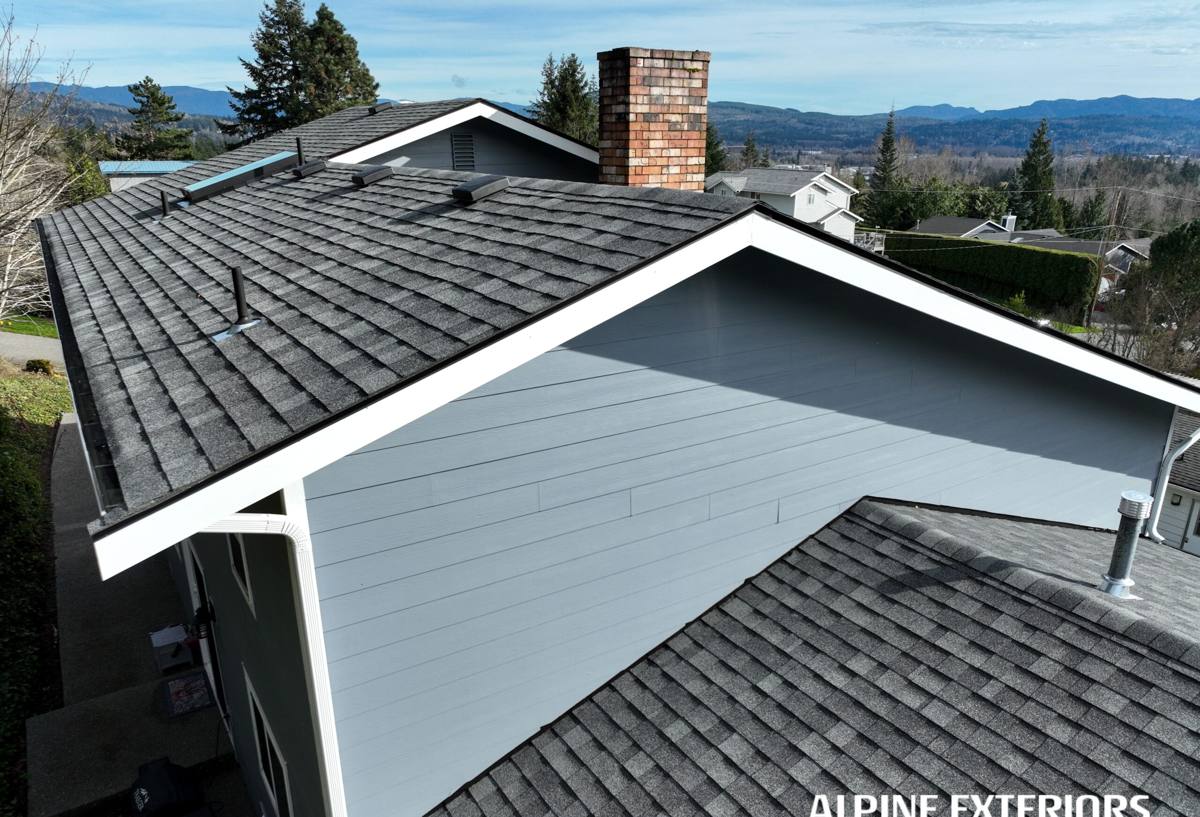
What Belleair Beach's Climate Actually Does to a Roof
It helps to be specific about what a roof on this island is up against, because it's more than just "it's hot and it rains."
Hurricane and straight-line wind loads
Belleair Beach is directly exposed to Gulf-driven wind events, with nothing between the house and open water to slow gusts down. Roofing here has to meet Florida Building Code wind provisions for coastal exposure, and fastening patterns that pass inspection a few miles inland can be undersized for a barrier island lot. Uplift at the eaves, rakes, and ridge is where roofs fail first in a storm, and that's exactly where we spend the most attention.
Salt air and corrosion
Salt-laden air corrodes exposed metal, fasteners, and flashing faster the closer you are to the water. A panel or screw that's rated for general Florida use isn't automatically rated for direct salt exposure. This is the single biggest reason a metal roof installed for a beachfront home needs different material specs than the same house set back a mile.
UV load and thermal cycling
Florida sun is intense nearly every day of the year, and a metal roof expands and contracts with heat more than most homeowners expect. Paint finishes, sealants, and fastener gaskets all degrade under sustained UV — the difference between a coating that lasts 20+ years and one that chalks and fades in under ten usually comes down to the finish system, not the base metal.
Wind-driven rain
During tropical storms and nor'easters, rain doesn't fall straight down here — it comes in sideways, hard enough to find any gap in flashing, underlayment laps, or penetration seals. A roof can look perfectly installed and still leak in a wind-driven event if the underlayment and flashing details weren't built for that specific failure mode.
Why Metal Makes Sense for This Location
Metal roofing isn't the right call for every home or every budget, and we'll say so plainly if that's the case. But for a barrier island property in Pinellas County, it earns its cost in a few concrete ways:
- Higher wind ratings than most shingle products when installed with the correct fastening and clip spacing
- No granule loss or shingle mat degradation from constant UV and salt exposure
- Lower maintenance burden over the life of the roof compared to systems that need periodic recoating or shingle replacement
- Better performance shedding wind-driven rain when panels, seams, and flashing are matched correctly
- Long service life that can offset the higher upfront cost over 25-40+ years
The trade-off is cost and installation sensitivity — metal roofing is unforgiving of shortcuts. A poorly installed metal roof can underperform a well-installed shingle roof, which is why the installer matters as much as the material.
What a Correct Metal Roof Installation Involves Here
Deck inspection and prep
Before any panel goes down, the roof deck gets inspected for soft spots, delamination, and fastener holding strength. On older Belleair Beach homes, we sometimes find decking that's been quietly weakened by years of humidity intrusion around old penetrations — that gets addressed before anything else happens, not covered over.
Underlayment suited to coastal exposure
We use self-adhered, high-temperature underlayment rated for the sustained heat metal roofing generates, with full coverage at eaves, valleys, and penetrations — the areas most exposed to wind-driven rain.
Fastener and clip selection
For direct coastal exposure, we spec corrosion-resistant fasteners and, on exposed-fastener or standing seam systems, clip spacing tightened to meet or exceed the wind uplift requirements for this exposure category. This is not the place to use general-purpose hardware.
Panel system choice
Standing seam systems (concealed fasteners) generally perform better long-term in direct salt exposure because there are fewer exposed penetration points for corrosion to start. Exposed-fastener panel systems cost less upfront but require more attention to fastener quality and periodic inspection over time. We'll walk through both honestly for your specific home and budget.
Flashing and penetration detailing
Every pipe boot, vent, chimney, and wall transition is a potential leak point. Flashing gets custom-fit and sealed with materials rated for both UV exposure and thermal movement — not generic caulk that will crack within a couple of Florida summers.
Finish and coating system
The paint or coating system on the panels is what determines fade resistance and corrosion protection over decades, not just the base steel or aluminum. We'll go over finish warranties and what they actually cover versus what's excluded near saltwater, since manufacturer warranty language often treats direct coastal exposure differently.
Comparing Metal Roofing Options for Coastal Homes
| Factor | Standing Seam Metal | Exposed-Fastener Metal | Asphalt Shingle |
|---|---|---|---|
| Typical wind performance | Very high with correct clip spacing | High with correct fastener spec | Moderate, rating varies by product |
| Salt air corrosion resistance | Best (fasteners concealed) | Good, needs periodic fastener check | Not a corrosion concern, but granule/UV wear is faster near salt air |
| Maintenance over time | Low | Low-moderate (fastener washers age) | Moderate (algae, granule loss, periodic repairs) |
| Typical service life | 40-60+ years | 30-50 years | 15-25 years in this climate |
| Upfront cost | Highest | Mid-high | Lowest |
These are general performance patterns, not guarantees for any specific product or manufacturer — actual results depend heavily on installation quality and the exact system chosen.
Our Process for Belleair Beach Metal Roofing Jobs
- On-site assessment: We walk the roof, check the deck, evaluate current flashing and ventilation, and note anything specific to the home's exposure and orientation.
- Honest system recommendation: We'll tell you whether standing seam or exposed-fastener makes more sense for your budget and how long you plan to own the home, and why.
- Written scope and pricing: A clear breakdown of materials, fastening spec, underlayment, and flashing work — no vague line items.
- Permitting: Coastal wind zone work in Pinellas County requires permitting and inspection; we handle that as part of the job, not as an add-on surprise.
- Installation: Deck prep, underlayment, panel installation, and flashing detailing done to the spec we agreed on — no shortcuts on fastener count or seam sealing.
- Final walkthrough: We go over the finished roof with you before calling the job done, including what maintenance (if any) the system needs going forward.
What to Check Before You Hire Anyone for This
- Do they carry current Florida roofing licensure and insurance, and will they provide proof without hesitation?
- Do they pull permits for coastal wind-zone work, or suggest skipping it?
- Can they explain their fastener and clip spec for this specific wind exposure, not just "code minimum"?
- Do they have experience specifically with barrier island or direct coastal installations, not just general Pinellas County roofing?
- Is the estimate detailed enough to show underlayment type, fastener spec, and flashing approach — or is it a single lump-sum number?
Maintenance: What Actually Matters After Installation
A correctly installed metal roof on a Belleair Beach home is low-maintenance, not no-maintenance. A couple of simple habits go a long way:
- Rinse accumulated salt residue off periodically, especially after long dry stretches — salt buildup accelerates corrosion if it's never washed away by rain or a hose
- Have flashing and sealant at penetrations checked every few years, since these are the components most likely to need attention before the panels themselves do
- After any major storm, a quick visual check for lifted panels, loose fasteners, or debris impact damage is worth doing before the next system rolls through
- Keep gutters and valleys clear so wind-driven rain has a clear path off the roof instead of pooling against a seam
Why a Locally Experienced Crew Matters Here
Metal roofing installed to a general statewide spec is not the same as metal roofing installed for a specific barrier island wind exposure. A crew that regularly works Belleair Beach and the surrounding Pinellas County coastline already knows the fastener upgrades, flashing details, and finish choices that hold up here — because they've seen what happens when those details are skipped. That experience shows up in fewer callbacks, fewer surprise leaks after the first big storm, and a roof that's actually built for the address it's on, not a generic one.
If you're weighing metal roofing for a Belleair Beach home, we're happy to walk the roof with you, talk through the real trade-offs for your situation, and put together a straightforward estimate — no pressure, no hard sell. Use the form below to request a free estimate.