 Seminole Siding
 Roof Replacement Built for Treasure Island's Barrier Island Climate
Treasure Island sits on a narrow barrier island between the Gulf of Mexico and Boca Ciega Bay, which means every roof here is doing a harder job than a roof ten miles inland. Salt-laden air moves through the neighborhood constantly, UV exposure runs high nearly all year, and when a tropical system or a strong summer storm rolls through, wind-driven rain gets forced sideways into any weak point in a roofing system. A roof replacement in this part of Pinellas County isn't just about swapping old shingles for new ones — it's about rebuilding the whole system so it can actually stand up to where it lives.
Seminole Siding Company works throughout Seminole and the surrounding Gulf-side communities, including Treasure Island, and we approach every roof replacement here with that barrier island reality in mind from the first inspection to the final nail.
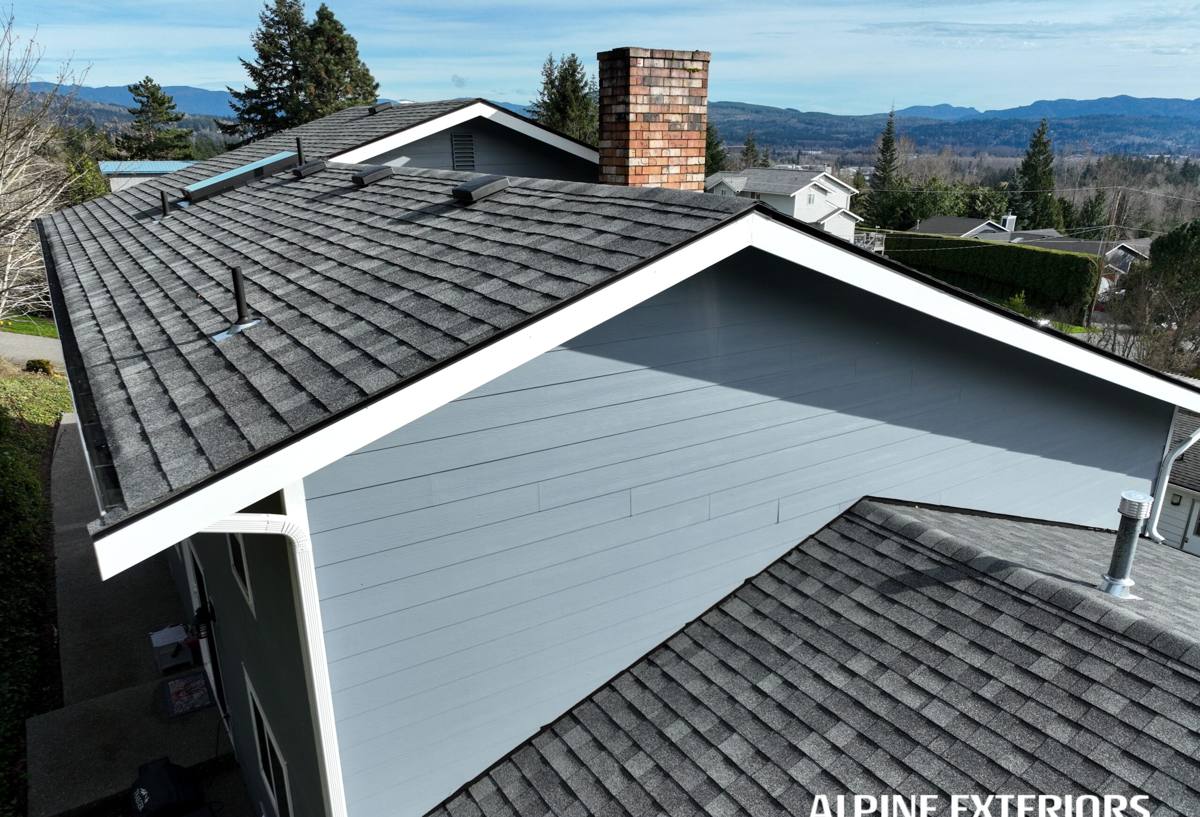
What Treasure Island's Climate Actually Does to a Roof
Salt Air and Metal Fatigue
Airborne salt accelerates corrosion on any exposed metal component — flashing, nail heads, drip edge, vent stacks, and fasteners. On a standard asphalt shingle roof, corroded fasteners lose their grip strength years before the shingles themselves wear out, which is why a roof that looks fine from the ground can still be failing at the connection points.
Year-Round UV Load
Florida sun breaks down asphalt shingle oils and causes granule loss faster than in most of the country. Once granules wear thin, the shingle underneath loses its UV shield and starts to become brittle. On a barrier island with almost no tree canopy to shade a roof, that breakdown happens faster than the manufacturer's rated lifespan often assumes.
Wind-Driven Rain and Uplift
Hurricane-force and tropical-storm-force winds don't just threaten to tear shingles off — they drive rain horizontally and force it up under shingle tabs, around vents, and along ridge lines. A roof that isn't properly sealed, nailed, and flashed at every transition point will let water in during exactly the kind of storm it's supposed to be protecting the home from.
Signs a Treasure Island Roof Needs Replacement, Not Another Repair
- Granule loss heavy enough that you can see bare or shiny patches on the shingles
- Shingles that are curling, cupping, or cracking at the edges
- Repeated leaks in different spots after storms, rather than one isolated leak
- Soft or spongy decking felt when walking the roof, a sign moisture has reached the wood
- Visible rust streaking from flashing, vent boots, or fasteners
- A roof approaching or past its expected service life, especially one that has weathered multiple storm seasons on the island
- Missing or lifted shingles after any significant wind event
A single missing shingle or a small flashing leak is often repairable. But once granule loss, brittleness, and fastener corrosion are showing up together, patch repairs stop being cost-effective and start becoming a cycle of chasing the next leak.
What a Correct Roof Replacement Involves Here
Full Tear-Off, Not Overlay
We remove the existing roofing material down to the deck rather than installing new shingles over old ones. Overlaying traps moisture, hides deck damage, and voids most manufacturer warranties. On a salt-air, high-UV coastal property, starting with a clean, inspected deck matters even more than it does inland.
Deck Inspection and Repair
Once the old roofing is off, we inspect the decking for water damage, soft spots, and delamination — problems that are invisible until the shingles come off. Any compromised sections get replaced before anything new goes down. Skipping this step is one of the most common ways a roof replacement fails early.
Underlayment Built for Wind-Driven Rain
We install a synthetic or self-adhering underlayment sized to the exposure of the property, with extra attention at valleys, eaves, and any low-slope transitions where wind-driven rain is most likely to find a way in.
Corrosion-Resistant Flashing and Fasteners
Because of the salt air, we prioritize flashing and fastener materials chosen to resist coastal corrosion, properly integrated at every roof-to-wall transition, chimney, skylight, and vent penetration — the spots where the overwhelming majority of roof leaks actually start.
Wind-Rated Installation Practices
Nailing patterns, sealant use, and starter course installation are all done to match wind-resistance requirements appropriate for a coastal Pinellas County property, not just baseline code minimums.
Ventilation That Matches the System
Proper intake and exhaust ventilation keeps attic temperatures and moisture in check, which protects the underside of the new decking and helps the shingles perform closer to their rated lifespan under constant Florida sun.
Roofing Material Options for a Barrier Island Home
| Material | Coastal Durability | Trade-Offs to Know |
|---|---|---|
| Architectural asphalt shingle | Good, with wind-rated products and proper fastening | Most economical option; UV and salt exposure still call for periodic inspection |
| Metal roofing (standing seam or coated panel) | Very good; excellent wind uplift resistance when installed correctly | Higher upfront cost; requires coastal-grade fasteners and coatings to manage corrosion |
| Tile (concrete or clay) | Good wind and UV performance | Heavier system, requires structural suitability and precise underlayment work; repairs can be more involved |
| Flat/low-slope membrane (for additions or porches) | Depends heavily on installation quality | Needs a contractor experienced with proper drainage and seam sealing in a wind-driven-rain climate |
We'll walk through which option fits your home's structure, budget, and the level of maintenance you want to take on — there isn't a single "best" material, only the right fit for a given roof and owner.
Our Roof Replacement Process, Step by Step
- On-site inspection. We assess the current roof, decking condition where visible, flashing points, ventilation, and any storm damage history.
- Written estimate. You get a clear scope of work and pricing before anything is scheduled — no surprise add-ons sprung on you mid-job.
- Material selection. We go over shingle, metal, or tile options suited to a Gulf-facing property and your budget.
- Permitting. We handle the permitting required for roof replacement work in this jurisdiction.
- Tear-off and deck inspection. Full removal of old material, with any damaged decking identified and replaced.
- Underlayment, flashing, and installation. Installed to wind-rated standards with corrosion-resistant components at every penetration.
- Final walkthrough. We review the completed roof with you and make sure ventilation, flashing, and cleanup all meet our standard before we consider the job done.
Why Hiring a Crew That Already Works Treasure Island Matters
Roofing crews that mostly work inland don't always account for how differently a Gulf-front property behaves. Fastener corrosion rates, wind exposure at open, low-canopy lots, and the way storms track across the barrier islands all change the calculus on material choice and installation detail. A crew that regularly works Treasure Island and the surrounding Seminole area already knows which flashing details tend to fail first on these homes, which ventilation setups actually perform in this heat, and how to sequence a tear-off around the area's weather patterns so your home isn't left exposed longer than necessary.
There's also a practical side: local crews can typically respond faster for follow-up service, warranty questions, or a post-storm inspection, because we're not driving in from across the county.
Maintaining a New Roof in a Coastal Environment
- Have the roof inspected after any major storm, even if no leak is visible from inside
- Keep gutters and downspouts clear so water isn't backing up under the roof edge
- Rinse off heavy salt buildup periodically, especially on metal roofing components
- Trim back any overhanging vegetation to reduce debris and moisture retention on the roof surface
- Schedule a professional inspection every year or two, even without visible problems, so small issues get caught before they become deck damage
What Affects the Cost of a Roof Replacement Here
| Factor | Why It Matters |
|---|---|
| Roof size and pitch | More square footage and steeper slopes mean more material and labor time |
| Material choice | Asphalt shingle, metal, and tile carry different material and installation costs |
| Deck condition | Water-damaged decking discovered during tear-off adds repair scope |
| Number of penetrations | Chimneys, skylights, and multiple vents each require additional flashing work |
| Wind rating requirements | Coastal wind-rated installation can involve additional fasteners and sealants |
| Access and site conditions | Tight lot layouts common on barrier island properties can affect staging and labor time |
We don't quote a roof over the phone. Every estimate we give reflects an actual on-site look at your roof's condition, size, and details, so the number you get is the number that holds up once we start work.
Ready to Talk About Your Roof?
If your Treasure Island home's roof is showing its age, took a hit in a recent storm, or you're just planning ahead before it becomes an emergency, we're happy to take a look and give you an honest read on where things stand. Fill out the form below for a free, no-pressure estimate — there's no obligation, and we'll tell you straight whether you need a full replacement or just a targeted repair.