 Seminole Siding
 Siding on a Barrier Island Is a Different Job
Belleair Beach sits on a narrow strip of land between the Gulf of Mexico and the Intracoastal Waterway, and that location changes what "good siding" actually means. A home a few miles inland in Seminole or Largo deals with Florida heat and the occasional tropical system. A home on this barrier island deals with all of that plus direct salt spray, near-constant onshore wind, and almost no tree cover to slow any of it down. Siding here isn't just a cosmetic layer — it's the first thing standing between your walls and a marine environment that works on wood, fasteners, and cheap cladding around the clock.
We install siding throughout Seminole and the surrounding Pinellas County coastline, and Belleair Beach jobs get treated differently from the start. The material choice, the fastening schedule, the flashing details, and even the caulk we use all get reconsidered for a barrier-island exposure. This page walks through what that actually looks like.
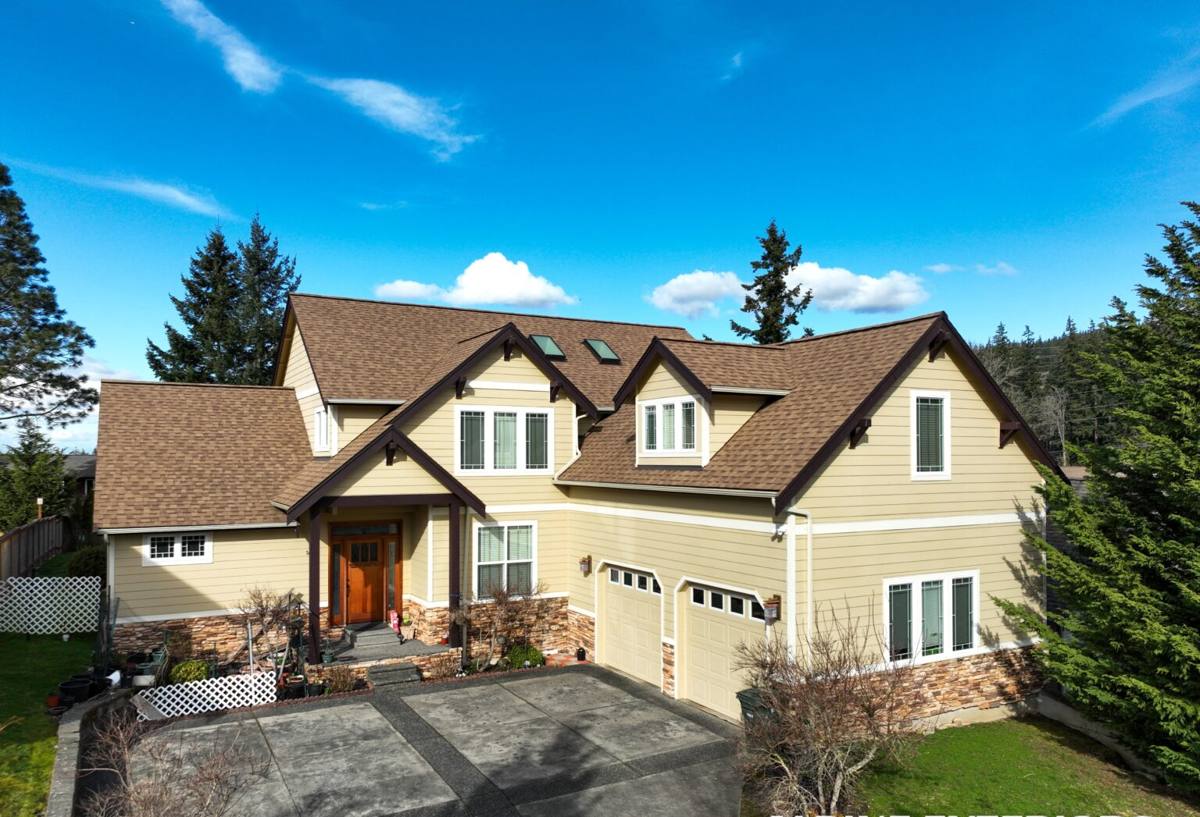
What Belleair Beach's Climate Does to Siding
Salt Air and Corrosion
Airborne salt doesn't stay near the water's edge — wind carries it across the whole island and settles it on siding, trim, fasteners, and window flashing. Over time it accelerates corrosion in anything metal and speeds up the breakdown of coatings and caulk that weren't built for a marine environment. Siding that looks fine at installation can start failing years early if the material and hardware weren't rated for salt exposure.
Wind-Driven Rain
Rain on Belleair Beach rarely falls straight down. Gulf winds push it sideways into walls, which means water is constantly testing every seam, joint, and penetration in your siding system. A siding job that isn't detailed for wind-driven rain — with the right lap spacing, flashing, and water-resistive barrier — will eventually let moisture behind the cladding, even if the surface looks watertight.
UV Exposure
Florida sun is intense everywhere, but a barrier island with open water on both sides gets extra UV exposure from reflected light off the Gulf and the Intracoastal. That accelerates fading, chalking, and surface breakdown on siding materials that aren't formulated to hold color and integrity under sustained UV.
Hurricane-Force Wind
Pinellas County's coastal areas are built to Florida's high-wind construction standards for good reason. Belleair Beach homes need siding installed with a fastening pattern and material strength that can hold up under sustained hurricane-force wind and wind-borne debris, not just look good on a calm day.
Repair or Full Replacement? How We Make That Call
Not every siding problem on a Belleair Beach home requires full replacement, but on a barrier island, damage tends to be more widespread than it looks from the ground. We check for a few specific things before recommending either path:
- Soft spots or visible swelling anywhere on the wall, which often signal moisture has already gotten behind the siding
- Fastener corrosion or staining around nail and screw heads
- Gaps, cupping, or separation at seams and butt joints, where wind-driven rain gets its first entry point
- Consistent fading or chalking across the whole elevation versus isolated wear
- The condition of the underlying sheathing and water-resistive barrier once a section is opened up
If damage is limited to one elevation and the substrate underneath is sound, a targeted repair can make sense. But on homes that have taken repeated storm seasons of salt and wind-driven rain, we often find moisture damage has spread further than the visible symptoms suggest — at that point, patching one section just delays a bigger problem, and full replacement is the honest recommendation.
What a Correct Siding Replacement Actually Involves
Siding replacement is more than swapping old panels for new ones. On a coastal home, the details underneath the siding matter as much as the siding itself. A correct job includes:
- Full tear-off and substrate inspection — removing existing siding to check the sheathing for rot, delamination, or hidden moisture damage before anything new goes up
- Repair of any compromised sheathing — replacing damaged wood before it gets sealed behind new siding
- A continuous water-resistive barrier — installed and lapped correctly so wind-driven rain has nowhere to track behind the cladding
- Proper flashing at every penetration — windows, doors, vents, hose bibs, and any wall penetration get flashed to shed water outward, not into the wall cavity
- Correct fastening for high-wind exposure — fastener type, spacing, and embedment matched to the product manufacturer's coastal and high-wind installation instructions
- Factory-finished siding installed to the manufacturer's specification — proper gapping, caulking only where specified, and painted cut edges where the factory finish is exposed
Skipping or rushing any one of these steps is usually where premature siding failure starts — not with the siding material itself, but with what happened (or didn't happen) underneath it.
Comparing Siding Materials for a Barrier Island Home
Homeowners on Belleair Beach often ask us to weigh in on siding options they've researched or been quoted elsewhere. Here's an honest comparison based on how each material actually performs in a salt-air, high-wind, high-UV environment:
| Material | Salt Air / Moisture | Wind Performance | UV / Fade Resistance | Long-Term Maintenance |
|---|---|---|---|---|
| Vinyl siding | Doesn't corrode, but seams and panels can be compromised by wind-driven rain over time | Can crack, warp, or blow off in sustained high wind | Fades and becomes brittle under intense, sustained UV | Low upfront maintenance, but limited lifespan in this climate |
| LP SmartSide / engineered wood | Wood-based core is vulnerable if moisture gets behind it or into cut edges | Rated for wind when installed correctly, but edge sealing is critical near salt air | Moderate; finish needs upkeep | Higher — edges, seams, and caulk need regular inspection |
| Cedar / primed wood | Absorbs moisture readily; salt air accelerates rot and finish breakdown | Performs adequately when properly fastened, but the wood itself is the weak point | Requires frequent refinishing to hold color and protect the wood | Highest — regular painting/staining and moisture monitoring |
| James Hardie fiber cement | Non-combustible, engineered to resist moisture damage; formulated for hot, humid, high-moisture climates | Rated for high-wind installation when installed to spec | Factory ColorPlus finish holds color far longer than field-applied paint | Low — occasional rinsing and inspection, no refinishing cycle |
Every material on this list can be installed correctly or incorrectly, and installation quality matters as much as material choice. But on a barrier island, the material's baseline tolerance for moisture, salt, and UV sets the ceiling on how long that correct installation will actually last.
Why We Only Install James Hardie Fiber Cement
We don't install LP SmartSide, vinyl, Cemplank, Allura, primed spruce, or cedar, and that's a deliberate standard, not a limitation in what we're capable of installing. Each of those products has legitimate strengths — vinyl is inexpensive and low-maintenance in mild climates, engineered wood offers a wood-grain look at a lower cost than real wood, and cedar has genuine aesthetic appeal. But on a home exposed to Gulf salt air and hurricane-force wind for decades, the trade-offs we've seen with those products — moisture sensitivity at cut edges, shorter realistic lifespans in high-UV exposure, or the ongoing maintenance burden of a wood-based product — aren't trade-offs we're willing to put our name behind.
James Hardie fiber cement is non-combustible, doesn't support rot, and is engineered in climate-specific formulations for hot, humid, coastal conditions like Pinellas County's. The factory-applied ColorPlus finish is baked on and warrantied against fading, which matters enormously on a barrier island where UV exposure is relentless. Hardie also backs its products with a strong transferable warranty, which carries real value to a future buyer if you ever sell the home. When it's installed to the manufacturer's specification — the flashing, the fastening, the gapping — it's the product we trust to actually go the distance on a Belleair Beach home.
James Hardie Product Lines We Work With
- HardiePlank lap siding — the most common choice for a traditional horizontal siding look
- HardiePanel vertical siding — often used for accent walls, gables, or a more modern look
- HardieTrim boards — matched trim for a consistent, factory-finished appearance around windows, doors, and corners
- HardieSoffit panels — for soffit areas exposed to the same coastal humidity and moisture as the walls
Our Siding Replacement Process for Belleair Beach Homeowners
Because Belleair Beach is a barrier island with limited access points and tighter lot sizes than you'll find further inland, logistics matter as much as installation quality. Our process is built around that reality:
- On-site inspection — we walk the full exterior, check for existing moisture damage, and assess wind exposure by elevation before quoting anything
- Written scope and product selection — you'll know exactly which Hardie product, profile, and color is going on the house before work starts
- Material staging and site protection — landscaping, windows, and outdoor living spaces get protected before tear-off begins
- Tear-off and substrate repair — old siding comes off, and any compromised sheathing gets addressed and documented
- Weather barrier and flashing installation — the moisture management layer goes in correctly before a single piece of new siding is hung
- Hardie installation to manufacturer spec — fastening, gapping, and sealing done to the coastal installation guidelines, not shortcuts
- Final walkthrough — we go over the finished job with you before calling it complete
Cost Factors for Siding Replacement in Belleair Beach
Every home is different, so we don't quote pricing sight unseen — but these are the factors that most influence the cost of a siding replacement on a barrier island home:
| Factor | Why It Affects Cost |
|---|---|
| Extent of substrate damage | Hidden rot or moisture damage found during tear-off adds repair scope beyond the siding itself |
| Home size and wall complexity | More corners, gables, and penetrations mean more flashing, trim work, and labor time |
| Siding profile and accessories | Lap width, trim details, and accent panels affect material and labor cost |
| Access and site conditions | Tighter lots and limited staging space on the island can affect labor efficiency |
| Existing paint or finish removal | If old finishes need full removal before new siding goes up, that adds prep time |
Because pricing swings so much based on what we find once a wall is opened up, the only reliable way to get an accurate number is a real on-site look at your home.
Caring for Your New Siding After Installation
James Hardie siding is low-maintenance compared to wood or vinyl, but "low-maintenance" doesn't mean "no maintenance," especially in a salt-air environment. A simple annual routine keeps it performing the way it's designed to:
- Rinse the exterior with a garden hose a few times a year to remove salt residue, especially on Gulf-facing walls
- Inspect caulking around windows, doors, and trim annually and have any cracked or missing caulk replaced promptly
- Check for any signs of fastener staining or corrosion after major storm seasons
- Keep irrigation heads and sprinklers from spraying directly and repeatedly onto siding
- Trim back landscaping that holds moisture against the siding surface
Why Local Experience on Belleair Beach Matters
A siding crew that mostly works inland jobs doesn't have daily reps with the specific conditions a barrier island throws at a building — the salt load, the wind exposure on a Gulf-facing wall versus an Intracoastal-facing one, the way storm systems track through this part of Pinellas County. We work Belleair Beach regularly alongside our broader Seminole-area service area, which means the fastening schedules, flashing details, and material choices we bring to your home aren't generic — they're shaped by what we've actually seen hold up, and what we've seen fail, on homes exactly like yours in this exact environment.
If your Belleair Beach home needs siding repair or full replacement, we're happy to take a look and give you an honest read on where things stand. Reach out for a free, no-pressure estimate — there's a simple form below to get started.