 Seminole Siding
 Siding That Has to Work Harder in Belleair Bluffs
Belleair Bluffs sits in one of the more exposed pockets of Pinellas County, close enough to the Intracoastal Waterway and the Gulf that salt-laden air is a fact of life for every exterior surface on a house. Add in Florida's intense, near year-round UV load, wind-driven rain during summer storms, and the real possibility of hurricane-force winds during the season, and you have a climate that is genuinely tough on siding. Homes here don't fail because owners neglected them — they fail because the wrong material was asked to do a job it was never built for.
We install fiber cement siding for homeowners throughout this neighborhood because it is one of the few exterior products engineered to hold up under all four of those stressors at once: salt exposure, UV, moisture, and wind. This page focuses specifically on what a fiber cement job for a Belleair Bluffs home should look like — not a generic overview, but what actually matters for houses in this exact location.
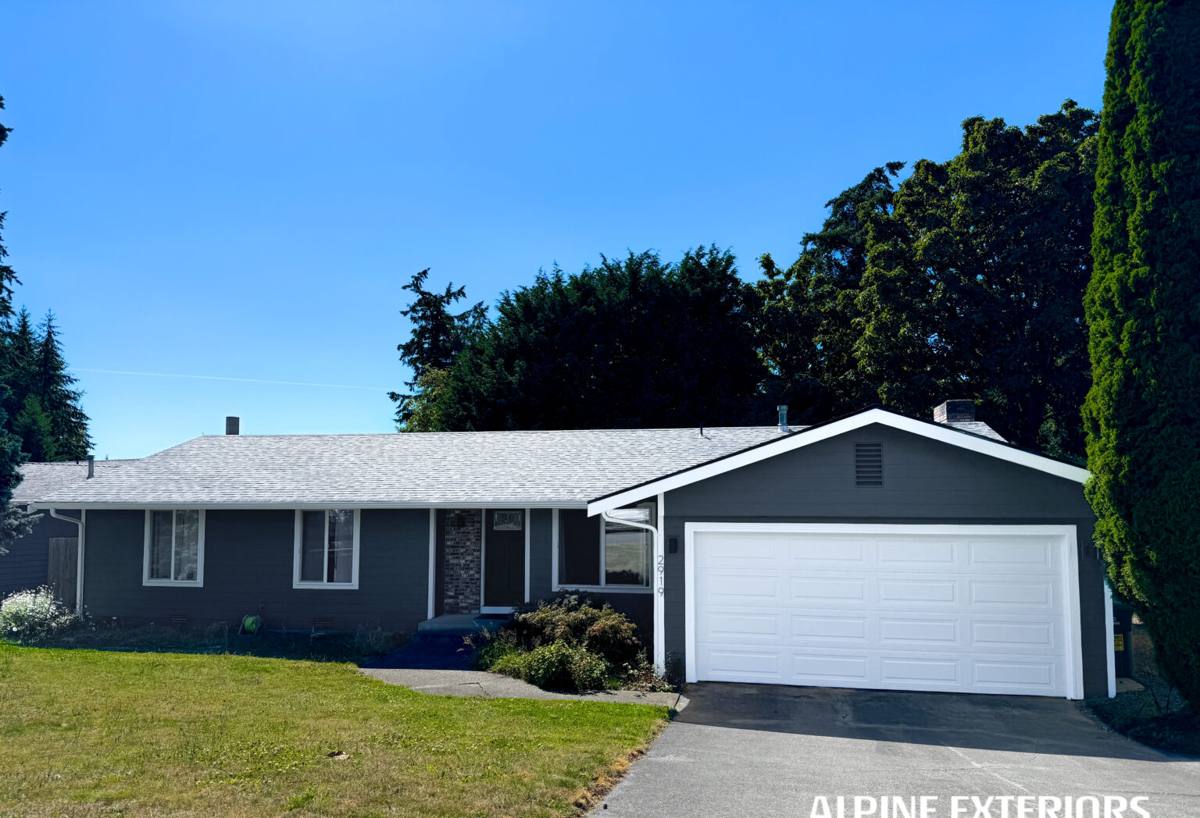
What Belleair Bluffs' Climate Actually Does to Siding
Salt Air and Corrosion
Proximity to open water means airborne salt settles on exterior surfaces continuously, not just during storms. Salt is corrosive to metal fasteners and trim, and it accelerates the breakdown of coatings and caulks that aren't formulated to resist it. Siding materials and finishes that aren't rated for coastal exposure tend to chalk, fade, or degrade faster here than the same product would inland.
UV and Heat
Pinellas County gets an enormous amount of direct sun exposure across the year. Painted wood and many composite products lose their finish integrity under that kind of sustained UV load, leading to fading, cracking, and more frequent repainting. A factory-cured finish that's engineered for UV resistance holds its color and integrity far longer than field-applied paint.
Wind-Driven Rain and Moisture
Summer storms in this part of Florida don't just bring rain straight down — wind pushes water sideways into wall assemblies, seams, and any gap in flashing or caulking. Materials that absorb or swell with moisture are especially vulnerable to this kind of intrusion, which can lead to hidden rot behind the siding long before anything looks wrong on the surface.
Hurricane Wind Loads
Belleair Bluffs falls within Pinellas County's high-velocity wind zone requirements. Siding here has to be installed to a fastening schedule and product wind rating that can handle sustained hurricane-force gusts, not just standard residential wind exposure. This is as much about installation method as it is about the product itself.
Why We Install Only James Hardie Fiber Cement
We standardized on James Hardie fiber cement siding for every home we side, including here in Belleair Bluffs, because it's engineered specifically to answer the four stressors above:
- Non-combustible material — fiber cement doesn't burn, rot, or attract termites, which matters in a humid coastal climate where wood-based products are under constant pressure.
- ColorPlus factory finish — a baked-on finish applied and cured under controlled conditions, which resists UV fading and chalking far better than field-applied paint on wood or composite siding.
- HZ5 climate-engineered formulation — Hardie's HZ5 product line is specifically formulated for humid, high-moisture climates like Florida's Gulf Coast, with moisture and swelling resistance that generic fiber cement or wood alternatives don't match.
- Strong transferable warranty — when installed to manufacturer spec, Hardie backs the product and finish with a warranty that can transfer to a future homeowner, which matters for resale in a market like this one.
We don't install vinyl, LP SmartSide, Cemplank, Allura, or primed wood siding. That's a deliberate standard, not a sales pitch — we've made the call that the long-term maintenance burden, moisture behavior, or installation sensitivity of those products isn't what we want to put our name behind on a coastal Florida home. Hardie, installed correctly, is what we believe holds up.
What Correct Fiber Cement Installation Actually Involves
Fiber cement siding is only as good as its installation. The product can be excellent and still fail prematurely if the details are rushed. On every Belleair Bluffs project, our crew follows the same non-negotiables:
- Proper starter strip and clearance from grade, decks, and roof lines so water has nowhere to pool against the bottom edge
- Correct fastener type, spacing, and penetration depth — under-driven or over-driven nails are one of the most common causes of early siding failure
- Flashing at every window, door, and penetration, integrated with the home's weather-resistive barrier, not just caulked over
- Manufacturer-specified gaps and sealant at butt joints and trim, since fiber cement expands and contracts with temperature and needs room to move
- Field-cut edges primed or sealed before installation, since raw cut edges are more vulnerable to moisture intake
- Corrosion-resistant fasteners and trim hardware appropriate for a coastal salt environment
Skipping any one of these doesn't usually show up as a problem in year one. It shows up in year five or six, as staining, soft spots, or paint failure at the joints — usually right around when a homeowner is otherwise happy with how the house looks.
Our Process for a Belleair Bluffs Home
1. On-Site Assessment
We walk the exterior and check for existing moisture damage, especially around window and door openings, roof-to-wall intersections, and lower wall sections closest to grade — the areas most exposed to wind-driven rain and splash-back.
2. Substrate and Moisture Check
Before new siding goes up, we confirm the sheathing underneath is sound. Installing fiber cement over compromised sheathing just traps the problem behind a new surface.
3. Wind Zone and Code Compliance
We confirm fastening schedules and product specifications meet Pinellas County's wind zone requirements for the home's exposure category, and we handle permitting so the work is documented and inspected properly.
4. Installation
Our crew installs to Hardie's published specifications — not a generalized "fiber cement" approach, but the fastening, flashing, and clearance details specific to the HardiePlank, HardieShingle, or HardiePanel product selected for the home.
5. Final Walkthrough
We review the completed job with the homeowner, including caulking lines, trim details, and any touch-up needs, before considering the project finished.
Comparing Siding Options for a Coastal Pinellas County Home
| Factor | James Hardie Fiber Cement | Vinyl | Wood / Primed Spruce |
|---|---|---|---|
| Salt air resistance | Strong — non-corrosive material, factory-cured finish | Moderate — can become brittle and discolored over time | Weak — finish breaks down faster near salt air |
| UV / fade resistance | Strong with ColorPlus factory finish | Moderate — colors fade, especially darker tones | Weak — requires frequent repainting |
| Wind-driven rain / moisture | Strong when installed to spec — HZ5 formulated for humid climates | Moderate — seams and panels can allow water intrusion | Weak — prone to swelling and rot |
| Hurricane wind rating | High, engineered for wind zone compliance | Lower impact resistance; can crack or blow off | Depends heavily on installation quality |
| Combustibility | Non-combustible | Combustible | Combustible |
| Typical maintenance | Occasional cleaning, minimal repainting | Low, but limited repair options when damaged | Regular repainting and moisture inspection |
Lifespan and Maintenance Expectations
Properly installed James Hardie siding is built for decades of service, but "properly installed" is doing a lot of work in that sentence. In a coastal environment like Belleair Bluffs, ongoing maintenance is still part of the equation:
- Rinse the exterior periodically to remove salt residue and airborne grime buildup
- Inspect caulking at trim and joints annually, since sealant is the first line of defense against wind-driven rain
- Watch for any staining or discoloration near ground level or under windows, which can signal a flashing or clearance issue
- Repaint on Hardie's recommended schedule if the home wasn't finished with ColorPlus, since field-applied paint doesn't hold up as long under Florida sun
Why It Matters Who You Hire in This Neighborhood
A siding crew that regularly works Belleair Bluffs and the surrounding Pinellas County coastline already understands the wind zone requirements, the moisture patterns specific to homes near the Intracoastal, and the salt exposure that inland contractors sometimes underestimate. That familiarity shows up in the details — flashing choices, fastener selection, clearance decisions — that don't get noticed until they either hold up or don't.
Before hiring anyone for a fiber cement project in this area, it's worth checking:
- Are they a certified or experienced James Hardie installer, not just someone who has installed it a few times?
- Will they pull the proper permits and account for Pinellas County's wind zone requirements?
- Do they inspect the substrate before installing, rather than covering over existing damage?
- Can they explain their fastening and flashing approach specifically, not just say "we follow the instructions"?
- Do they stand behind both the product warranty and their own workmanship?
If a contractor can't answer those clearly, that's worth paying attention to before signing anything.
Get a Straight Answer About Your Home
Every home in Belleair Bluffs carries a slightly different exposure profile depending on its distance from the water, its orientation, and its age. We're happy to take a look, walk you through what we see, and give you an honest read on what your siding needs — no pressure, no obligation. Use the form below to request a free estimate.