 Seminole Siding
 Windows in Belleair Bluffs Work Harder Than Windows Almost Anywhere Else
Belleair Bluffs sits close to the Intracoastal Waterway in Pinellas County, which means its homes deal with a combination of weather stresses that inland Florida properties simply don't face. Salt-laden air moves through the neighborhood daily, hurricane-force winds and wind-driven rain are a real seasonal threat, and the sun here is intense and constant, twelve months a year. Any one of those factors will shorten the life of a poorly built or poorly installed window. Together, they do it fast.
We install and replace windows for homeowners throughout the Seminole and greater Pinellas County area, including Belleair Bluffs, and we see the same failure patterns over and over: seals that give out years ahead of schedule, aluminum frames pitted and corroded from salt exposure, glazing that's gone cloudy from UV breakdown, and — worst case — windows that weren't rated to handle wind pressure and failed during a storm. None of that is inevitable. It's almost always a product or installation mismatch for the environment, not bad luck.
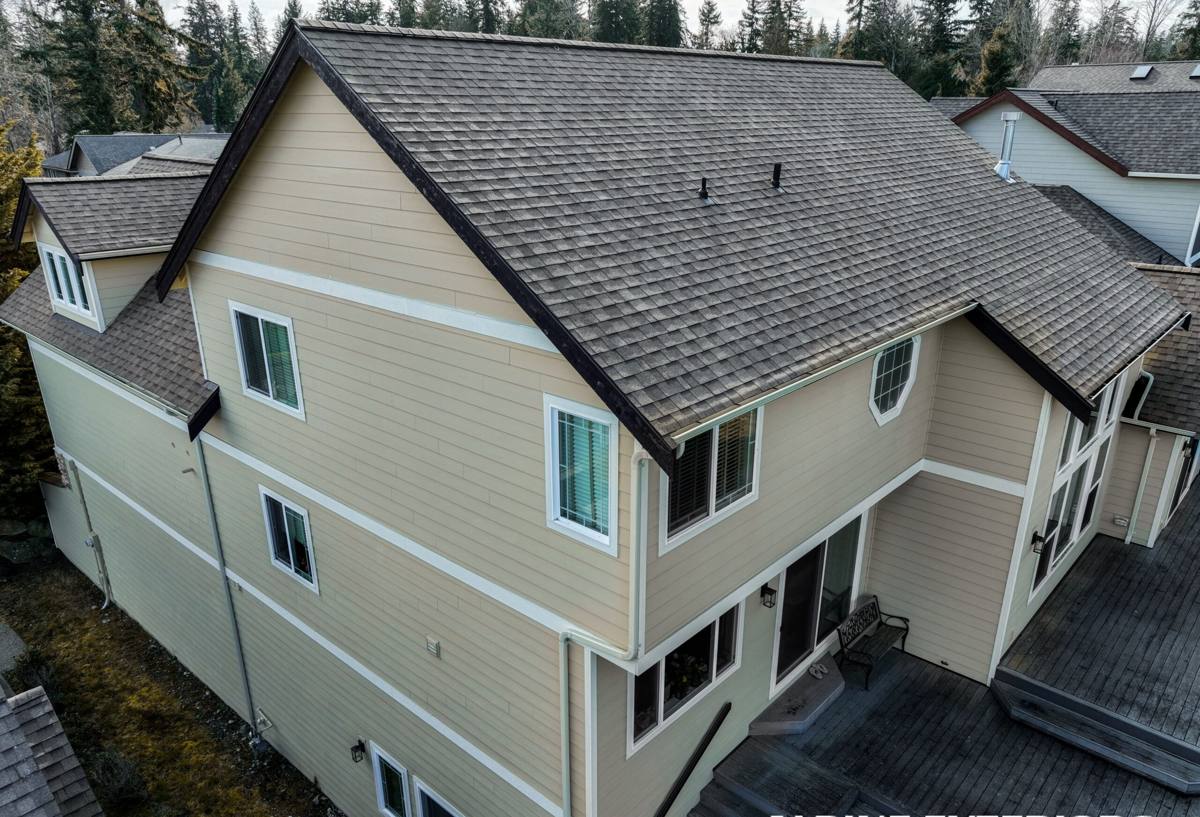
What Belleair Bluffs Homes Actually Need From a Window
A window replacement here isn't just about picking a style you like. The product and the installation both need to account for three things specific to this part of the Gulf Coast:
- Wind resistance. Windows need to hold up against sustained high wind and sudden pressure changes without flexing, leaking, or failing at the seal.
- Impact resistance or a compliant protection plan. Coastal Pinellas County falls within Florida's wind-borne debris region, which affects what code requires for window protection — either impact-rated glass or an approved shutter system.
- Corrosion and UV resistance. Salt air accelerates corrosion in hardware and frames, and constant sun degrades seals, vinyl, and low-quality glazing coatings over time.
Skip any one of these and you end up replacing windows again well before you should — or worse, dealing with water intrusion or a failed window during a storm.
Impact-Rated vs. Standard Windows: What the Difference Actually Means
Homeowners often ask whether they really need impact-rated glass, or whether a standard window plus shutters is good enough. Both are legitimate approaches depending on your home, your budget, and your local code requirements, but they behave very differently day to day.
| Factor | Impact-Rated Windows | Standard Windows + Shutters |
|---|---|---|
| Storm prep effort | None — always in place | Shutters must be installed/removed each time |
| Everyday security | Laminated glass resists forced entry | Standard glass only |
| Noise reduction | Noticeably quieter, especially near busy roads or water | Typical for standard glass |
| Upfront cost | Higher per window | Lower window cost, added shutter cost |
| UV/fade protection | Laminated interlayer blocks significant UV | Depends on glass coating |
| Insurance considerations | May qualify for wind-mitigation credits | Shutters may also qualify, if properly rated |
We'll walk you through both options honestly, including what your specific home and its exposure actually call for. There's no single right answer for every house on the Bluffs — a home closer to open water usually benefits more from full impact glass, while a more sheltered lot has more flexibility.
Signs a Belleair Bluffs Home Needs Window Replacement
Windows rarely fail all at once. The warning signs show up gradually, and in this climate they tend to show up earlier than homeowners expect:
- Foggy or cloudy glass between the panes — the seal has failed and the insulating gas is gone
- Frames that feel soft, chalky, or pitted, especially aluminum frames near the coast
- Windows that are difficult to open, close, or lock — frames can warp from heat and humidity cycling
- Visible daylight or a draft around the frame when the window is closed
- Water staining on the interior wall or sill after heavy rain
- A noticeable jump in cooling costs without another clear cause
- Windows that pre-date current wind-borne debris code requirements
Any one of these on its own might just mean a repair. Several at once, or a whole-house pattern of aging windows, usually means replacement is the more cost-effective move.
How We Approach a Window Replacement Job
Assessment First
We start by looking at the whole house, not just the windows themselves — exposure to prevailing wind and salt air, existing frame condition, how the openings were originally flashed, and any signs of past water intrusion. This tells us what actually needs to happen at each opening, not just what product to sell.
Proper Removal and Opening Prep
A lot of window failures trace back to what happened — or didn't happen — at the opening, not the window itself. We remove old units carefully, check the framing and sill for hidden rot or water damage, and correct anything we find before a new window ever goes in. Skipping this step is one of the most common shortcuts in this trade, and it's the one most likely to cause problems years later.
Flashing and Sealing Done Right
Proper flashing integration and a continuous, weather-rated sealant bead are what actually keep wind-driven rain out — not just the window unit itself. This detail matters more in Belleair Bluffs than in most places, because wind-driven rain here isn't a rare event.
Fastening to Wind Load Requirements
Every window is fastened according to its tested and rated installation instructions for the applicable wind load — not a generic pattern. This is also where permitting and inspection come in for most replacement jobs in Pinellas County.
Final Check and Cleanup
We test operation, check the seal, and walk the job with you before we consider it finished.
Frame Materials and Glass: What Actually Holds Up Here
Frame Materials
Vinyl and fiberglass frames generally outperform aluminum in this environment because they don't corrode from salt exposure and they handle expansion and contraction from heat better over the long term. Aluminum can still be a good choice in certain applications, but it needs a coastal-grade finish and more attention to hardware corrosion resistance. We'll tell you plainly which frame material fits your home and budget rather than pushing one option across the board.
Glass Packages
Impact-rated laminated glass is the standard we recommend for most Belleair Bluffs homes, particularly anything within closer range of open water. Low-E coatings help significantly with the year-round UV and heat load, cutting down on both fading of interior furnishings and cooling costs. Tinted or reflective options are available where glare off nearby water is a concern.
Hardware
Look for stainless steel or coated hardware rated for coastal use. Standard hardware finishes corrode noticeably faster this close to the water, and a failed lock or crank mechanism is one of the more common "small" complaints we hear from homeowners a few years after a lower-grade install.
Permits, Code, and What That Means for Your Project
Window replacement in Pinellas County typically requires a permit, and inspections confirm the installation meets current Florida Building Code requirements, including wind-borne debris protection standards that apply to coastal areas like Belleair Bluffs. We handle the permitting process as part of the job rather than leaving it to the homeowner, and we don't cut corners on inspection — a permitted, inspected installation is also what protects you if you ever need to make an insurance claim or sell the home.
If you're told a window job doesn't need a permit, or is being fast-tracked without inspection, that's worth asking hard questions about before you sign anything.
What to Ask Before You Hire Anyone for This Job
- Are you licensed and insured to do window replacement work in Pinellas County?
- Will this project be permitted and inspected, and who handles that paperwork?
- What wind and impact rating does this specific window carry, and does it meet code for my home's location?
- What's included in the installation — flashing, sealant type, fastening method — not just the window unit?
- What's the manufacturer's warranty, and what's your workmanship warranty, separately?
- Can you explain, in plain terms, why you're recommending this frame material and glass package for my house specifically?
A contractor who answers these clearly and specifically, without hedging, is a good sign. Vague answers on rating, permitting, or warranty terms are worth treating as a red flag.
Why Local Experience in Belleair Bluffs Matters
Window replacement done right depends on understanding the specific conditions a home faces — its exposure to wind and salt, how it's oriented to the sun, and what local code actually requires. A crew that regularly works in and around Belleair Bluffs and the broader Seminole area already knows these conditions instead of learning them on your job. That familiarity shows up in the small decisions: which frame material to steer you toward, how much attention a given opening's flashing needs, and what glass package actually makes sense for your home's exposure rather than a one-size-fits-all recommendation.
It also matters for the paperwork side — permitting and inspection processes are handled the same way, consistently, because it's routine rather than occasional.
Ready to Talk About Your Windows?
If your Belleair Bluffs home has windows that are foggy, drafty, hard to operate, or simply older than the current code standards, we're happy to take a look and give you an honest read on what makes sense — repair, partial replacement, or a full whole-house upgrade. There's no pressure and no obligation. Fill out the form below to request a free estimate, and we'll walk you through your options in plain language.