 Seminole Siding
 Windows in Belleair Take a Different Kind of Beating
Belleair sits close enough to the water that its homes deal with a combination most inland Florida properties never see: salt-laden air, wind-driven rain that finds every gap in a bad seal, intense year-round UV that breaks down weak seals and vinyl faster than people expect, and the real possibility of hurricane-force wind loading a window frame has to survive without failing. A window that's a fine fit for a house forty miles inland can be the wrong call three blocks from Boca Ciega Bay or the Intracoastal.
We install windows across the greater Seminole area of Pinellas County, and Belleair is part of that regular service territory. That matters more than it sounds like it should, because window installation is one of those jobs where the product on the label matters less than how well it was set, flashed, and sealed into a specific wall assembly. Get that part wrong and even a good window will leak, rack, or fail early — regardless of what it cost.
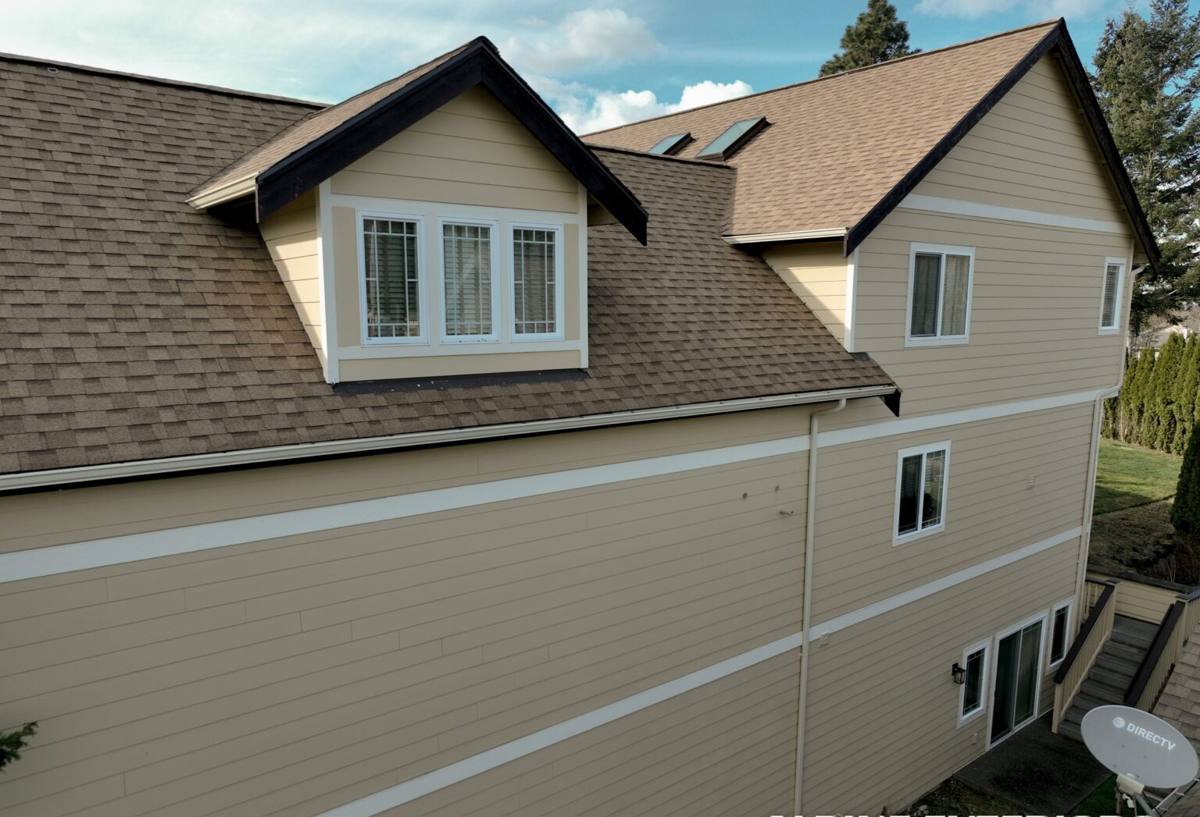
What "Correct" Window Installation Actually Involves
A window installation isn't just removing an old unit and screwing a new one into the opening. Done right, it's a sequence of steps where skipping or rushing any one of them creates a weak point that shows up later as a leak, a draft, or — in a storm — a structural failure point in the wall.
The parts that actually determine whether a window holds up
- Opening prep: checking the rough opening is square, sound, and free of rot or moisture damage before anything new goes in
- Flashing: water management details at the sill and head that direct any water that gets past the window back out, not into the wall cavity
- Fastening schedule: the number, spacing, and type of fasteners the window and the wind rating actually require — not just "enough to hold it in place"
- Sealant and backer rod: continuous, gap-free sealing at the exterior joint, using sealant rated for sun and salt exposure
- Shimming and leveling: the window operates smoothly and closes fully for years, not just on install day
- Interior finish tie-in: trim and interior sealing that keep conditioned air in and humidity out
Any one of these done poorly can undermine an otherwise good window. This is why we treat installation as the primary skill we're selling, not an afterthought to the product.
Signs a Belleair Home's Windows Need Attention
Older windows in coastal Pinellas homes tend to show wear in a fairly predictable order. Knowing what to watch for can save a homeowner from discovering a problem during a storm instead of before one.
Common warning signs
- Visible daylight or a draft around the frame when the window is closed
- Difficulty opening, closing, or locking — often a sign the frame has racked out of square
- Fogging or condensation between panes on double-glazed units, meaning the seal has failed
- Soft or discolored wall or trim material near the window, indicating past or ongoing water intrusion
- Chalky, pitted, or corroded aluminum hardware — accelerated near the water by salt air
- Noticeably higher cooling bills without another clear cause
None of these mean a homeowner needs to replace every window in the house at once. Sometimes it's one or two problem units; sometimes it's a whole-house issue tied to how the original installation was done decades ago.
Impact-Rated vs. Standard Windows: What the Difference Actually Buys You
This is the question we get most from Belleair homeowners, and it's a real trade-off, not a simple upgrade decision. Both approaches can be code-compliant depending on the home's wind zone and design pressure requirements — the right answer depends on the specific property.
| Factor | Impact-Rated Windows | Standard Windows + Shutters |
|---|---|---|
| Storm protection | Built into the window itself; no action needed before a storm | Requires shutters to be installed/closed every time |
| Upfront cost | Higher per window | Lower per window, but add shutter cost |
| Daily convenience | Normal window use, no extra steps | Shutters can block light and views when deployed |
| Maintenance | Minimal; glass and frame are the durable parts | Shutters need their own upkeep and hardware checks |
| Insurance considerations | Often eligible for wind mitigation credits | May qualify depending on shutter type and documentation |
| Noise and UV reduction | Laminated glass typically reduces both noticeably | Depends entirely on the base window's glass package |
We'll walk through this trade-off honestly during an estimate rather than defaulting to the higher-margin option. For some Belleair homes, especially those with existing shutter systems in good condition, standard windows paired with proper shutter protection is a perfectly sound, code-compliant approach.
Frame Materials and Glass: What Holds Up Near the Water
Frame material
Vinyl and fiberglass frames generally resist salt-air corrosion better than uncoated aluminum, which can pit and chalk over time this close to the coast. Quality vinyl frames also don't require repainting. The trade-off is that frame color and finish options are more limited than with aluminum, and very large openings sometimes call for the added rigidity aluminum or reinforced vinyl can provide.
Glass package
Low-E coatings cut down on the UV load and heat gain that Florida sun puts on a home year-round, which shows up as a real difference in cooling costs. Laminated glass — the type used in impact-rated windows — adds a plastic interlayer that holds the glass together under impact instead of it shattering out of the frame. It also does a better job blocking UV and noise than standard tempered or annealed glass.
Why we're selective about what we install
We don't install every product on the market, and that's a deliberate standard, not a limitation. Some window systems are more sensitive to installation technique than others, have warranty structures that put more burden on the homeowner than we think is fair, or have long-term moisture or maintenance behavior we're not comfortable standing behind in a coastal environment. We'd rather install fewer product lines well than offer everything and guess right most of the time.
Permitting and Code in Pinellas County
Window replacement in Pinellas County typically requires a permit, and the window itself has to meet the wind-borne debris and design pressure requirements that apply to the specific property based on its location and exposure. This isn't paperwork for its own sake — it's the mechanism that confirms the window installed can actually take the wind load the site sees.
We pull the required permits and coordinate inspections as part of the job rather than leaving that step to the homeowner. Skipping permitting on window work is a common shortcut some contractors take to save time, and it's one that can come back on the homeowner later — during a sale, an insurance claim, or a future inspection.
Our Installation Process
- On-site assessment: we look at each opening individually — framing condition, current flashing, and any moisture history — not just measure for a box order
- Product and glass discussion: honest walk-through of frame material, glass package, and impact-rated vs. standard options for the home's specific situation
- Permitting: we handle the permit application and required documentation before work starts
- Removal and opening prep: old units come out, the opening is inspected and repaired if there's rot or damage underneath
- Installation: proper flashing, fastening to the required schedule, shimming, and sealing with coastal-grade sealant
- Interior and exterior finish: trim work and final sealing completed to match the home
- Final walkthrough and inspection: we confirm operation, sightlines, and seal quality, and coordinate the permit close-out inspection
Why a Crew That Already Works Belleair Matters
A contractor who works this part of Pinellas County regularly already knows the kinds of framing and construction common in Belleair-area homes, has a working relationship with the local permitting process, and has seen firsthand how different products and installation details hold up a few years out from the coast — not just on install day. That's a different starting point than a crew driving in from outside the area for a one-off job.
It also means faster response if something needs a warranty check or adjustment down the line. We're not disappearing after the invoice clears — we're still working in this area next year and the year after that, and we'd like the work to hold up when we come back to check on it.
What to Ask Before Hiring Anyone for Window Work
- Are you licensed to do this work in Florida, and can you provide your license number?
- Will you be pulling the permit, or is that left to me?
- What's the fastening and flashing method you use, and why?
- What wind rating does this window carry, and is that appropriate for my specific property?
- What does the warranty actually cover — the product, the labor, or both — and for how long?
- Can I see the manufacturer's installation instructions you're following for this product?
A contractor who can answer these plainly, without hedging, is usually one worth hiring. One who gets vague or impatient with the questions is worth a second look before signing anything.
Get a Straight Answer for Your Home
Every Belleair-area home is a little different — orientation to the water, age of construction, existing framing condition, and what the homeowner actually needs from the windows all factor in. We'd rather look at the specific openings and give an honest recommendation than quote a number over the phone. If you'd like a free, no-pressure estimate on window installation for your home, the form below gets you a real answer from a crew that already works this area.