 Seminole Siding
 Building a Deck That Actually Holds Up in Clearwater
A deck in Clearwater does a lot more work than a deck in most of the country. It's not just a place to put a grill and a couple of chairs — it's an outdoor structure that has to survive salt-laden air off the Gulf, sun exposure nearly every day of the year, sideways rain during summer storms, and the occasional hurricane-force wind event. We build custom decks for homeowners in and around Clearwater and Seminole who want something that looks good the day it's finished and still looks good five and ten years later, not a project that needs to be half-replaced after two Florida summers.
This page is specifically about custom deck construction and replacement for homes in the Clearwater area of Pinellas County. If you're comparing materials, trying to understand why a deck failed early, or just want to know what a correctly built coastal deck actually involves, this is written for you.
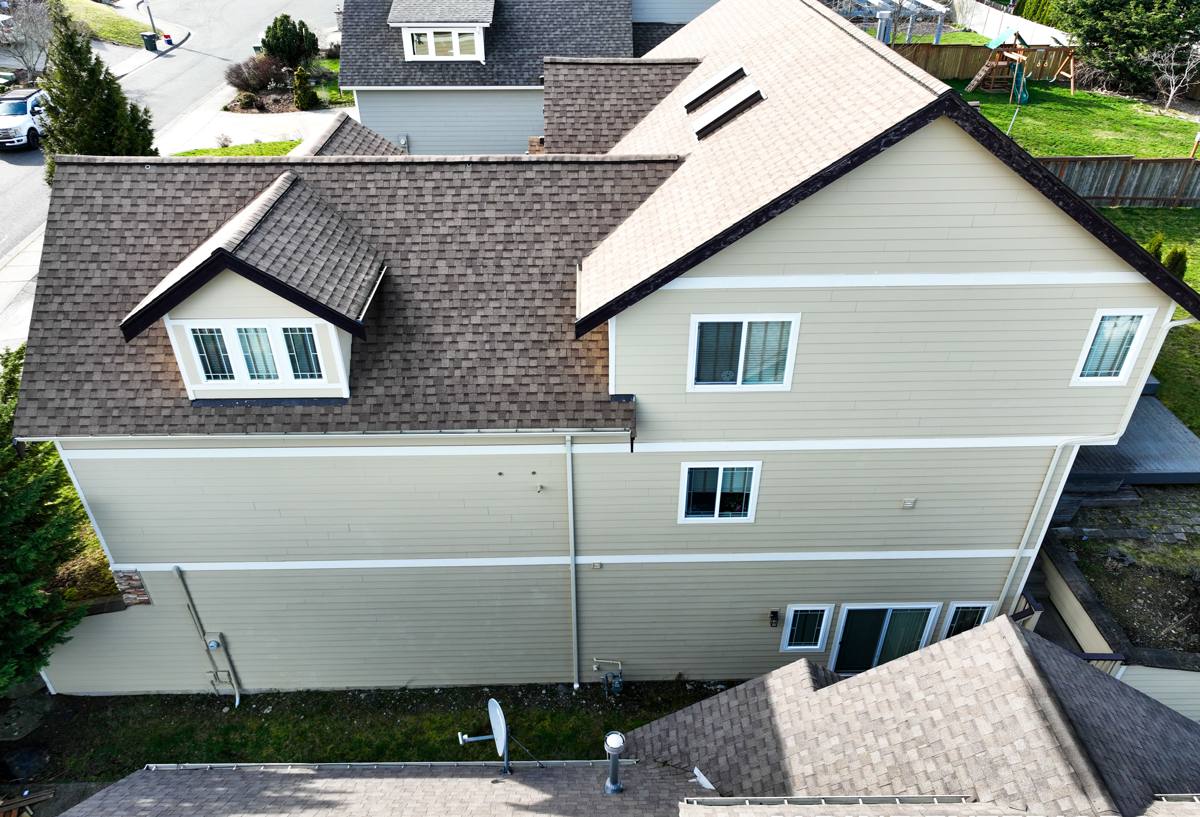
What Clearwater's Climate Does to an Outdoor Deck
Every material and fastener decision on a local deck traces back to four environmental stressors that are simply more aggressive here than inland.
Intense, Year-Round UV
Florida sun doesn't take a season off. Decking surfaces, railings, and any exposed wood take direct UV exposure most days of the year. Cheaper composite boards and unstabilized woods fade, chalk, or go brittle faster here than the same product would in a northern climate. Color retention and UV inhibitors in the material matter more in Clearwater than almost anywhere else in the country.
Wind-Driven Rain
Storms here rarely fall straight down. Wind pushes rain sideways and underneath structures, which means ledger boards, joist tops, and any horizontal wood-to-wood connection are far more exposed to moisture intrusion than the same joints would be in a calm-rain climate. Water that gets trapped and can't escape is the single biggest cause of early deck rot on the Gulf Coast.
Salt Air
Clearwater sits close enough to the coast that airborne salt accelerates corrosion on anything metal — fasteners, brackets, hurricane clips, railing hardware. A fastener rated for a general hardware store shelf in Ohio is often not rated for this environment. Corroding fasteners are one of the most common reasons a deck that "looked fine" develops a structural problem within a few years.
Hurricane-Force Wind Loads
Pinellas County sits in a high-wind design zone. A deck attached to a house is a lever — in a strong wind event, an under-built ledger connection or undersized footing can fail well before the decking boards themselves show any wear. Framing has to be engineered for uplift and lateral load, not just for the weight of furniture and people standing on it.
Choosing the Right Decking Material
There's no single "best" decking material — there's a best material for your budget, your maintenance appetite, and how close your home sits to the water. Here's how the common options actually compare in a coastal Pinellas County setting.
| Material | Upfront Cost | Maintenance | Coastal / UV Performance |
|---|---|---|---|
| Pressure-Treated Wood | Lowest | Annual sealing/staining recommended | Prone to graying, splintering, and fastener corrosion staining if hardware isn't matched to the wood |
| Composite Decking | Mid to upper-mid | Occasional washing, no sealing/staining | Good UV and moisture resistance with a quality cap-stock; lower-grade composite can fade or swell at cut edges |
| PVC / Capped Polymer | Highest | Lowest — washing only | Best resistance to moisture, salt exposure, and color fade; won't rot or absorb water |
We'll walk you through this trade-off honestly rather than push whatever has the best margin. A lot of Clearwater homeowners land on composite or PVC because the low-maintenance case is strong here — you're not fighting UV fade and humidity-driven warping every year — but a well-built pressure-treated deck, properly fastened and sealed on a maintenance schedule, is still a legitimate and more affordable option for the right budget and use case.
Framing and Fasteners: Where Coastal Decks Actually Fail
Almost every early deck failure we get called out to inspect in this area traces back to the framing or hardware, not the decking boards on top. This is the part of the job that doesn't show in a walk-through but determines whether the structure is still solid in ten years.
Ledger Board Attachment
The ledger board — where the deck bolts into the house — is the single highest-risk connection on any attached deck. It needs proper flashing to shed wind-driven rain away from the house rim joist, correct lag or through-bolt spacing sized to the wind and load requirements, and a moisture barrier between the ledger and the house sheathing. Skipping or shortcutting ledger flashing is the most common cause of hidden rot we find behind older decks in humid coastal climates.
Fasteners and Hardware
We use fasteners and structural connectors rated for coastal, high-corrosion exposure — not standard interior-grade hardware. In salt air, the wrong fastener can start showing rust streaks and losing holding strength years before the wood or decking around it would otherwise need attention.
Footings and Wind Uplift
Post footings need to be sized and set to local frost-free, wind-zone requirements, with post bases and hurricane tie-down hardware that resist both uplift and lateral movement. This is engineering, not guesswork, and it's the part of the job a permit and inspection process exists to verify.
Joist Protection
Joist tape or an equivalent moisture barrier over the top of each joist keeps water from sitting in the deck screw holes and wicking into the wood over time — a small step that meaningfully extends the framing's life in a climate that gets this much rain.
Permits and Local Code Compliance
Deck construction in Clearwater and unincorporated Pinellas County generally requires a building permit, and inspections along the way — footing/post inspection before decking goes on, and a final inspection at completion. Requirements vary depending on deck height, attachment method, and whether the structure is within a flood zone, so the specifics get confirmed against your property, not assumed. Skipping the permit process might save time up front, but it creates real problems later: unpermitted structures can complicate a home sale, insurance claims, and future renovations. We handle the permit application and inspection scheduling as part of the job.
Our Process
The process is straightforward, and we keep you informed at each step rather than disappearing until the job is "done."
- On-site assessment — we look at your existing structure (if replacing a deck), the attachment point to the house, drainage, and any site-specific wind or flood zone factors.
- Design and material selection — we walk through decking material, railing style, and layout options against your budget, honestly flagging trade-offs rather than upselling.
- Permitting and engineering — we prepare and submit what's required for your specific project and schedule the necessary inspections.
- Framing and structural work — footings, posts, ledger attachment, and joist framing built to the load and wind requirements for this area, inspected before decking goes down.
- Decking, railing, and finish work — boards, railings, stairs, and any trim or lighting details go in.
- Final walkthrough — we go over the finished deck with you, including what maintenance (if any) the material you chose actually needs.
Maintenance Checklist for a Coastal Deck
Whatever material you choose, a little seasonal attention goes a long way in this climate. A basic maintenance routine for a Clearwater-area deck should include:
- Rinsing off salt residue and debris every few weeks, more often for decks closer to the water
- Checking fastener heads and structural hardware annually for rust or corrosion streaking
- Inspecting the ledger board area and flashing for signs of moisture staining
- Clearing leaves and debris from between boards so water can drain instead of pooling
- For wood decks: resealing or restaining on the schedule the product calls for, typically annually in this climate
- Checking post bases and footings for movement or standing water after major storms
- Confirming railings and stair connections are still tight, especially after high-wind events
Why Hiring a Local Crew Matters
A deck built by a crew that doesn't regularly work in coastal Pinellas County can look identical to a properly built one on the day it's finished — the difference shows up two, five, and ten years later. Working in and around Clearwater and Seminole day in and day out means we know the wind load requirements that apply here, which fasteners actually hold up against salt air rather than just meeting a minimum spec, how local permitting offices want plans submitted, and where we've seen other decks in this area fail first. That's knowledge you don't get from a crew passing through or one that mostly builds decks somewhere with a milder climate.
If you're planning a new deck or need to replace one that's showing its age, we're happy to take a look and give you an honest, no-pressure estimate. Use the form below to get started.