 Seminole Siding
 Deck Repair Built for Kenneth City's Climate
Kenneth City sits inland from the Gulf but still gets the full weather package that comes with living in Pinellas County: long stretches of intense UV, sudden wind-driven downpours, tropical-storm and hurricane wind events, and a steady dose of salt-laden air moving in off the coast. None of that is kind to an exterior deck. Wood dries, cracks, and cups under the sun. Fasteners and hardware corrode faster than they would inland in a drier climate. Wind gets under railings and stair stringers that were never quite fastened right to begin with. A deck that looked fine three summers ago can quietly develop problems that only show up as a soft board, a wobbly rail, or worse, until someone puts weight on the wrong spot.
Deck repair here isn't just carpentry — it's understanding how Florida weather attacks a structure over time and knowing which fixes actually hold up against it. That's what this page covers: what Kenneth City decks tend to need, what a correct repair looks like, and how we handle it.
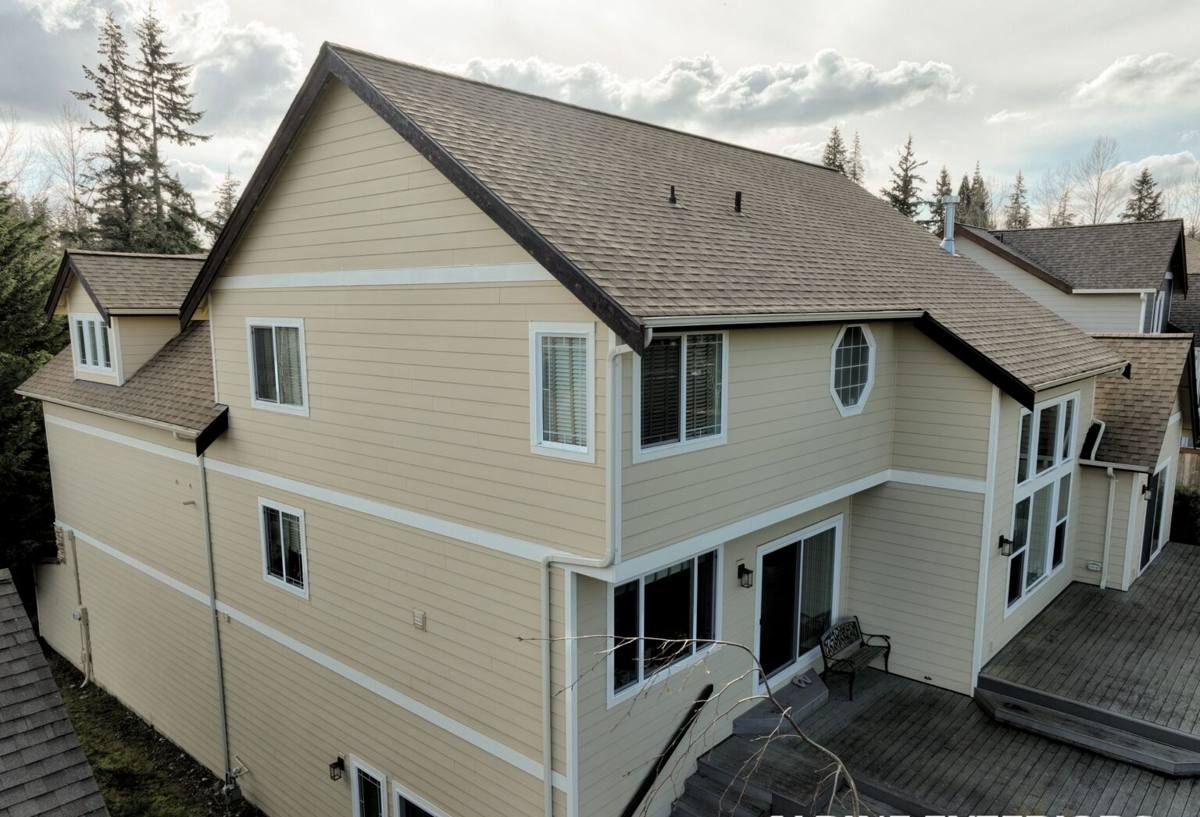
How Pinellas County Weather Damages a Deck
UV and Heat
Florida sun is harder on exposed wood than most homeowners realize. UV breaks down the lignin that holds wood fibers together, and the surface dries out faster than the core, which is why boards cup, crack, and split even when the wood underneath is still structurally sound. Left unaddressed, surface checking turns into deeper cracks that let water in — and that's when small problems become structural ones.
Wind-Driven Rain
Rain in this area rarely falls straight down. Wind pushes it sideways, up under railings, into the seams where deck boards meet ledger boards, and into any gap where flashing or sealant has failed. That moisture doesn't dry out quickly in Florida humidity, which sets up the conditions for rot, especially at the ledger board where the deck attaches to the house — one of the most common failure points we find.
Hurricane and Tropical-Storm Wind
Sustained wind and gusts put real load on railings, guardrail posts, and stair connections. A railing that's a little loose in calm weather is a real hazard once wind gets behind it. Post bases and structural connectors are also what keep a deck from racking or shifting during a storm, and those are exactly the connections that corrode or loosen first.
Salt Air
Even away from the immediate waterfront, salt-laden air travels well inland across Pinellas County. It accelerates corrosion on fasteners, joist hangers, and any exposed metal hardware. Rust streaks bleeding out around screw heads or hanger brackets are one of the clearest early warning signs that hardware is failing, often before the wood around it shows obvious damage.
Signs Your Deck Needs Repair
Most deck problems don't happen all at once — they build slowly and get ignored until something fails. Walk your deck and check for these:
- Soft, spongy, or bouncy spots when you walk across the deck
- Boards that are visibly cupped, split, or splintering
- Rust streaks around screws, bolts, or metal connectors
- A railing or guardrail post that wobbles or flexes under hand pressure
- Gaps or separation where the deck meets the house (the ledger board)
- Stairs that feel unstable or have visible gaps at the stringers
- Nails or screw heads popping up above the board surface
- Visible mold, algae staining, or a musty smell near ground-level framing
- Wood that feels soft or crumbly when you press a screwdriver into it
Any one of these on its own may be a simple fix. Several at once, or anything near the ledger board or support posts, means it's worth a proper inspection before the next storm season rather than after.
What a Correct Deck Repair Actually Involves
A repair that just replaces the board someone can see doesn't fix the problem if the cause is underneath it. A repair that holds up in this climate starts with figuring out why the damage happened, not just where.
Structural Inspection First
Before any board gets pulled, we check the parts of the deck you can't see from standing on it: the ledger board attachment and its flashing, joist hangers and fasteners, post bases, and footings. A rotted board is often a symptom of a moisture problem at a connection point — replace the board without addressing that, and the new board fails the same way in a couple of years.
Matching the Fix to the Damage
Surface graying and minor UV checking on structurally sound wood is a very different repair than rot at a ledger board or a corroded post base. We diagnose which one you're actually dealing with before recommending a scope of work — there's no reason to pay for a bigger repair than the deck needs, and no reason to patch over something that needs to be addressed properly.
Hardware That Fits the Environment
Given the salt air and humidity in this part of Florida, the fasteners and connectors matter as much as the lumber. We use corrosion-resistant, code-rated hardware appropriate to Florida's coastal-influenced conditions rather than standard interior-grade fasteners that were never meant for this kind of exposure.
Code and Safety Compliance
Railing height, baluster spacing, guardrail load capacity, and stair stringer requirements are all governed by the Florida Building Code. Repairs — especially anything involving railings, stairs, or structural framing — get done to meet code, not just to look fixed. That matters both for safety and for resale or insurance purposes down the road.
Repair Scope: What's Usually Involved
Not every deck problem needs the same level of work. Here's how the common scopes compare:
| Repair Scope | What's Involved | Typical Trigger |
|---|---|---|
| Spot board replacement | Swap out individual cracked, cupped, or splintering deck boards | Isolated UV or wear damage, structure underneath is sound |
| Hardware and fastener replacement | Replace corroded screws, bolts, and connectors with corrosion-resistant hardware | Rust staining, loose railings, or hardware nearing end of life |
| Ledger board repair | Address moisture intrusion and re-secure the deck's connection to the house, including flashing | Gaps, soft wood, or staining where deck meets siding/structure |
| Railing and guardrail rebuild | Rebuild posts, rails, and balusters to current code requirements | Wobbly, undersized, or non-compliant railings |
| Framing and joist repair | Sister or replace damaged joists, repair or reinforce post bases and footings | Bounce or sag felt underfoot, visible rot in substructure |
| Full deck resurfacing | Replace the entire deck surface while retaining sound substructure | Widespread surface damage but framing is still structurally solid |
Costs vary widely depending on deck size, material, and how much of the substructure is affected — we'll never guess a number without seeing the deck in person, but most repairs fall somewhere between a single-board fix and a full resurfacing, and we'll walk you through exactly where your project lands before any work starts.
Wood vs. Composite: Repair Considerations
What your deck is made of changes how it fails and how it gets repaired.
Pressure-Treated Wood
Still the most common decking material in this area because it's affordable and repairable in sections — you can replace individual boards without touching the rest of the deck. The trade-off is that it needs periodic sealing or staining to handle Florida UV and rain, and skipping that maintenance is what leads to the cracking and rot we see most often.
Composite Decking
Composite resists UV fading and moisture absorption better than wood, but it isn't maintenance-free, and repairs work differently. Damaged composite boards typically need full-length replacement rather than a spot patch, and matching an older composite board's color and texture years later can be difficult since manufacturers change product lines over time. Composite decking also still relies on a wood or metal substructure underneath, and that framing needs the same inspection attention as an all-wood deck.
Hardware and Fasteners
Regardless of decking material, we don't cut corners on the hardware — joist hangers, structural screws, and post connectors are the parts most exposed to salt air and moisture cycling, and using the right corrosion-resistant grade here is cheaper in the long run than repairing the same connection again in a few years.
Our Repair Process
- On-site inspection. We check the full structure — decking, framing, ledger board, posts, footings, and railings — not just the spot you called about.
- Honest diagnosis. We tell you what's actually causing the damage and what scope of repair it genuinely needs, including if a full replacement makes more sense than continued patching.
- Straightforward scope and pricing. You get a clear explanation of the work, the materials involved, and what it will cost before anything is touched.
- Repair to code. Structural and safety-related work is done to current Florida Building Code requirements, not just patched to pass a glance.
- Cleanup and walkthrough. We leave the site clean and walk you through what was done and what to watch for going forward.
Why a Crew That Already Works Kenneth City Matters
Deck repair in a coastal-influenced area like Pinellas County isn't the same trade as deck repair inland. A crew that regularly works in and around Kenneth City already knows what this climate does to fasteners, ledger boards, and railings over time, and doesn't need to learn that on your project. That familiarity means faster, more accurate diagnosis — knowing where to check first instead of guessing — and repairs specified with materials that are actually suited to salt air and UV exposure rather than generic hardware-store fixes.
It also means faster response after a storm. When wind-driven rain or a tropical system moves through, decks are often one of the first things to show new damage, and having a local crew who can get out to look at it promptly matters more than it seems until you need it.
Maintaining Your Deck Between Repairs
A few habits go a long way toward stretching the life of a repair in this climate:
- Reseal or restain wood decking on a regular schedule rather than waiting for visible graying
- Keep gutters and downspouts clear so runoff isn't dumping extra water onto or under the deck
- Sweep debris out of board gaps so moisture doesn't sit trapped against the wood
- Check railings and stair connections by hand once or twice a year, especially before hurricane season
- Address small issues — a cracked board, a rust spot — before the next heavy rain or storm season, not after
If your deck has a soft spot, a wobbly rail, or damage you're not sure about, we're glad to take a look. We offer free, no-pressure estimates for Kenneth City homeowners — just fill out the form below and we'll get back to you.