 Seminole Siding
 Why Madeira Beach Homes Put Windows to the Test
Madeira Beach sits close enough to the Gulf that its homes deal with a different set of conditions than houses a few miles inland in Seminole. Salt-laden air moves through screens and window tracks daily, the sun is overhead and intense for most of the year, and when storms roll through, wind-driven rain gets pushed sideways into any gap a window will give it. Standard-grade windows built for a mild inland climate simply weren't designed for that combination, and it shows up early — fogged glass, sticking sashes, corroded hardware, and energy bills that climb every summer as cooled air leaks out around the frame.
Energy-efficient windows done right for this specific location aren't just about lowering a power bill, though that's a real benefit. They're about keeping conditioned air in, keeping wind-driven rain and salt air out, and holding up structurally when a storm puts real pressure on the glass and frame. This page covers what that actually requires for a Madeira Beach home, and what to look for whether you hire us or someone else.
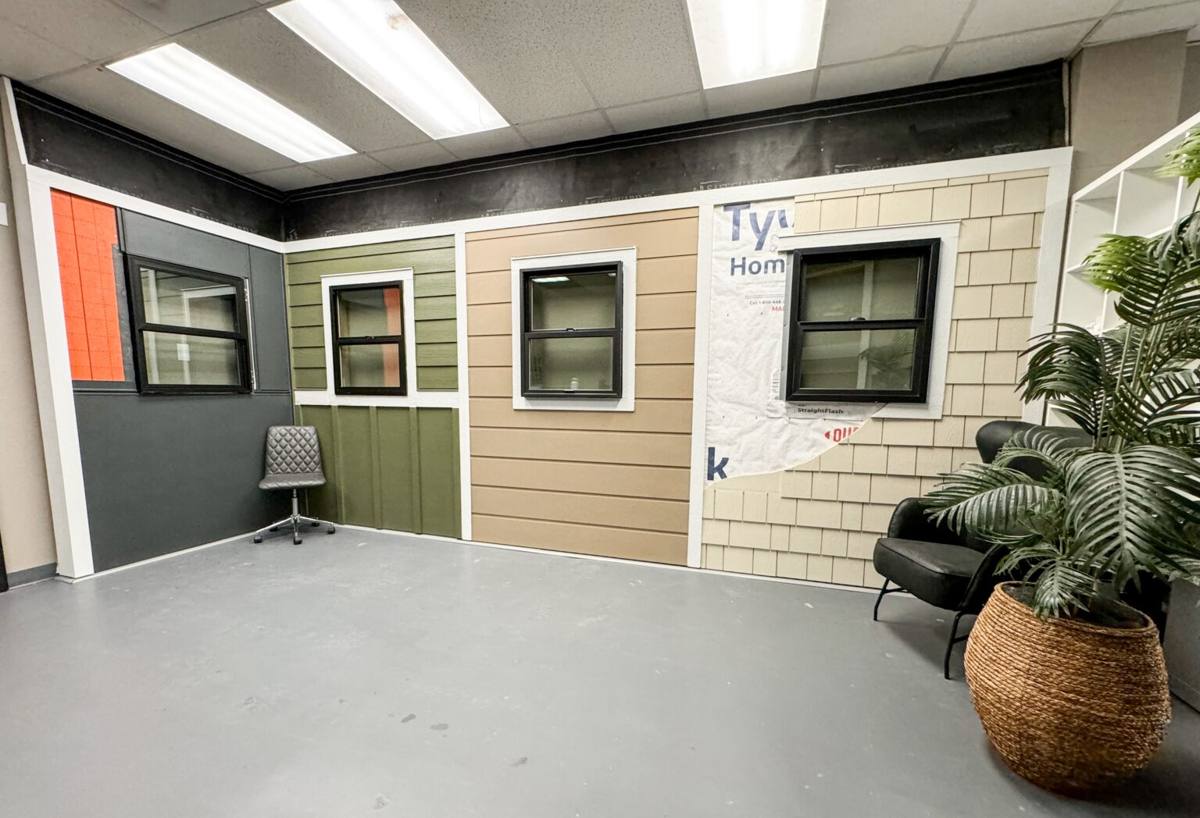
What Coastal Conditions Do to Ordinary Windows
Salt Air and Corrosion
Aluminum hardware, screen frames, and lower-grade fasteners corrode faster near the water. Once corrosion starts on a window's moving parts — balances, locks, hinges — the window stops sealing tightly even when it looks fine from across the room. A loose seal on a window that's supposed to be energy-efficient defeats the point of having one.
UV Exposure
Year-round Florida sun breaks down vinyl frames, weatherstripping, and old-style sealants faster than most homeowners expect. UV-degraded weatherstripping is one of the most common, least visible reasons a window that tests fine on paper still leaks air.
Wind-Driven Rain
During a tropical storm or hurricane, rain doesn't just fall — it gets pushed horizontally into whatever gap it can find. Windows that aren't properly flashed and sealed at installation will leak around the frame long before the glass itself is ever at risk, and that water intrusion can damage framing and drywall well after the storm has passed.
Pressure Cycling
Hurricane-force wind doesn't apply steady pressure — it gusts and pulls repeatedly, flexing glass and frame with every cycle. Windows rated for that kind of load are built and installed differently than standard residential glass, with attention to how the frame is anchored into the surrounding structure, not just the glass itself.
What "Energy-Efficient" Actually Means Here
Energy efficiency and storm performance aren't separate features you choose between — in a coastal Pinellas County home, the same window largely has to deliver both. A few components do most of the work:
- Low-E glass coatings — a microscopically thin coating that reflects infrared heat while still letting visible light through, cutting solar heat gain without darkening the room
- Insulated glass units (double or triple pane) — sealed air or gas-filled space between panes that slows heat transfer through the glass
- Impact-rated laminated glass — a plastic interlayer bonded between two glass panes that holds the assembly together under wind pressure and debris impact, which also happens to improve sound dampening and reduce UV transmission
- Warm-edge spacers — the material separating the panes at the edge of the glass unit, which affects both energy performance and long-term seal durability
- Frame material and reinforcement — determines how well the window resists warping, corrosion, and the repeated flexing of storm-force wind
For a home near the Gulf, we don't treat "energy-efficient" and "storm-rated" as a menu of add-ons. The window package that actually performs here is one built to both standards from the start.
Choosing the Right Frame Material for This Location
Frame material matters as much as the glass package. Here's how the common options hold up specifically in a salt-air, high-UV coastal environment:
| Frame Material | Coastal Durability | Energy Performance | Trade-Offs |
|---|---|---|---|
| Vinyl | Good — won't corrode; quality matters for UV resistance | Strong insulator, low thermal conductivity | Can discolor or become brittle over time if the vinyl formulation is low-grade |
| Aluminum | Fair — prone to corrosion near salt air unless properly coated/anodized | Conducts heat and cold readily unless thermally broken | Strong for large openings, but a poor insulator without a thermal break |
| Fiberglass | Excellent — highly resistant to corrosion, expansion, and UV degradation | Very good insulator; dimensionally stable in heat swings | Higher upfront cost than vinyl |
| Wood-clad | Poor without excellent maintenance — moisture and salt air attack exposed wood | Good when properly built | Highest maintenance burden in a coastal environment; not our standard recommendation this close to the water |
We don't push one material on every job. The right call depends on the home's exposure, the size of the openings, and the homeowner's maintenance appetite — but for houses this close to the Gulf, we steer clients away from options that demand upkeep the salt air will punish if it's ever missed.
What a Correct Installation Actually Involves
The window unit itself is only part of the performance. How it's installed determines whether it actually delivers on energy efficiency and storm resistance once it's in the wall. A correct install includes:
- Accurate opening measurement — an ill-fitting window can't seal properly no matter how good the glass package is
- Removal of old, degraded flashing and sealant — reusing failed flashing just seals in a future leak
- Proper flashing sequence — installed so water is directed out and down, layered correctly with the home's existing weather-resistant barrier
- Correct fastening per the window's engineering — impact-rated windows are only rated as tested; substituting fastener type or spacing voids that rating even if the window itself is compliant
- Compatible, marine-grade sealant at all joints, matched to the frame material
- Shimming and leveling so the sash operates correctly and the seal compresses evenly around the full perimeter
- Interior and exterior finish work that doesn't trap moisture against the frame
Every one of those steps matters more here than it would inland, because the margin for error is smaller — a sealant gap that's a minor nuisance in a dry climate becomes a real leak path once wind-driven rain is pushing against it.
Our Process for a Madeira Beach Window Job
We keep the process straightforward and honest, without pressure tactics or inflated urgency:
- On-site assessment — we look at your current windows, note where seals or frames have already failed, and check how the openings are built into the wall
- Product recommendation — we walk through frame material, glass package, and impact rating options suited to your home's exposure and your budget, without steering you toward the most expensive option by default
- Written estimate — clear pricing with no vague allowances, so you know what's included before we start
- Permitting — Florida requires permits for most window replacement work, especially where wind-load and impact ratings apply; we handle that paperwork
- Installation — removal of old units, proper flashing and sealing, correct fastening per manufacturer specification, and careful interior/exterior finish work
- Final walkthrough — we check operation, seal, and appearance with you before we consider the job done
Signs Your Current Windows Are Already Costing You
Coastal wear on windows is gradual, so a lot of homeowners don't notice how much they're losing until they compare notes. Watch for:
- Condensation or fogging between the panes of a double-pane window — the seal has failed and the insulating gas is gone
- A noticeable draft near the frame when the AC is running
- Difficulty opening, closing, or locking a window that used to operate smoothly
- Visible corrosion on hardware, hinges, or the track
- Rooms near windows that feel warmer than the rest of the house on sunny afternoons
- Rising cooling costs without a clear explanation elsewhere in the home
- Visible daylight or a whistling sound around the frame during windy conditions
Any one of these on its own might not mean much, but two or three together usually means the windows are past the point where caulk and weatherstripping can fix the problem.
Why Local Experience in This Area Matters
A crew that works Pinellas County's coastal neighborhoods regularly knows things a general contractor coming from further inland won't have front-of-mind: how quickly salt air attacks unprotected hardware, which flashing details actually hold up against wind-driven rain here, and what the local permitting process requires for wind-load and impact-rated products. That familiarity shows up in fewer callbacks and windows that are still performing correctly years after installation, not just on day one.
It also means we're not guessing at what this specific stretch of coastline does to a house. Madeira Beach and the surrounding Seminole area share the same exposure — salt air, intense sun, and the real possibility of a direct hurricane track — and we build every recommendation around that reality rather than a generic statewide standard.
Caring for New Windows Once They're In
Energy-efficient, impact-rated windows are built to handle this climate, but a little upkeep keeps them performing at their best:
- Rinse frames and tracks periodically to clear salt residue, especially after storms
- Check weatherstripping annually for cracking or gaps
- Keep tracks and hardware free of sand and debris so locks and balances move freely
- Inspect exterior caulk lines yearly and have any cracking addressed before the next storm season
None of this is heavy maintenance — it's the kind of five-minute check that catches a small issue before it becomes a leak or a stuck window.
Get a Free, No-Pressure Estimate
If your windows are showing their age, feel drafty, or you're simply planning ahead of the next storm season, we're happy to take a look and give you an honest read on what your home actually needs — no upsell, no pressure. Fill out the form below to schedule a free estimate for your Madeira Beach or Seminole home.