 Seminole Siding
 Windows on a Barrier Island Take a Different Kind of Beating
Redington sits close enough to the Gulf that its homes deal with a level of exposure most inland Pinellas County properties never see. Salt-laden air moves through the neighborhood constantly, humidity stays high most of the year, and when a storm tracks anywhere near the coast, wind loads on a home's windows spike fast. If you own a home in or near Redington, your windows aren't just letting in light — they're one of the first lines of defense against wind, rain, and salt, and they age faster than windows a few miles inland.
That's the frame we work from on every Redington window job: this isn't a generic "swap old windows for new ones" project. It's a coastal installation, and it has to be treated like one from the first measurement to the final bead of sealant.
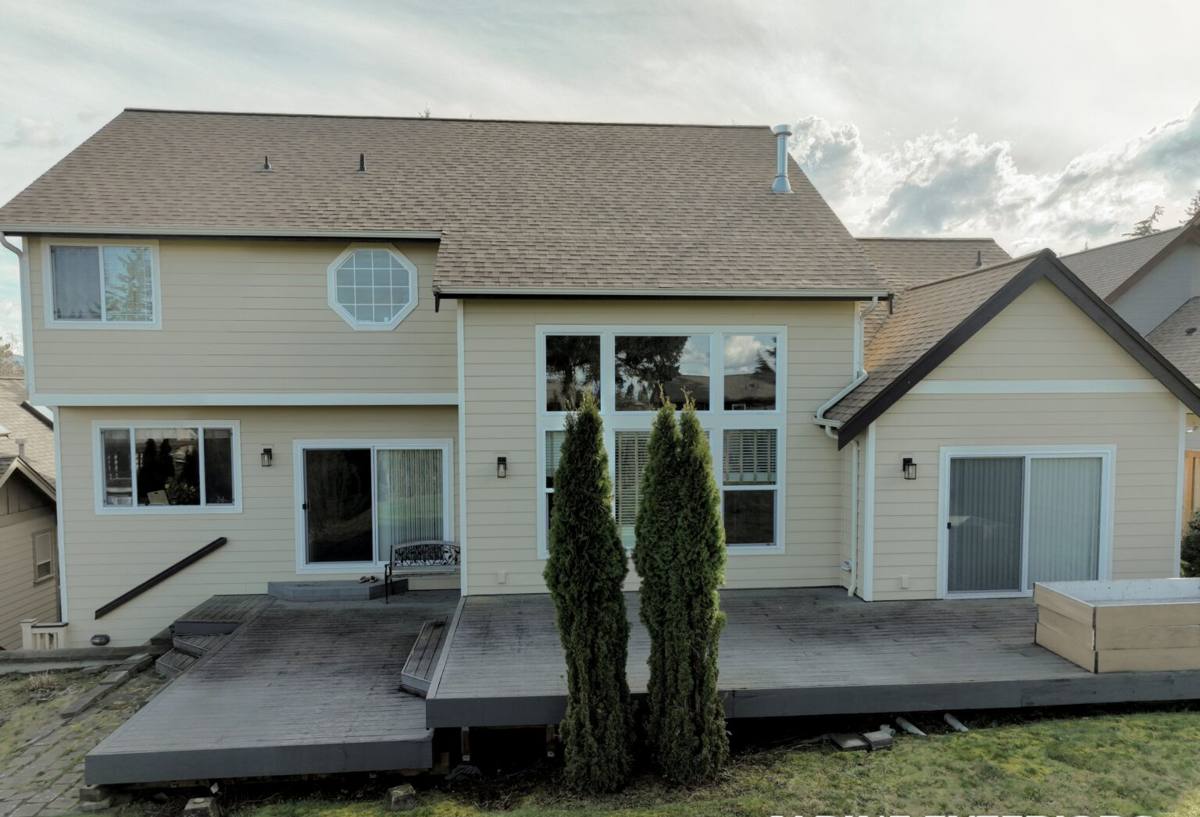
What Coastal Exposure Actually Does to a Window Over Time
Salt Air and Corrosion
Salt in the air settles on everything, including window frames, hardware, and fasteners. Aluminum frames without the right coating can pit and corrode over the years. Steel screws and hinges that aren't rated for coastal use rust from the inside out, long before it's visible from the street. This is one of the most common reasons we find failing hardware on Redington homes that still look fine from the outside.
UV and Seal Breakdown
Florida's near year-round sun is hard on window seals, vinyl, and glazing compounds. UV exposure dries out and cracks sealants faster here than in most of the country, which is what eventually lets moisture behind the frame. Once that happens, you're not just dealing with a drafty window — you're dealing with wood rot, mold, or a compromised opening.
Wind-Driven Rain
Rain that comes in sideways during a Gulf storm finds every gap a normal rainstorm never would. A window that's watertight in a light shower can still leak under wind-driven rain if the flashing and sealant details weren't done correctly at install. This is a huge factor in coastal Pinellas County and one of the most common causes of interior water damage we get called out to diagnose.
Wind Pressure
Even outside of a named storm, sustained coastal winds put ongoing pressure and flex on window frames and glass. Over years, that cycling stress can loosen fasteners and wear at weak points in an installation that wasn't built to handle it from day one.
Florida Building Code and What It Means for Redington Windows
Pinellas County enforces Florida Building Code wind provisions, and coastal properties near the Gulf typically fall under stricter design pressure requirements than homes further inland. In practical terms, that means the window itself — and the way it's anchored into the opening — has to be rated to handle the wind loads for your specific location, not just "hurricane-rated" in a general sense.
Every legitimate window installer working in this area should be pulling permits and installing to the design pressure rating your home requires, with product approval documentation (a Florida Product Approval or Miami-Dade NOA number) that matches what's actually going in the opening. This isn't paperwork for its own sake — it's what makes sure the window performs when it matters and what protects you if you ever file an insurance claim or sell the home.
Impact-Rated vs. Non-Impact with Shutters
You generally have two code-compliant paths for wind protection: impact-rated glass built into the window itself, or standard glass paired with approved storm shutters or panels. Impact windows cost more upfront but require no action before a storm and typically offer better UV and noise reduction day-to-day. Shutter systems cost less initially but mean physically deploying protection every time a storm threatens — not always practical if you're not at the property full-time, which describes a fair number of homes in this area.
Choosing the Right Window for a Redington Home
| Factor | Vinyl Impact Window | Aluminum Impact Window | Standard Window + Shutters |
|---|---|---|---|
| Upfront cost | Moderate | Moderate-High | Lowest |
| Salt air resistance | Strong (no corrosion) | Good with proper coating | Depends on frame chosen |
| Storm prep required | None | None | Manual deployment each time |
| Day-to-day UV/noise reduction | Strong | Good | Standard, unless shutters closed |
| Long-term maintenance | Low | Moderate | Shutters need their own upkeep |
Neither path is wrong on its own — the right call depends on your budget, whether the home is a full-time residence or used part of the year, and how the current openings are framed. We'll walk through the honest trade-offs for your specific house rather than push one option across the board.
What a Correct Installation Actually Involves
The window product matters, but in a coastal wind zone, the installation is what determines whether it performs. A high-end impact window put in with shortcuts on flashing or fastening will still fail before a cheaper window installed correctly. Here's what we consider non-negotiable on every job:
- Removing old windows down to the rough opening and inspecting the framing underneath for hidden rot or moisture damage before anything new goes in
- Correct flashing sequence around the opening so water is directed out, not trapped behind the frame
- Sealant and backer rod appropriate for coastal UV exposure, not a generic caulk that dries out in a season or two
- Fastening schedule that matches the window's design pressure rating and the substrate it's anchored into (wood frame, block, or concrete)
- Shimming and leveling so the window operates smoothly and the seal stays even around the full perimeter
- Interior and exterior trim finished to shed water away from the opening, not toward it
- Final inspection of hardware, locks, and weep holes so drainage paths aren't accidentally sealed shut
Skipping any one of these steps is how a window that's technically "hurricane-rated" still lets water in during the next Gulf storm.
Our Process for Redington Window Jobs
1. On-Site Assessment
We look at every opening individually — framing condition, current window type, sun and wind exposure on that side of the house, and any existing water damage or seal failures.
2. Product and Permit Planning
We spec windows to the design pressure your address requires, pull the necessary Pinellas County permit, and confirm product approval documentation before ordering anything.
3. Removal and Opening Prep
Old windows come out carefully, and we address any rot, corrosion, or framing issues we find before the new unit goes in — not after.
4. Installation
Flashing, sealing, and fastening are done to the standard above, with attention to how wind-driven rain actually behaves on a Gulf-facing wall.
5. Final Walkthrough and Inspection
We check operation, seal integrity, and drainage on every window before we consider the job done, and we're available if anything needs adjustment after the fact.
Signs a Redington Home Needs New Windows Sooner Than Later
- Visible corrosion, pitting, or rust staining on aluminum frames or hardware
- Windows that feel difficult to open, close, or lock — a sign the frame has shifted or warped
- Fogging or condensation between panes on double-pane units, meaning the seal has failed
- Drafts or road/wind noise that seem worse than they used to be
- Soft spots, staining, or discoloration on the interior wall or trim around a window
- Peeling paint or bubbling drywall near window openings, often a sign of slow water intrusion
- Chalky or faded frame finish from years of direct sun exposure
Any one of these on its own might not be urgent, but on a coastal property they tend to compound quickly once moisture finds a way in behind the frame.
Maintenance That Actually Matters in This Environment
Coastal windows need more attention than inland ones, but it doesn't have to be complicated. Rinsing salt residue off frames and glass periodically, checking that weep holes stay clear of debris, and having sealant lines inspected every couple of years go a long way toward getting the full service life out of a coastal window installation. We're happy to point out what to watch for on your specific windows when we're on-site, whether or not we did the original install.
Why It Matters That We Already Work in Redington
A window crew that mostly works inland jobs isn't necessarily used to designing for Gulf-front wind exposure or flashing details that hold up against sideways rain. Working regularly in coastal Pinellas County communities like Redington means we're already familiar with the wind zone requirements that apply here, the permitting process through the county, and the kind of framing conditions common in older barrier island homes. That familiarity shows up in fewer surprises during the job and in an installation built for the conditions your home actually faces — not a generic install adapted after the fact.
If you're weighing window options for a Redington property, we're glad to walk the house with you, explain what your specific openings need, and put together a clear, no-pressure estimate using the form below.