 Seminole Siding
 Why Siding Takes a Different Kind of Beating on Indian Shores
Homes along the barrier island communities near Seminole face a combination of stresses that inland Pinellas County houses simply don't deal with in the same way. Indian Shores sits between the open Gulf of Mexico and the Intracoastal Waterway, which means the exterior of every home there is exposed to salt-laden air moving off the water essentially year-round. Add in hurricane-force wind gusts during storm season, wind-driven rain that gets pushed sideways into wall assemblies rather than falling straight down, and some of the most intense, sustained UV exposure in the continental United States, and you have a set of conditions that will find every weakness in a siding system within a few years — not decades.
This isn't a page about siding in general. It's about what fiber cement siding specifically needs to do, and needs to have done correctly, to hold up on a home in Indian Shores. A siding job that would be perfectly fine forty miles inland can fail early here if it isn't built for this exposure.
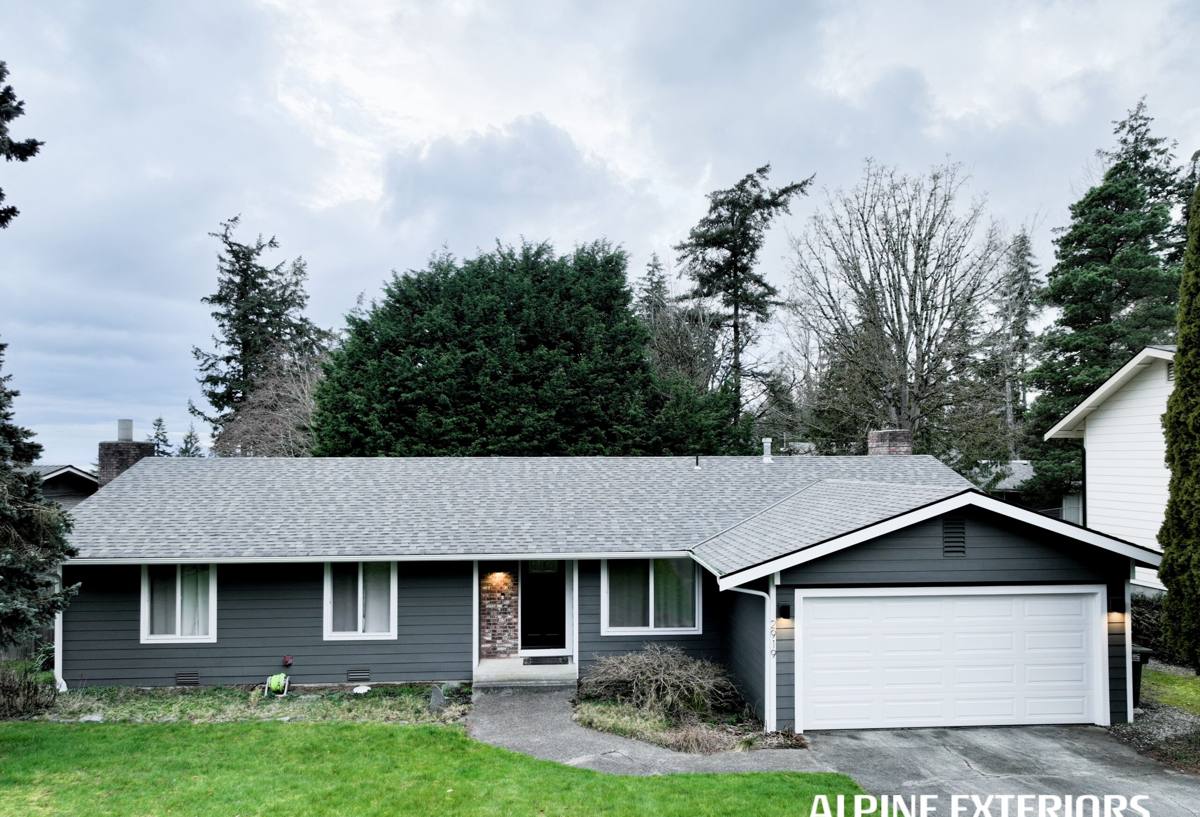
What Coastal Exposure Actually Does to a Wall System
Wind Load on Panels and Fasteners
Sustained coastal winds and hurricane gusts put real pressure differentials on exterior walls — both pushing siding in and, during gust reversals, pulling it back out. Fastener spacing, fastener type, and how tightly panels are secured to structural framing all matter more here than they would on a sheltered inland lot. Siding installed with wide fastener spacing or the wrong fastener length may look fine on a calm day and then lift, crack, or pull loose the first time a serious wind event rolls through.
Wind-Driven Rain and Hidden Moisture
Rain that's being pushed horizontally by wind behaves differently than rain falling straight down. It gets forced up under laps, into unsealed joints, and around penetrations like hose bibs, light fixtures, and vents. If the water-resistive barrier behind the siding, the flashing at those penetrations, and the joint treatment between boards aren't done correctly, moisture works its way behind the cladding and sits against the sheathing — often invisibly, for a long time, before it shows up as a soft spot or a stain.
Salt Air and Metal Fatigue
Airborne salt accelerates corrosion on anything metal in the wall assembly — fasteners, flashing, and trim accessories. Standard fasteners that would be fine in a drier inland climate can corrode faster this close to the Gulf, which is why the corrosion resistance of every metal component in the system, not just the siding board itself, matters for a Indian Shores installation.
UV and Color Fade
Florida's Gulf Coast gets some of the most intense, most consistent UV exposure in the country. Siding finishes that aren't engineered for it chalk, fade, and lose their factory color unevenly — worse on south- and west-facing walls that catch the most direct sun. A finish that looks great in year one but fades unevenly by year five is a real, common problem with lower-grade products and with field-applied paint.
Why We Install Only James Hardie Fiber Cement
We don't install vinyl, LP SmartSide, primed spruce, cedar, or other fiber cement brands. We install James Hardie exclusively, and on a barrier island property that decision isn't a marketing preference — it's a response to what actually holds up against wind, salt, and UV over time.
Climate-Engineered HZ Product Line
James Hardie engineers its HZ5 product line specifically for hot, humid, storm-prone climate zones like ours. The board itself is a dense, stable composite of cement, sand, and cellulose fiber — it doesn't expand and contract with heat the way vinyl does, and it doesn't provide the same moisture pathways that wood-based products can develop over time.
ColorPlus Factory Finish
Rather than relying on field-applied paint that gets sprayed on-site under whatever conditions exist that day, most of the Hardie siding we install carries the ColorPlus finish — baked on in a factory-controlled process. It holds color more evenly under sustained UV exposure than field paint typically does, and it carries its own finish warranty separate from the substrate warranty on the board.
Non-Combustible
Fiber cement doesn't burn. That's a meaningful difference from vinyl, which can soften, warp, or melt under heat exposure, and it's a detail some insurers take into account.
A Warranty That Transfers
James Hardie backs its fiber cement products with a long-term, transferable warranty. If you sell the home, that warranty coverage can move to the new owner — a detail that matters on the Gulf Coast, where property turnover and vacation-home ownership are common.
What Correct Installation Involves — Not Just the Board You Choose
The siding material is only part of the equation. Most of the failures we get called to repair trace back to installation details, not the board itself. On a Indian Shores home, these details carry extra weight:
- A continuous, correctly lapped water-resistive barrier behind the siding, with no gaps at seams
- Flashing integrated at every window, door, and penetration — not caulk used as a substitute for flashing
- Manufacturer-specified clearances from grade, roofing, decks, and other horizontal surfaces so the bottom edge of the siding never sits in standing water or splash-back
- Fastener type, length, and spacing matched to the local wind zone and to Hardie's published installation requirements, not a generic spacing pattern
- Butt joints and panel seams treated and sealed per manufacturer specification, not left to rely on caulk alone
- Corrosion-resistant fasteners and trim accessories throughout, given the salt air exposure
Skipping any one of these doesn't usually cause an immediate, visible problem. It shows up two, five, or ten years later as a soft spot behind the siding, a stained ceiling below a window, or panels that have started separating at a seam.
Our Process for a Indian Shores Siding Project
On-Site Assessment
We start by walking the exterior and identifying which walls take the worst of the direct Gulf exposure versus which are more sheltered, checking the condition of the existing substrate, and looking for any signs of moisture damage that need to be addressed before new siding goes up — covering it over doesn't fix it.
Substrate and Barrier Prep
Any damaged sheathing gets replaced, not patched over. We install a continuous water-resistive barrier and integrate flashing at every window, door, and penetration before a single piece of siding goes up. This step is invisible once the job is finished, which is exactly why it's the step most likely to get shortcut by crews that aren't used to working this close to the Gulf.
Installation to Hardie Specification
Panels are fastened, spaced, and sealed to James Hardie's published installation requirements for this wind zone and climate exposure — not a generic approach used regardless of location. Trim, corners, and penetrations are detailed to shed wind-driven rain rather than trap it.
Final Walkthrough
Before we consider a job finished, we walk it with the homeowner, point out anything worth knowing about their specific wall exposures going forward, and make sure every detail — caulking, trim, touch-up — is complete.
Cost Factors for a Indian Shores Fiber Cement Project
Every home is different, but the same handful of factors drive most of the cost variation we see on barrier island and near-coastal projects:
| Factor | Why It Affects Cost |
|---|---|
| Wall exposure and wind zone | Direct Gulf-facing walls may need tighter fastening patterns and additional detailing than sheltered walls |
| Existing substrate condition | Water-damaged sheathing found during tear-off has to be replaced before new siding goes on |
| Home size and wall complexity | More corners, penetrations, and roof lines mean more flashing and trim detail work |
| Access and staging | Narrow island lots and limited staging space can affect labor time and material handling |
| Trim and accessory package | Corrosion-resistant fasteners and trim accessories add cost but matter more in salt air |
| Finish choice | ColorPlus factory finish versus field-applied paint affects both price and long-term maintenance |
Why Hiring a Crew That Already Works Indian Shores Matters
A siding crew that mostly works inland neighborhoods isn't necessarily doing anything wrong on those jobs — but a barrier island property is a different job. Wind zone requirements, corrosion-resistant fastener selection, and detailing for wind-driven rain aren't things you improvise on-site; they're things a crew either already builds into its process or doesn't. A crew that regularly works in Indian Shores and the surrounding Seminole area knows the difference between what a wall assembly needs three blocks from the beach and what it needs facing the open Gulf directly, and they've already worked through the access and staging realities of these lots.
It also matters for permitting and inspection. Pinellas County and local jurisdictions along the coast enforce wind-load and building code requirements that are stricter than many inland areas, and a contractor familiar with those requirements from repeated local work moves through that process more smoothly than one encountering it for the first time.
Maintenance and What to Watch For in a Salt-Air Environment
Correctly installed James Hardie siding is low-maintenance, but "low-maintenance" doesn't mean "zero-attention" in this environment. A periodic gentle rinse to clear salt residue and airborne grime helps the finish hold up, and it's worth a homeowner doing a simple visual check after major storms.
- Look for any panels that appear loose, lifted, or separated at a seam after high wind events
- Check caulked joints periodically for cracking or separation, especially around windows and trim
- Watch for streaking or discoloration concentrated on one wall, which can point to a drainage or flashing issue rather than a finish issue
- Note any soft spots, staining, or bubbling paint on interior walls near exterior siding, which can indicate hidden moisture behind the cladding
- Rinse accumulated salt spray periodically, particularly on Gulf-facing walls
Catching a small issue early — a lifted panel, a cracked seam — is far less costly than discovering it years later as sheathing damage.
Built for This Coastline, Not Just for a Sale
A home in Indian Shores earns its exterior beating year-round, not just during storm season. Between the salt air, the sustained UV, and the wind exposure that comes with sitting this close to the Gulf, the siding system needs to be right — the right product, engineered for this climate, installed to the manufacturer's specification by a crew that treats every flashing detail and fastener choice as if it matters, because here it does.
If you'd like a straightforward look at what your home's siding needs, we're glad to walk the exterior with you and put together a free, no-pressure estimate.