 Seminole Siding
 New Roof Installation Built for Redington Shores' Coastline
Redington Shores sits right on the Gulf, which means the homes here take a different kind of beating than roofs a few miles inland in Seminole. Salt-laden air, near-constant UV exposure, wind-driven rain, and the real threat of hurricane-force gusts all work on a roof at the same time, year after year. A new roof installation out here isn't just about swapping old shingles for new ones — it's about building an assembly that can actually hold up to barrier-island conditions.
This page covers what that actually looks like: what local homes need from a new roof, what a correct installation involves, how our process works, and why it matters to hire a crew that already works this specific stretch of Pinellas County rather than one that's unfamiliar with coastal installs.
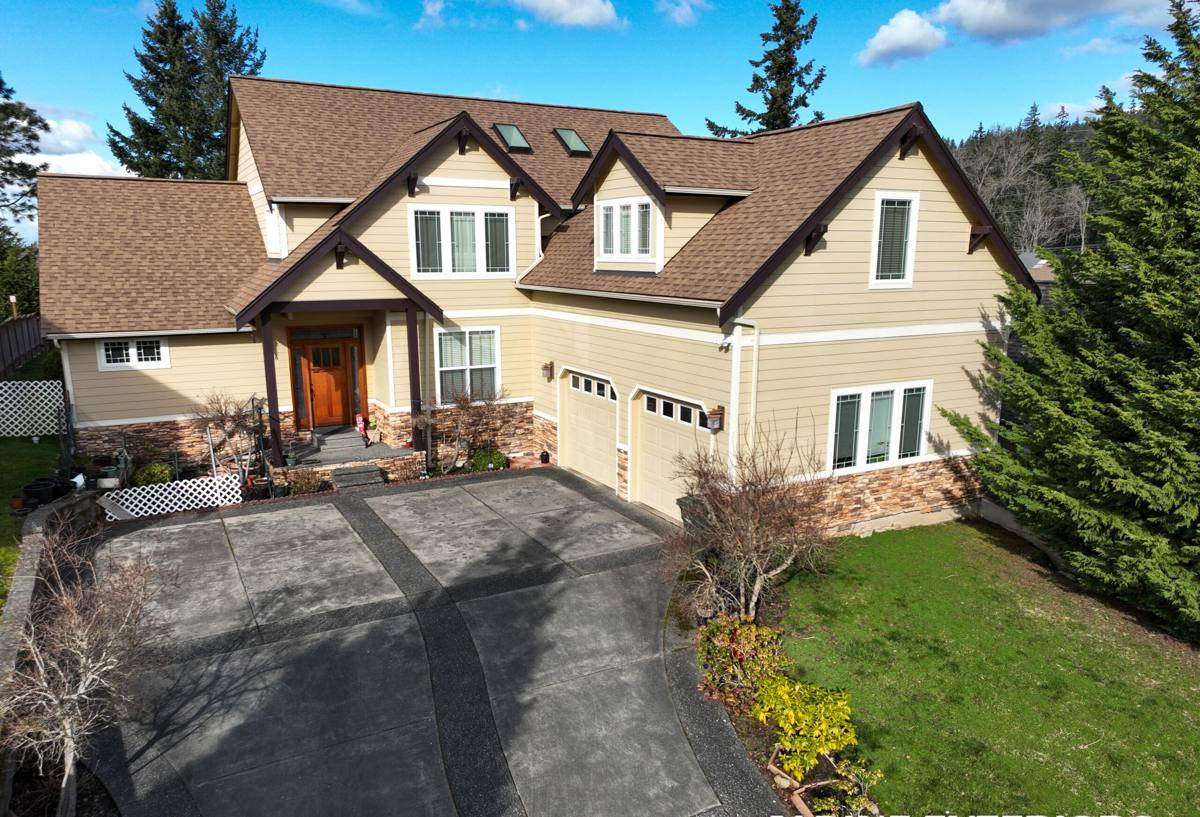
What Coastal Exposure Does to a Roof Over Time
Every roofing material eventually wears out, but the timeline and failure pattern change dramatically this close to the water. A few things we see consistently on Redington Shores homes:
- Salt air corrosion on exposed metal — fasteners, flashing, vent stacks, and drip edge all corrode faster here than they would inland.
- Accelerated UV breakdown of shingle granules and sealants, since there's rarely tree cover to soften direct sun exposure on a barrier island.
- Wind-driven rain intrusion at edges, valleys, and penetrations, even when the shingles themselves look intact.
- Uplift stress from sustained coastal winds and tropical systems, which tests fastening patterns far more than a typical inland storm.
None of this means roofing materials fail quickly here — it means the installation details that get skipped on an easier job are exactly the details that matter most on a home like this.
What a Correct Installation Involves Here
Tear-Off and Deck Inspection
We don't install over old roofing, and we don't skip the deck inspection to save time. Once the old roof is off, we check the decking for soft spots, delamination, or moisture damage — problems that are common near the coast where humidity and past leaks can quietly weaken the sheathing underneath. Any compromised decking gets replaced before anything else goes down.
Underlayment and Water Barrier
The underlayment is the roof's real waterproofing layer — the visible material on top is largely there to protect it and shed water. On a home exposed to wind-driven rain, we use a synthetic or self-adhering underlayment system suited to the roof's slope and exposure, with extra attention at valleys, eaves, and any low-slope transitions where wind can force water sideways.
Fastening for Wind Uplift
Fastener count, placement, and type matter more here than almost anywhere else on the trade. We follow manufacturer specifications and current Florida Building Code wind-load requirements for this coastal zone, not the minimum fastening pattern that might pass in a calmer part of the state.
Flashing, Vents, and Penetrations
Roofs rarely fail in the middle of a field of shingles — they fail at transitions: chimneys, skylights, pipe boots, and roof-to-wall flashing. We use corrosion-resistant flashing materials and proper step and counter-flashing techniques at every penetration, since these are the first points to show wear in a salt-air environment.
Roofing Material Options for a Redington Shores Home
There's no single "right" material for every coastal home — it depends on your home's structure, your budget, and how much long-term maintenance you're willing to take on. Here's an honest comparison of the main options we install:
| Material | Coastal Durability | Maintenance Load | Typical Fit |
|---|---|---|---|
| Architectural asphalt shingle | Good, with proper fastening and flashing | Low to moderate | Most single-family homes; best value |
| Standing seam metal | Very good when properly coated and grounded | Low | Homeowners wanting long service life and high wind performance |
| Concrete or clay tile | Excellent for the tile itself; underlayment is the weak point | Moderate | Homes matching a tile-roof aesthetic already common on the coast |
| Flat/low-slope membrane | Good with correct drainage and seam work | Moderate | Additions, porches, or modern low-slope sections |
We'll walk through which option makes sense for your specific roof shape, HOA guidelines if you're in a community with them, and how you weigh upfront cost against long-term maintenance.
What Actually Drives the Cost of a New Roof
We don't publish blanket pricing because roofs vary too much to make that honest — but the factors that move the number are consistent. Here's what actually determines where your project lands:
| Cost Factor | Relative Impact | Why It Matters |
|---|---|---|
| Roof size and pitch | High | More square footage and steeper slopes mean more material and labor time |
| Material choice | High | Asphalt, metal, and tile carry very different material and labor costs |
| Number of existing layers | Medium | Multiple tear-off layers add disposal and labor time |
| Decking condition | Medium | Rotted or delaminated sheathing needs replacement before install |
| Roof complexity | Medium | Valleys, dormers, and multiple penetrations add flashing work |
| Access and site conditions | Low to medium | Tight coastal lots, landscaping, or limited staging space add time |
We give you a written estimate that breaks these factors down for your specific roof, not a generic per-square number that doesn't reflect what your home actually needs.
Our Installation Process, Start to Finish
- On-site assessment — we inspect the existing roof, decking, and flashing details in person before quoting anything.
- Material selection — we go over your options with honest trade-offs, not a hard sales pitch toward whatever's easiest for us to install.
- Written estimate — a clear scope of work and price, with no surprise add-ons once we're on the roof.
- Permitting — we handle the permit process with the appropriate local building department before work begins.
- Tear-off and deck repair — old roofing removed, decking inspected and repaired as needed.
- Underlayment and dry-in — your home is weathertight before the final roofing material goes on.
- Installation — shingles, metal, or tile installed to manufacturer spec and current wind-load requirements.
- Final inspection and cleanup — magnetic sweep for debris, site walkthrough, and any required final inspection sign-off.
Permits, Codes, and Insurance Considerations in Pinellas County
A new roof in Seminole or Redington Shores requires a permit through the appropriate local building department, and the installation has to meet current Florida Building Code wind-load requirements for this coastal zone. We pull permits and schedule required inspections as part of the job — that's not an optional add-on, it's what makes the roof legitimate for insurance and resale purposes down the line.
Many homeowners in this area also use a new roof as an opportunity to update their wind mitigation inspection, which can affect windstorm insurance premiums. We can't speak for your insurer, but we'll make sure the documentation from the installation itself is complete and accurate so you have what you need to pursue that conversation.
Why a Crew That Already Works Redington Shores Matters
Roofing crews that mostly work inland aren't wrong about roofing in general — they're just less practiced at the specific problems this coastline creates. A crew that regularly works Redington Shores and the surrounding Seminole area already knows:
- Which fastening and flashing details actually hold up to sustained coastal wind, not just what passes a basic inspection.
- How to navigate tight barrier-island lots, HOA requirements, and limited staging space without it slowing the job down.
- What local permitting and inspection processes actually require, so there are no delays from paperwork surprises.
- How salt air affects material and fastener choices differently than it would three miles inland.
That familiarity shows up in fewer callbacks, fewer surprises mid-project, and a roof that's actually built for the environment it's going on — not a generic install that happens to be located near the water.
Signs Your Redington Shores Roof May Need Replacing
Not every roof problem means a full replacement, but these are signs worth having evaluated by someone who can tell the difference between a repair and a real end-of-life roof:
- Shingles that are cupping, curling, or missing granules over large areas
- Visible corrosion or rust streaking around metal flashing, vents, or fasteners
- Soft spots or sagging when walking the roof or viewing it from a ladder
- Daylight visible through the attic decking
- Repeated leaks in the same area despite prior repairs
- A roof approaching or past its expected service life, especially after multiple storm seasons
- Visible storm damage — creased shingles, lifted edges, or displaced tiles
If you're seeing more than one of these, it's worth getting an honest evaluation rather than continuing to patch a roof that's telling you it's done.
Maintaining a New Roof in a Salt-Air Environment
A well-installed roof still benefits from basic upkeep out here. Rinsing off salt residue periodically, keeping gutters clear so water doesn't back up under the edge, and having flashing and sealant points checked after major storms all extend the life of the system. We're happy to point out what to watch for on your specific roof once it's installed, so you're not guessing at maintenance later.
Get a Straight Answer About Your Roof
If your roof is showing its age, took storm damage, or you're just trying to plan ahead before your next hurricane season, we'll come take an honest look and give you a clear, no-pressure estimate — no upsell, no scare tactics, just what your Redington Shores home actually needs. Fill out the form below to get started.