 Seminole Siding
 Storm Damage Roof Repair Built for Redington Beach
Redington Beach sits right on the Gulf, which means every roof in the neighborhood takes a harder beating than a roof five miles inland in Seminole proper. Wind speeds run higher this close to open water, salt-laden air accelerates corrosion on fasteners and flashing, and afternoon storms roll in fast off the Gulf with driving rain that finds every weak point in a roof system. When a storm damages a Redington Beach roof, the repair has to account for all of that, not just patch what's visibly broken.
We work on roofs up and down this stretch of Pinellas County barrier island, and we've built our storm repair process around what actually fails out here: lifted shingles at the roof edges where wind uplift is worst, compromised flashing around chimneys and vent penetrations, and underlayment that's been soaked through a breach most homeowners never see from the ground.
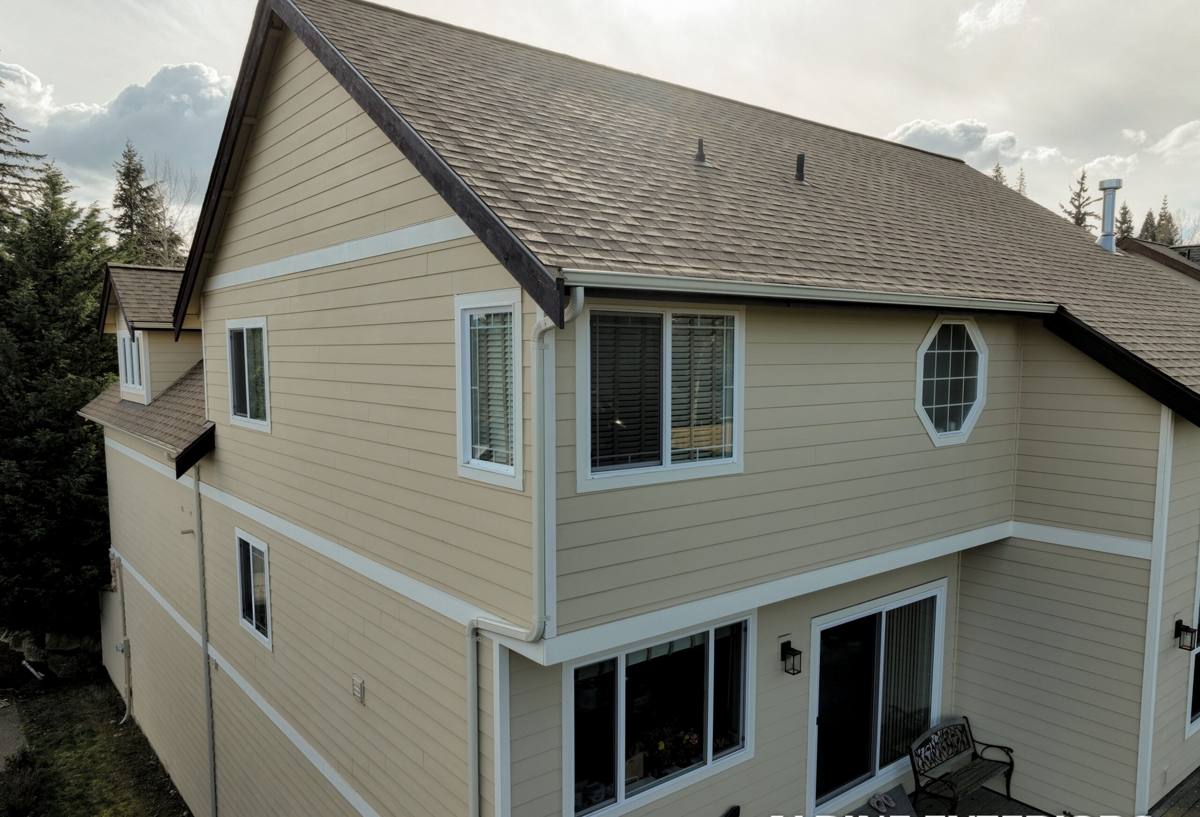
What Makes Storm Damage Different on a Barrier Island Roof
A roof in Redington Beach experiences a different set of stresses than one further inland, and understanding that is the difference between a repair that holds and one that fails again in the next system.
Wind Exposure
Being close to open Gulf water means less friction to slow wind down before it hits a roof. Uplift pressure concentrates at ridges, eaves, and rakes — the same zones we check first on every storm inspection out here, because that's where fasteners pull loose and shingle tabs start lifting even when the rest of the field looks intact.
Salt Air and Corrosion
Salt in the air settles on exposed metal — nail heads, flashing, drip edge — and speeds up corrosion well beyond what you'd see on a roof further from the water. A storm repair that uses standard fasteners or flashing without accounting for that environment is a repair that's going to need attention again sooner than it should.
Wind-Driven Rain
Florida storms don't just drop rain straight down — wind pushes it sideways and up under shingle edges, around flashing laps, and into any gap in the roof deck. A leak that shows up inside the house is often coming from a point well away from the actual entry, which is why we trace water intrusion carefully instead of just patching where the stain appears on the ceiling.
UV Load
Year-round Florida sun bakes roofing materials even on days with no storm at all. Shingles and sealants that are already UV-stressed are more likely to crack or fail outright when a storm adds wind and water stress on top of it — which is one reason storm damage sometimes looks worse on an older roof than the age alone would suggest.
Signs Your Redington Beach Roof Has Storm Damage
Some damage is obvious from the ground. A lot of it isn't, and it's the damage you can't see that turns into an interior leak weeks or months later.
- Missing, cracked, or curled shingles, especially along ridges and edges
- Granules collecting in gutters or at downspout outlets after a storm
- Lifted or bent flashing around chimneys, vents, or roof-to-wall transitions
- Soft spots or sagging when walking the roof deck
- Water stains on interior ceilings, especially near exterior walls
- Daylight visible through the roof deck from inside the attic
- Debris impact marks or punctures from wind-blown branches or hail
- Sealant that's cracked, shrunk, or pulled away around penetrations
If you notice any of these after a storm, the sooner it's assessed, the less likely a small breach turns into a bigger interior repair.
What a Correct Storm Repair Actually Involves
A lot of storm repair work is done fast and cheap after a big weather event, because demand spikes and homeowners want it fixed immediately. That approach tends to produce repairs that address the visible symptom and miss the underlying cause. Here's what we check and do on every storm repair, regardless of how minor the damage looks:
Full Roof Assessment, Not Just the Damaged Spot
Storm damage rarely stays contained to one area. We check the whole roof plane, not just the section that's visibly missing shingles, because wind uplift and wind-driven rain typically stress more of the roof than what's obvious from the driveway.
Deck Inspection Where Water Got In
If water made it past the shingle layer, we check the condition of the roof deck underneath. Wet or soft decking has to be addressed before new roofing goes back on top of it — covering over compromised decking is how small leaks turn into structural repairs.
Flashing and Penetration Review
Flashing failure is one of the most common sources of storm leaks and one of the easiest to miss on a surface-level look. We check flashing at chimneys, skylights, vent stacks, and roof-to-wall intersections as part of every storm repair.
Matching Materials and Fastening for Coastal Exposure
Repairs on a barrier island roof should use fastening and flashing details suited to the wind and salt exposure here, not generic inland practice. That includes proper nailing patterns for wind resistance and attention to how the repair ties into the existing roof system so it isn't a weak point the next time wind gets under it.
Repair Approach by Damage Type
| Damage Type | Typical Cause | What We Check |
|---|---|---|
| Lifted or missing shingles | Wind uplift at edges and ridges | Fastening pattern, underlayment condition, wind exposure at that section |
| Flashing failure | Age, corrosion, wind flexing metal | Seal integrity, corrosion, fit at penetrations |
| Interior leak, no visible exterior damage | Wind-driven rain intrusion at a gap or lap | Full roof trace from interior stain point outward |
| Granule loss, exposed mat | Impact damage or advanced UV wear meeting storm stress | Remaining shingle life, extent of affected area |
| Soft or sagging deck areas | Prolonged water intrusion under the roofing layer | Deck moisture, structural condition before re-roofing over it |
Our Process for Redington Beach Storm Repairs
1. Inspection and Honest Assessment
We walk the roof and the attic where accessible, document what we find, and tell you plainly what's storm damage versus what's pre-existing wear. Not everything after a storm needs a full repair — sometimes it's a targeted fix, and we'll say so.
2. Clear Scope Before Work Starts
You'll know what we're repairing, why, and roughly what it involves before anything happens. No vague scopes that expand once the work is underway.
3. Repair Using Materials Suited to This Environment
We use fastening, flashing, and sealant appropriate for coastal Pinellas County exposure — not whatever's fastest to grab off the truck.
4. Cleanup and Final Walkthrough
Debris and old materials are cleared, and we walk the completed repair with you so you can see what was done.
Insurance and Storm Claims
Many storm repairs in this area involve homeowners insurance. We document damage thoroughly with photos and a written assessment that you can use in a claim, and we're straightforward about what's storm-related damage versus what's ordinary wear an insurer is likely to distinguish. We don't inflate scopes to chase a bigger payout — a repair that's honestly scoped holds up better under both a roof and a claims review.
Why Local Experience on Redington Beach Matters
A roofing crew that mainly works inland Seminole or further into Pinellas County doesn't necessarily know how differently a barrier island roof behaves in a storm. Wind loading, salt exposure, and code requirements for this close to the Gulf all factor into a repair that's actually going to last through the next season, not just look fixed until the next storm finds the same weak point.
We work this stretch of coastline regularly, which means we're familiar with the general building patterns and roof types common to Redington Beach homes, and we bring that context into every assessment instead of treating each repair as a generic job.
Preventing Repeat Storm Damage
A good repair should also reduce the odds of the same failure happening again. That means correcting the underlying cause — not just replacing what broke — and, where it makes sense, flagging other areas of the roof that show early wear so you can address them before the next storm turns them into an emergency.
- Have flashing and roof edges checked after any significant wind event, even without visible damage
- Clear debris from gutters and roof valleys so water has a clear path off the roof
- Address minor shingle wear before it becomes a wind-uplift starting point
- Keep an eye on attic ventilation, which affects how materials hold up under UV and heat stress
If your Redington Beach home has storm damage, or you just want a professional set of eyes on the roof before the next system comes through, we're glad to take a look. Reach out for a free, no-pressure estimate using the form below.