 Seminole Siding
 Roofing on a Barrier Island Is a Different Job
Indian Rocks Beach sits on a narrow strip of land between the Gulf of Mexico and the Intracoastal Waterway, just west of Seminole in Pinellas County. That location is what makes the neighborhood beautiful, and it's also what makes roofing here harder than roofing three or four miles inland. Salt-laden air, near-constant Gulf breeze, direct sun with almost no shade canopy, and the real chance of a tropical storm or hurricane every season put more stress on a roof here than on a comparable roof in a landlocked subdivision. A roof replacement on the island isn't just "the same roof, closer to the water" — the details that matter most (fastening, flashing, ventilation, material choice) change because of where the house sits.
This page covers what a proper roof replacement looks like for an Indian Rocks Beach home, what tends to go wrong when it's done without the coastal environment in mind, and how we approach the job.
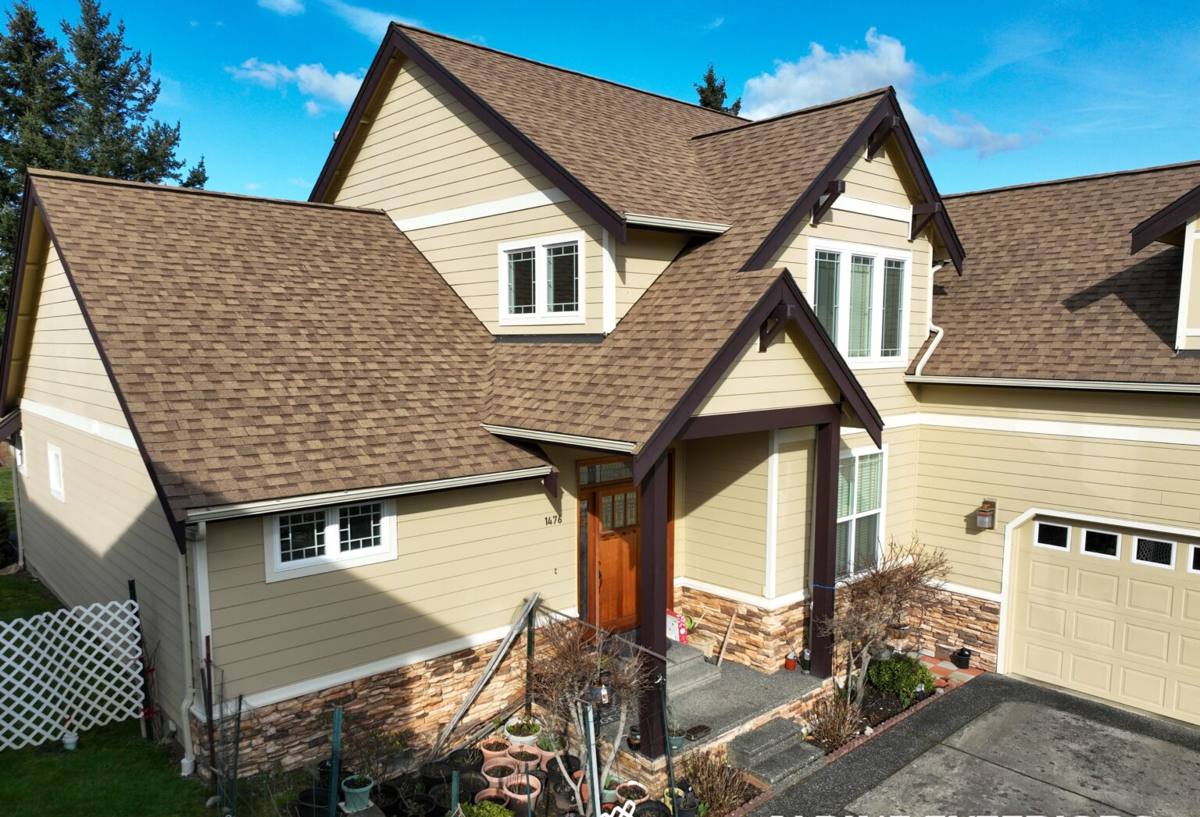
What the Coastal Climate Actually Does to a Roof
It helps to understand the specific forces working against a roof out here, because they explain almost every decision a contractor makes on a coastal reroof.
- Wind: Even outside of a named storm, IRB gets sustained onshore wind that finds every loose shingle tab, unsealed ridge cap, or under-driven nail. During a hurricane or tropical storm, wind-driven rain gets pushed sideways and upward under roof edges and around penetrations that would stay dry in a normal downpour.
- UV exposure: With open water on multiple sides and little tree cover on most lots, roofs here take a heavier, more direct dose of sun than shaded inland properties. UV breaks down asphalt shingle mat and dries out sealants faster.
- Salt air: Airborne salt accelerates corrosion on exposed metal — nails, flashing, vent stacks, screws — and speeds up granule loss on shingles. Anything metal on a coastal roof needs to be corrosion-resistant, not just galvanized.
- Humidity and heat: Poorly ventilated attics on the coast trap moisture, which shortens the life of decking and underlayment from underneath, even while the top side looks fine.
None of this means a house on Indian Rocks Beach needs an exotic roof. It means the standard details — fastener type, underlayment layers, edge treatment, ventilation — have to be done right, every time, because there's no margin for a roof that's "good enough" for a milder climate.
Signs a Coastal Roof Replacement Shouldn't Wait
What to look for from the ground
Most homeowners don't get on the roof, and they shouldn't. From the ground or a ladder at the eave, watch for curling or cupping shingles, granules collecting in gutters or at downspout outlets, dark streaking, cracked or lifted ridge caps, and daylight or staining around plumbing vents, chimneys, or skylights.
What matters more here than inland
On a barrier island home, a few additional signs carry extra weight: rusted or discolored nail heads and flashing (a sign salt is winning the fight), any shingles that look "washed" or thin near roof edges and corners (the highest-wind zones of any roof), and soft or spongy decking felt underfoot near valleys or eaves, which usually means water has already been getting in longer than the ceiling below shows. If your roof is 15–20+ years old and has been through several storm seasons on the island, a replacement conversation is worth having even if it "looks fine" from the driveway — coastal wear often shows up from above and underneath before it shows up as a ceiling stain.
What a Correct Roof Replacement Involves
A reroof is more than stripping old shingles and nailing down new ones. On a coastal property, the parts nobody sees are what determine whether the new roof performs in the next tropical storm.
Tear-off and deck inspection
Full tear-off to the decking, not a layover. This is the only point in the job where the decking itself can be inspected and any water-damaged or delaminated plywood/OSB sections can be replaced, rather than covered up.
Underlayment and secondary water barrier
A synthetic or self-adhered underlayment appropriate for the material and slope, with self-adhered membrane at valleys, eaves, and around penetrations. On coastal homes we treat the secondary water barrier as a real line of defense, not a formality, since wind-driven rain during a storm can push moisture past the primary roof surface.
Fastening and wind resistance
Correct nail count and placement for the wind zone, corrosion-resistant fasteners, and starter strip/ridge cap sealing that matches the manufacturer's high-wind installation instructions. This is the single biggest factor in whether a roof survives a storm with its cover intact.
Flashing and penetrations
New flashing at chimneys, walls, and roof-to-wall transitions; corrosion-resistant boots and collars at plumbing vents; properly integrated flashing at skylights. Reused old flashing is one of the most common sources of leaks on a "new" roof.
Ventilation
Balanced intake and exhaust ventilation so the attic isn't trapping heat and moisture. This protects the underside of the new decking and helps the shingles or underlayment reach their expected service life instead of aging early from the inside.
Roofing Material Options for a Gulf-Facing Home
There's no single "right" material for Indian Rocks Beach — it depends on the home's roof structure, budget, and how long the owner plans to stay in it. Here's how the common options compare specifically for a coastal Pinellas County setting.
| Material | Coastal performance | Trade-offs to know |
|---|---|---|
| Architectural asphalt shingle | Good when rated and installed for high wind; most affordable upfront | Shorter lifespan under heavy UV and salt exposure than metal or tile; relies heavily on correct installation |
| Standing seam metal | Excellent wind uplift resistance when properly fastened; sheds water fast in wind-driven rain | Higher upfront cost; needs coastal-grade fasteners and coatings to resist corrosion |
| Concrete or clay tile | Very durable against UV and salt; long service life | Heavier — must confirm the structure can support it; individual tiles can crack from impact and need careful underlayment since the tile itself isn't the primary water barrier |
| Flat/low-slope membrane (for additions or porches) | Works well on low-slope sections common on older beach homes | Detailing at edges and penetrations is critical; not a substitute for proper slope roofing on the main structure |
Whatever material a homeowner chooses, we install it to the manufacturer's high-wind specifications rather than the minimum standard version, because "minimum standard" isn't really appropriate for a house exposed to open Gulf wind.
Permits, Wind Ratings, and Local Code
Pinellas County and the City of Indian Rocks Beach require a permit for roof replacement, and the work has to meet Florida Building Code wind-load requirements for the property's wind zone — coastal Pinellas properties generally fall into higher wind-speed design categories than inland properties in the same county. That affects things like fastening schedules, underlayment requirements, and in some cases the products that can be installed at all. We pull the required permits, schedule the necessary inspections, and build the roof to the wind rating the code actually calls for at that address — not a generic statewide minimum.
Older homes on the island sometimes also fall under flood zone or coastal construction considerations tied to their location near the water. We factor that into the scope before work starts rather than discovering it mid-project.
Our Roof Replacement Process
- On-site assessment: We inspect the current roof, attic ventilation, and decking condition, and talk through material options that fit the home and budget.
- Written proposal: A clear scope covering material, underlayment, flashing details, and price — no vague allowances hiding decisions for later.
- Permitting: We handle the permit application with the local building department before any work begins.
- Tear-off and deck repair: Old roofing removed down to the deck; any damaged decking replaced and documented.
- Dry-in: Underlayment and secondary water barrier installed the same day the deck is exposed, so the home isn't left open to weather overnight.
- Install: Flashing, fasteners, and finish material installed to the wind-zone specification for the property.
- Final inspection and walkthrough: Local inspection scheduled, and we walk the finished roof and cleanup with the homeowner before calling the job done.
Cost Factors on a Coastal Roof
| Factor | Why it moves the price |
|---|---|
| Roof size and pitch | More square footage and steeper pitches mean more material and labor time |
| Material choice | Asphalt shingle, metal, and tile carry meaningfully different material and labor costs |
| Deck condition | Rotted or delaminated decking found at tear-off adds repair cost that can't be known until the old roof is off |
| Number of penetrations | Chimneys, skylights, multiple vent stacks, and complex valleys each add flashing labor |
| Wind-zone fastening requirements | Higher wind ratings can require more fasteners and specific underlayment, adding labor and material |
We give a firm, itemized price after the on-site assessment — not a phone estimate — because too much of the real cost on a coastal roof depends on what's actually under the existing shingles.
Why a Crew That Already Works on Indian Rocks Beach Matters
Roofing a barrier island home has logistics that don't come up on an inland job. Access is often limited to a single bridge or causeway, which affects scheduling and material delivery timing. Many streets are narrow, lots are tight, and some communities have their own parking or noise-timing expectations that a crew unfamiliar with the area can run into on day one. A contractor who already works this specific stretch of coastline knows the wind exposure differences between a Gulf-front lot and one a few blocks back toward the Intracoastal, has already dealt with local permitting for this jurisdiction, and isn't guessing at what "coastal-grade" fastener or flashing actually needs to mean for the property. That familiarity shows up as fewer surprises and fewer callbacks — not as anything flashy, just a job that goes the way it was scoped.
Protecting a New Roof in a Salt-Air Environment
A correctly installed roof still benefits from basic upkeep in this climate. A few habits go a long way toward getting the full expected life out of a new roof on the island:
- Rinse accumulated salt residue and debris off the roof surface periodically, especially after long dry, windy stretches
- Keep gutters and downspouts clear so water isn't backing up under the roof edge
- Trim back any overhanging vegetation to reduce abrasion and debris buildup on the surface
- Have the roof looked at after any major named storm, even if there's no visible interior leak
- Address small issues — a lifted shingle tab, a cracked pipe boot — quickly, since small gaps are what wind-driven rain exploits during the next storm
None of this replaces a professional inspection every few years, but it meaningfully reduces the small failures that turn into bigger leaks between inspections.
If your Indian Rocks Beach or Seminole home is due for a roof replacement, we're happy to take a look and give you a straight, no-pressure estimate — just fill out the form below and we'll get in touch.