 Seminole Siding
 Why Window Installation in Largo Takes Local Know-How
Largo sits close enough to the Gulf that its homes deal with a specific mix of stress most inland houses never see: sustained salt-laden air, punishing summer UV, and the kind of wind-driven rain that doesn't just fall on a house but gets pushed sideways into it during a storm. Windows are one of the biggest weak points in that equation. A window opening is a hole cut into the wall assembly, and every seam, fastener, and sealant joint around it is a potential path for water and air. When it's done right, that opening becomes as strong as the wall around it. When it's rushed or done by someone unfamiliar with Pinellas County's wind and moisture conditions, it becomes the first thing that fails in the next storm.
This page is about window installation specifically for Largo homes — not a generic overview. The climate here dictates almost every decision in the process, from what frame material holds up to what glass package makes sense to how the opening gets flashed and sealed before a new window ever goes in.
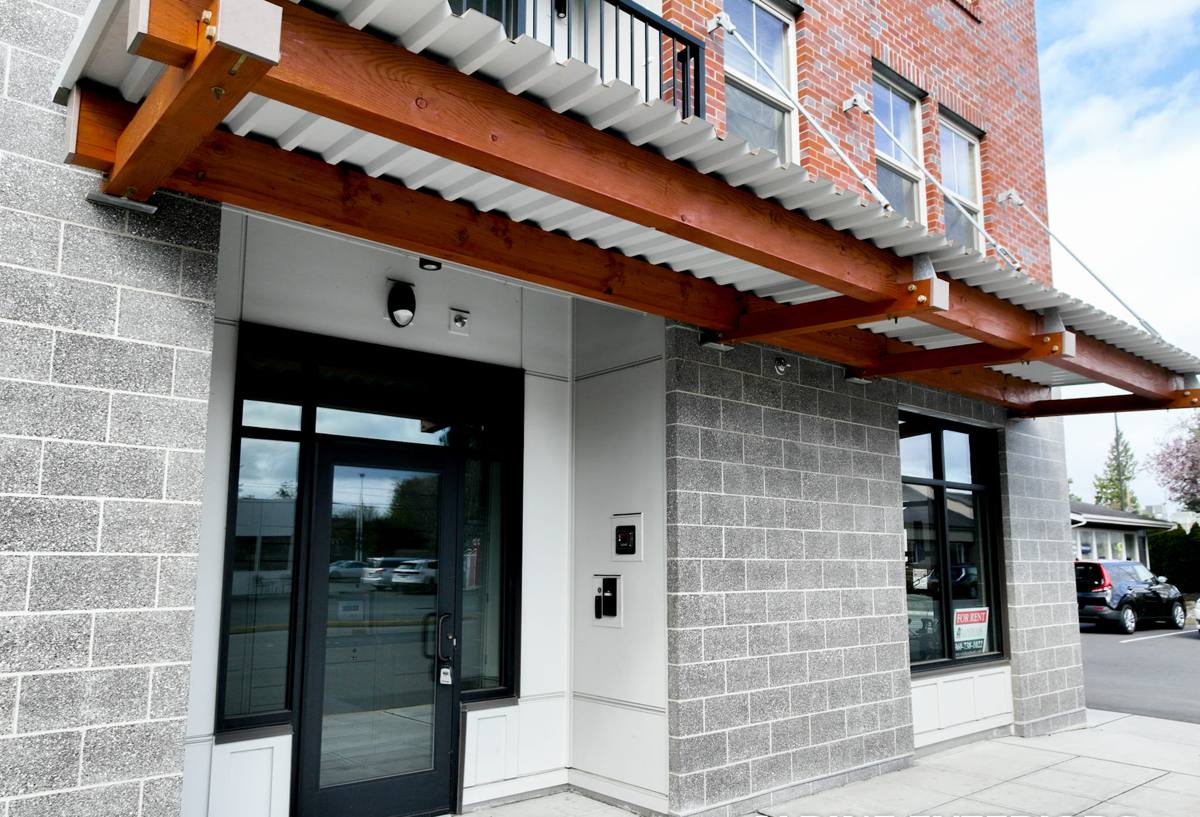
How Wind-Driven Rain and Salt Air Damage a Bad Install
Wind-Driven Rain Intrusion
During tropical storms and the seasonal downpours that hit this part of Florida, rain rarely falls straight down. Wind pushes it horizontally and forces it into any gap around a window frame. A properly installed window relies on layered flashing and sealant to shed that water back out before it reaches the wall cavity. Skip a step — no back-dam flashing, a sealant bead applied to a dirty or wet surface, weep holes left blocked — and water gets behind the frame. You won't always see it right away. It shows up later as stained drywall, soft framing, or mold behind the wall.
Salt Air and Corrosion
Airborne salt travels well inland from the coast and settles on everything, including window hardware, screws, and metal components. Fasteners and hardware not rated for coastal exposure corrode faster here than they would in a drier, inland climate. That corrosion weakens the very anchoring that's supposed to keep a window in its opening during high wind.
UV and Seal Failure
Florida sun is intense and constant. UV breaks down cheap sealants and lower-grade vinyl over time, causing them to crack, chalk, or shrink away from the frame. Once a sealant joint fails, it stops doing its job long before it looks obviously broken — which is why a window can seem fine right up until a storm proves otherwise.
What a Correct Window Installation Involves
Opening Prep and Flashing
Before a new window goes in, the rough opening has to be inspected and prepped — old sealant and fasteners removed, the sill and jambs checked for hidden rot or damage, and a proper flashing sequence installed so water is directed out and away from the wall assembly rather than trapped inside it. Skipping this step is the single most common shortcut in a rushed install, and it's the one that costs homeowners the most down the road.
Fasteners and Anchoring
The window has to be anchored with fasteners rated for the wind loads required in our area, spaced and placed according to the manufacturer's tested installation instructions — not just "enough screws to hold it up." This is also where corrosion-resistant hardware matters most, given how much salt air this region carries.
Sealants and Weatherproofing
A correct install uses the right sealant for the substrate (stucco, wood, block) at every joint, plus backer rod where gaps are too wide for sealant alone. Interior and exterior sealing both matter — one manages bulk water, the other manages air and vapor.
Choosing a Frame Material for Largo's Climate
Frame material affects how a window holds up against sun, salt, and moisture over the years. There's no single right answer for every home — it depends on budget, the home's exposure, and how the windows will be used.
| Frame Material | Salt Air / Corrosion | UV Durability | Typical Maintenance |
|---|---|---|---|
| Vinyl | Does not corrode; good coastal performer | Quality varies — cheaper vinyl can yellow or warp over time | Low; occasional cleaning |
| Fiberglass | Excellent resistance; very stable material | Strong UV stability, holds paint/color well | Low; higher upfront cost |
| Aluminum | Prone to corrosion near the coast unless properly coated | Good, but can conduct heat | Moderate; watch for corrosion at fasteners |
| Wood | Poor without diligent upkeep in humid, salt-air conditions | Requires regular refinishing | High |
For most Largo homes, vinyl or fiberglass strikes the best balance of coastal durability and cost. We'll walk through the trade-offs for your specific house rather than pushing one material across the board.
Impact-Rated Glass, Laminated Glass, and Shutters
Homeowners in this area generally have two paths to protecting window openings during a storm: impact-rated windows with laminated glass built into the unit, or standard glass paired with separate hurricane shutters or panels.
Impact-rated windows keep the glass intact under wind-borne debris impact because of a laminated interlayer that holds shards together rather than letting them shatter through. They stay in place year-round, require no setup before a storm, and typically offer better sound and UV control day to day. Shutters or panels cost less upfront and can work well for homeowners who are comfortable deploying them before a storm, but they only protect the window when they're actually installed in time — and they don't do anything for everyday UV or noise reduction.
Neither option is objectively "better" in every case. It comes down to budget, how much day-to-day performance matters to you, and how confident you are that shutters will get put up before a storm actually arrives.
Permits, Wind-Load Ratings, and Inspections
Window replacement in Largo and the rest of Pinellas County is a permitted job. The windows themselves need to carry Florida product approval documentation showing they meet the wind-load design pressures required for your specific home and its exposure category — a corner unit or a home with more open exposure to wind can carry different requirements than a similarly sized home tucked behind other structures. A licensed installer pulls the permit, the work gets inspected, and that inspection record follows the house — which matters for insurance and for resale, since buyers and adjusters increasingly ask for it.
Skipping the permit might save a little time up front, but it leaves the homeowner with no documented proof the windows meet code, which can complicate an insurance claim or a home sale later.
Our Installation Process
- On-site assessment of existing openings, framing condition, and exposure — we look at the whole wall assembly, not just the window itself.
- Product recommendation based on your home's exposure, budget, and whether impact glass or a shutter system fits your situation better.
- Permit pulled with the required product approval documentation for your specific wind-load requirements.
- Opening prep: removal of the old unit, inspection of the sill and framing for hidden moisture damage, and correction of any issues found before the new window goes in.
- Installation with correct flashing sequence, corrosion-resistant fasteners, and manufacturer-specified anchoring.
- Sealing, interior and exterior, matched to the substrate.
- Final walkthrough and scheduling of the required inspection.
Signs Your Current Windows Need Replacing
Not every window problem means a full replacement, but these are the signs worth having a professional look at sooner rather than later:
- Fogging or condensation between panes of double-pane glass — a sign the seal has failed
- Visible daylight, drafts, or whistling around the frame during windy weather
- Difficulty opening, closing, or locking the window
- Soft or discolored drywall, trim, or wall texture around the window after rain
- Chalky, cracked, or missing sealant around the frame's exterior joints
- Visible corrosion on hinges, latches, or fasteners
- Frames that feel warm to the touch on the interior side during peak summer heat
Why Hire a Crew That Already Works Largo
Window installation isn't the same job everywhere in Florida, and it isn't even the same job everywhere in Pinellas County. Exposure to wind and salt air varies block by block depending on how close a home sits to open water and how much surrounding structure or tree cover breaks up the wind. A crew that regularly works in Largo already understands those local variations, knows what the county's permitting and inspection process expects, and has seen firsthand what happens to a poorly sealed window after a season of Gulf storms. That experience shows up in fewer callbacks, fewer surprises during inspection, and windows that are actually matched to the conditions your specific home faces — not a one-size-fits-all approach borrowed from a different climate.
If you're weighing a window replacement in Largo, we're glad to walk your home, look at your current windows and openings, and put together a straightforward, no-pressure estimate using the form below.