 Seminole Siding
 Why Largo Windows Take More Punishment Than Most
Largo sits inland from the Gulf just enough to feel like a break from the coast, but the weather doesn't know the difference. Homes here still take the full Tampa Bay combination: hurricane-force wind gusts during storm season, sun that beats down nearly every day of the year, driving rain that gets pushed sideways into window frames, and a steady drift of salt air that corrodes metal and degrades seals faster than it would inland. Windows are one of the hardest-working parts of a house's exterior, and in Pinellas County they age faster than the manufacturer's brochure suggests.
Seminole Siding Company works Largo regularly as part of our service area, and the patterns repeat house after house: frames that have gone soft or chalky from UV exposure, seals that failed years before they should have, and hardware that's pitted or seized from salt exposure. Window replacement done right accounts for all of that from the start, not just at install day but for the next fifteen to twenty-five years of Florida weather.
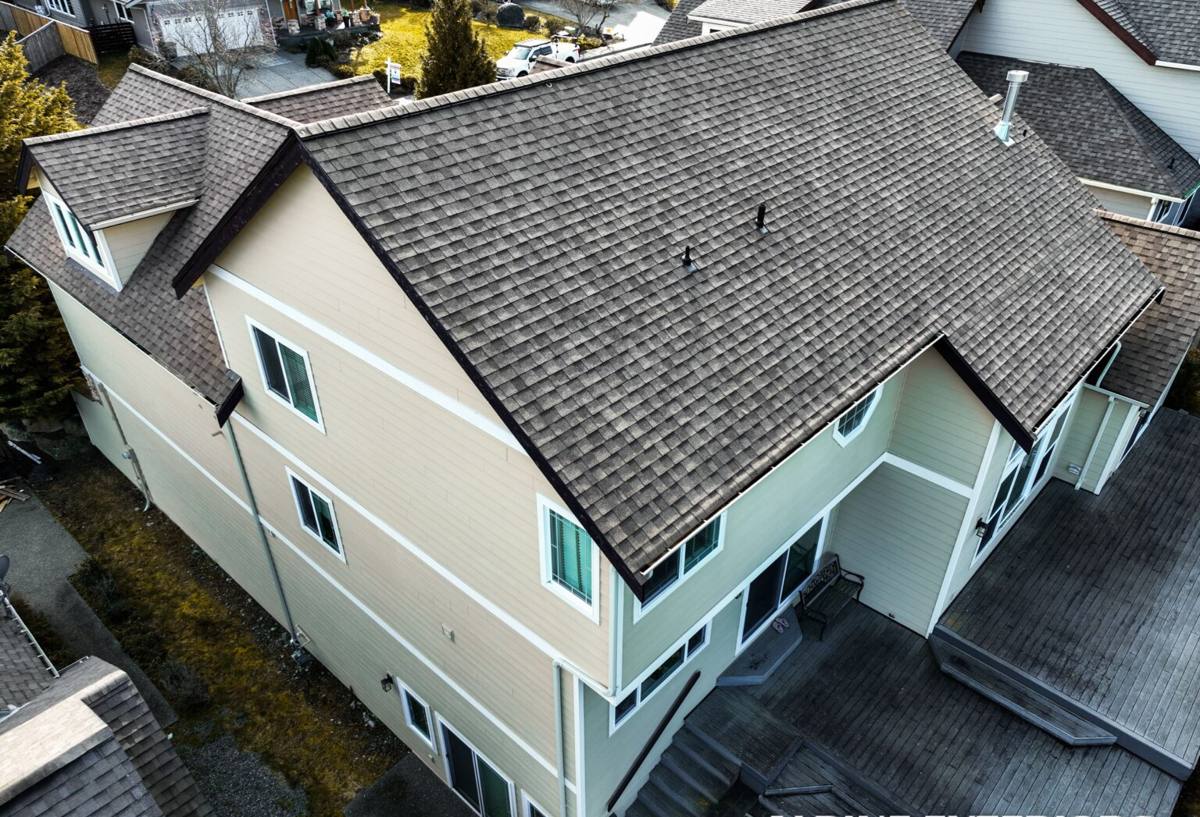
Signs a Largo Home Needs Window Replacement, Not Another Repair
Not every window problem means a full replacement. But there's a point where patching seals, re-caulking, or swapping hardware stops being worth it. Watch for:
- Fogging or a permanent haze between panes — the seal has failed and the insulated glass unit can't be repaired, only replaced
- Frames that flex, feel soft, or show cracking, especially on south- and west-facing windows that take the most sun
- Windows that are hard to open, close, or lock — often a sign the frame has warped out of square
- Visible water staining, soft drywall, or a musty smell around the window after wind-driven rain
- Rising energy bills with no other explanation — old single-pane or failed-seal windows leak conditioned air
- Rattling or whistling during wind — the frame or weatherstripping is no longer sealing properly
Any one of these can usually be lived with for a while. Several at once, especially on a home due for an insurance wind-mitigation inspection, is a good reason to get a straight assessment instead of guessing.
What a Correct Window Replacement Actually Involves
Window replacement looks simple from the outside — old window out, new window in — but the parts nobody sees are what determine whether the job holds up through the next decade of Pinellas County storms.
Removing the Old Window Without Damaging the Opening
The rough opening has to come out clean, with the surrounding framing, sheathing, and siding or stucco inspected for hidden rot or water damage before anything new goes in. Installing a new window into a compromised opening just hides the problem behind a fresh frame.
Flashing and Water Management
This step separates a window that lasts from one that leaks. Proper flashing directs any water that gets past the exterior finish back out and away from the framing, not into it. In a market like ours, where wind-driven rain gets forced sideways under enough pressure, sloppy flashing shows up as a leak within a year or two — sometimes longer, which makes it harder to trace back to the install.
Sealing and Insulating
The gap between the new window frame and the rough opening gets insulated and sealed on both the interior and exterior sides, not just caulked around the outside trim and called done. A top-quality window can still perform poorly if it's installed with gaps, uneven shimming, or an incomplete seal.
Choosing a Frame Material for a Largo Home
Frame material affects how a window holds up to sun, salt, and humidity over time — arguably more than the glass does. None of the common options is wrong for our climate, but each comes with trade-offs worth understanding before you pick one.
Vinyl
Vinyl is the most common choice for Florida replacements, and for good reason: it doesn't rust, needs no painting, and is typically the most affordable option. The trade-off is that lower-quality vinyl can discolor or become brittle under years of intense UV exposure, so frame quality matters more than it does with other materials.
Aluminum
Aluminum frames are strong and slim, which is part of why they're common in impact-rated systems. In a salt-air environment like ours, aluminum needs a good factory finish to resist corrosion and pitting over time — a bare or poorly coated frame will show wear faster this close to the Gulf.
Fiberglass and Composite
Fiberglass and composite frames cost more but resist UV degradation and moisture well, and they don't expand and contract with heat the way vinyl can. For homeowners planning to stay long-term, the higher upfront cost is often offset by fewer replacement cycles down the road.
We don't push one material over another — we walk through what fits the home, the budget, and how long you plan to own it, and install accordingly. What we insist on is installing every frame material to the same standard: correct flashing, full sealing, and proper fastening for our wind zone, since a good frame installed poorly will still fail early.
Impact-Rated Glass and Wind Codes in Pinellas County
Pinellas County enforces the Florida Building Code's wind-borne debris protection requirements. In practical terms, that means window replacements in Largo generally need either impact-rated windows or an approved protective covering, such as code-rated shutters, along with a building permit and the window's product approval documentation on file.
Impact-rated windows use laminated glass with an interlayer that holds together under impact instead of shattering outward — the same basic idea as a windshield. They cost more up front than standard glass, but they stay closed and sealed during wind events without the homeowner needing to install shutters or panels before every storm, and they often factor into insurance wind-mitigation credits. Non-impact windows paired with code-rated shutters can also satisfy the building code, but that puts the burden on the homeowner to deploy protection ahead of every storm — something that's easy to put off until it's too late.
We pull permits and handle product approval documentation as a standard part of every replacement job, not an add-on. Skipping that step is a common way homeowners end up with a failed inspection or a claims headache down the line.
What Drives the Cost of a Window Replacement
There's no single price for "window replacement" — it depends on several factors that vary house to house. This is a general guide to what moves the number, not a quote.
| Cost Factor | Why It Matters |
|---|---|
| Impact vs. non-impact glass | Impact-rated laminated glass costs more per window but skips the shutter requirement and often qualifies for insurance credits |
| Frame material | Vinyl is typically the most budget-friendly; aluminum and fiberglass cost more but hold up differently to Florida heat and salt exposure |
| Window size and style | Larger openings, sliders, and picture windows cost more than a standard single- or double-hung |
| Number of windows replaced at once | Doing a whole house together usually costs less per window than replacing a few at a time over several years |
| Condition of the rough opening | Hidden rot or water damage found during removal adds repair work before the new window can go in |
| Height and access | Second-story or hard-to-reach windows take more time and equipment |
As a rough range, homeowners in our area typically see costs anywhere from several hundred to a few thousand dollars per window installed, depending on the factors above. We give a firm, itemized number after seeing the actual openings, not before.
Our Window Replacement Process
- On-site assessment. We look at every opening, check for existing damage around the frames, and talk through what you actually need — impact glass, specific styles, energy performance — versus what's optional.
- Written estimate. A clear, itemized quote broken down by window, so you know what you're paying for and why.
- Permitting. We pull the required Largo/Pinellas County permit and file the product approval paperwork before work starts.
- Removal and inspection. Old windows come out carefully, and we flag any hidden rot or damage before closing anything back up.
- Installation. Proper flashing, shimming, insulation, and sealing on every unit, inside and out.
- Final walkthrough and inspection. We check operation on every window, clean up the site, and schedule the final building inspection.
Why a Local Largo Crew Matters
Window replacement is one of those jobs where local knowledge saves real money and headaches. A crew that already works Seminole and Largo knows the Pinellas County permitting process, knows what wind-borne debris requirements apply to a given address, and has already seen how the same window types and installation methods hold up a few years into our specific mix of sun, salt, and storms — not a generalized national climate.
It also means someone is close by if a warranty issue or adjustment comes up after the job is done, instead of waiting on a company that drove in from out of the area for one job. We stand behind our installs, and being local is what makes that a real commitment instead of a line in a contract.
Keeping New Windows Performing for the Long Run
A correct installation does most of the work, but a little homeowner maintenance extends the life of any window in a coastal climate:
- Rinse frames and tracks periodically to clear salt residue, especially on homes closer to the water
- Check and clean weep holes so water can drain out instead of pooling in the frame
- Lubricate locks and hardware once or twice a year to prevent corrosion from seizing them
- Inspect exterior caulking annually and touch up any cracking before the next rainy season
- Re-tighten hardware and check for soft spots around the frame after major storms
None of this is complicated, but skipping it is how a well-installed window ends up needing early attention anyway.
If your Largo home has windows that are fogging, sticking, leaking, or just past their prime, we're happy to take a look and give you an honest, no-pressure assessment. Fill out the form below for a free estimate on window replacement — no obligation, just a straight answer on what your windows actually need.