 Seminole Siding
 Why Roofs on Madeira Beach Wear Out Faster Than Roofs Inland
Madeira Beach sits right on the Gulf, and that barrier-island location is hard on a roof in ways that homes even a few miles inland in Seminole don't deal with. Salt-laden air corrodes exposed metal fasteners, flashing, and vent components faster than in drier inland air. Year-round UV exposure breaks down asphalt shingle granules and dries out sealant strips ahead of schedule. Wind-driven rain finds its way under poorly lapped underlayment and around flashing that was installed for a calmer climate. And when a tropical system or a strong seasonal storm rolls through, sustained coastal winds put uplift pressure on a roof that inland Pinellas County homes simply don't see as often.
None of this means a roof on Madeira Beach can't last a long, normal service life — it means the installation has to account for these conditions from the start. A roof that would hold up fine on a quiet inland street can fail early here if it's built the same way.
What a Correctly Installed Coastal Roof Actually Involves
"New roof" covers a lot of ground, and the difference between a roof that lasts and one that doesn't usually comes down to details most homeowners never see once the job is done.
The Deck Comes First
Every new roof starts with the plywood or OSB deck underneath the old shingles or tile. On coastal homes, we look closely for soft spots, delamination, and old fastener corrosion before anything new goes down. Installing new roofing over a compromised deck is one of the most common shortcuts in the industry, and it's the one that causes the most expensive repeat failures.
Underlayment and Water Barrier
A synthetic or self-adhering underlayment goes down next, and in a wind-driven rain environment like Madeira Beach's, how it's lapped and fastened matters as much as the material itself. Valleys, eaves, and any roof-to-wall transitions get extra attention here, since these are the spots where wind-blown rain is most likely to work its way in sideways rather than straight down.
Flashing and Fasteners
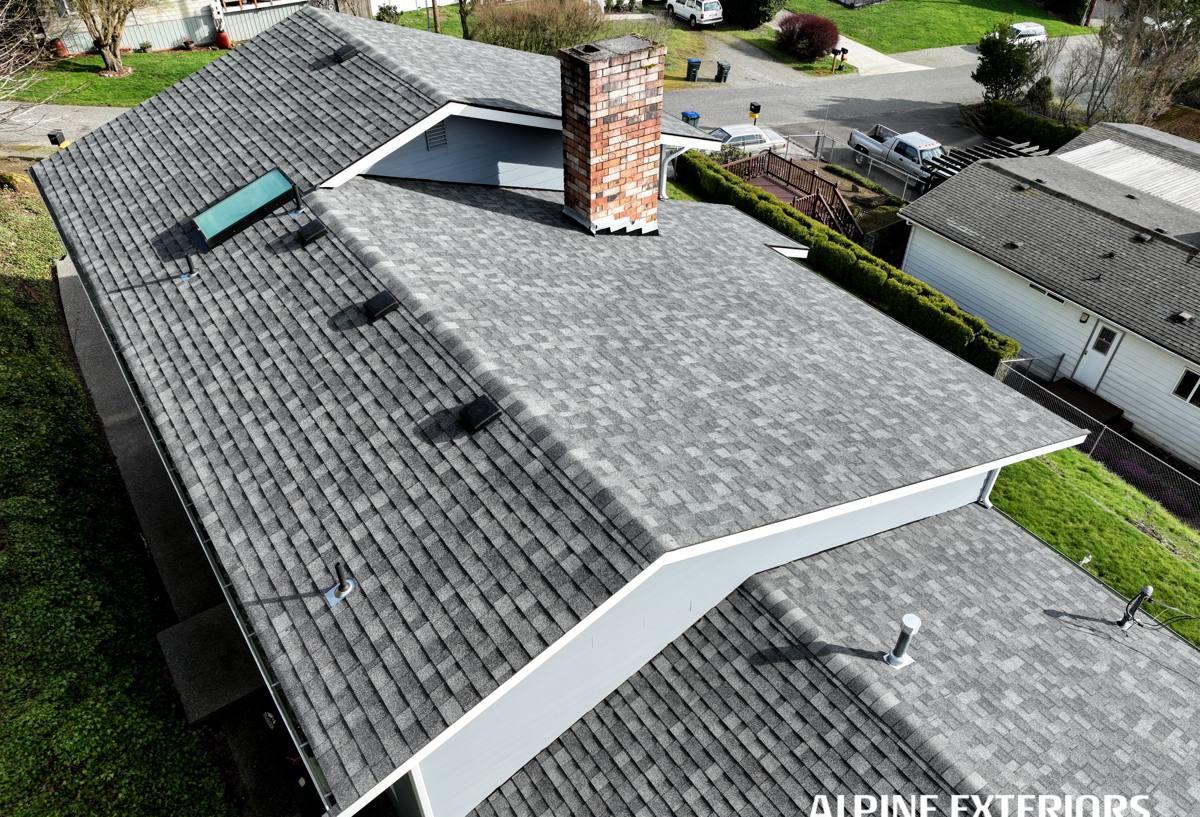
Flashing around chimneys, pipe boots, skylights, and roof-to-wall junctions is where most leaks originate on an otherwise sound roof. We use corrosion-resistant flashing and fasteners suited to salt air exposure, not the standard-grade hardware that's fine sixty miles from the coast but starts rusting within a few seasons here.
Field Installation and Wind Resistance
Nail or fastener pattern, sealant strip activation, and starter course installation all affect how well shingles or panels resist wind uplift. Florida Building Code sets minimum wind-uplift standards for coastal Pinellas County, and we install to meet or exceed those requirements rather than treating them as a ceiling.
Choosing a Roofing Material for a Madeira Beach Home
There's no single "best" roofing material for the beach — the right choice depends on your home's style, roof pitch, budget, and how long you want to go before your next major roofing project. Here's how the common options compare in this specific environment.
| Material | Wind Performance | Salt Air Durability | Typical Lifespan | Relative Cost |
|---|---|---|---|---|
| Architectural asphalt shingle | Good, with proper nailing and rated products | Moderate — flashing and fasteners are the weak point | 15-25 years on the coast | Lowest upfront |
| Standing seam metal | Very good to excellent | Strong when coated fasteners and proper alloys are used | 30-50 years | Higher upfront, fewer replacements over time |
| Concrete or clay tile | Excellent when properly fastened/adhered | Very good — tile itself doesn't corrode | 30-50 years | Higher upfront, heavier structural demands |
Asphalt shingle remains the most common choice for Madeira Beach homes because it balances cost and performance well, as long as it's a wind-rated product installed correctly. Metal and tile cost more up front but ask less of you over the following decades, which matters on a barrier island where maintenance visits aren't always convenient to schedule.
Permits and Inspections for Roofing in Madeira Beach
Madeira Beach, like most of the incorporated beach communities along this stretch of Pinellas County, handles building permits through its own municipal process rather than defaulting to whatever applies elsewhere in the Seminole area. That means permit requirements, inspection scheduling, and turnaround times can differ from a job just a few miles inland. A crew that pulls permits here regularly knows what documentation the city expects and how to schedule inspections without adding weeks of dead time to your project — a crew that's never worked the island is learning that process on your job.
Current Florida Building Code wind provisions apply to new roofing throughout coastal Pinellas County, which affects everything from the wind rating of the shingle or panel product you choose to how it's fastened down. This isn't optional paperwork — it's the standard your new roof needs to meet to perform the way it's supposed to during the next serious wind event.
Our New Roof Installation Process
The steps are the same on paper wherever you live — the execution changes for a coastal job like this one.
- Inspection and estimate. We look at your existing roof, deck condition, and roof shape, and talk through material options that fit your home and budget.
- Permitting. We handle the Madeira Beach permit application and schedule required inspections so you don't have to chase paperwork.
- Tear-off. Old roofing comes off down to the deck, with the work area protected and debris hauled off the same day whenever weather allows.
- Deck inspection and repair. Any soft, delaminated, or storm-damaged decking gets replaced before new roofing goes down — not covered over.
- Underlayment, flashing, and drip edge. Installed with the wind-driven rain exposure of a barrier-island home in mind, not a generic inland install.
- Field installation. Shingles, panels, or tile go down to the manufacturer's coastal wind-rating specifications.
- Final inspection and cleanup. We walk the job with you, confirm the city inspection passes, and make sure your yard and driveway are clear of nails and debris.
Flat and Low-Slope Sections on Beach Homes
Plenty of Madeira Beach properties aren't a single simple roof shape — older beach cottages, elevated coastal homes, and additions often have a flat or low-slope section over a porch, lanai, or ground-floor entry in addition to the main sloped roof. These sections take standing water differently than a steep-slope roof and need a membrane or modified bitumen system designed for that, not shingles pitched too low to shed water properly. When we quote a new roof here, we look at the whole roofline, not just the dominant slope, so you're not stuck patching an incompatible low-slope section separately a year later.
What Actually Drives Your Cost
Every roof is priced individually, but the same handful of factors move the number up or down on almost every Madeira Beach job.
| Cost Factor | Why It Matters |
|---|---|
| Roof size and number of facets | More square footage and more valleys/hips mean more material and labor |
| Material choice | Asphalt shingle costs less upfront than metal or tile; lifespan and maintenance trade off against that |
| Deck condition | Rotted or delaminated decking found during tear-off adds material and labor to replace |
| Roof pitch and access | Steep roofs and homes with limited driveway or yard access take longer and require more safety setup |
| Flat/low-slope sections | Porch or lanai roofs often need a separate membrane system priced apart from the main roof |
| Wind-rating requirements | Meeting current coastal wind-uplift standards can mean higher-rated products and fastening patterns |
We give you a written estimate that breaks these out, so you can see exactly what you're paying for instead of one lump number.
What to Ask Before You Hire a Roofer for a Madeira Beach Home
A new roof is a major investment, and the coastal environment here raises the stakes if the work is done wrong. Before you sign a contract, it's worth asking:
- Is your license and insurance current, and can you provide proof directly rather than just a claim?
- Have you pulled permits and worked with the Madeira Beach building department before?
- What wind rating is the material you're quoting, and does it meet current Florida Building Code requirements for this location?
- What corrosion-resistant fasteners and flashing do you use given the salt air here?
- Will you inspect and repair the deck as part of the job, or only if it's specifically requested?
- What's included in the manufacturer's warranty versus your own workmanship warranty, and what would void either one?
- How do you handle debris removal and yard protection on a job with tight island lot access?
Why It Matters That We Already Work Madeira Beach
We're based in Seminole and work the surrounding Pinellas beach communities regularly, including Madeira Beach. That's not a marketing line — it means we already know the permitting process at the city level, we've priced and installed roofs on the mix of home styles common here, and we understand what salt air and coastal wind do to a roof over time because we see it on follow-up calls, not just in a manual. A crew that mostly works subdivisions forty minutes inland can still do competent work, but they're solving problems on your roof for the first time. We've usually already solved them once.
If your roof is aging, was damaged in a storm, or you're just planning ahead, we're happy to take a look and put together a free, no-pressure estimate — no obligation, just an honest read on where your roof stands and what your options are. The form below gets you started.