 Seminole Siding
 Why Pinellas Park Roofs Don't Age Like Roofs Inland
Pinellas Park sits on a peninsula, and that changes how a roof behaves over time. Homes here deal with a combination that inland Florida towns don't see nearly as much: hurricane-force wind gusts during storm season, wind-driven rain that gets pushed sideways under poorly sealed edges, salt-laden air rolling in off the Gulf, and some of the most intense year-round UV exposure in the country. Any one of those on its own is manageable. Together, they shorten the life of a roof that wasn't installed with this specific climate in mind.
We're based in Seminole and have worked Pinellas Park roofs long enough to know the pattern: it's rarely the shingles or tiles themselves that fail first. It's the details underneath — the underlayment, the flashing, the fastening, the ventilation — that determine whether a roof makes it to year 20 or starts leaking at year 8.
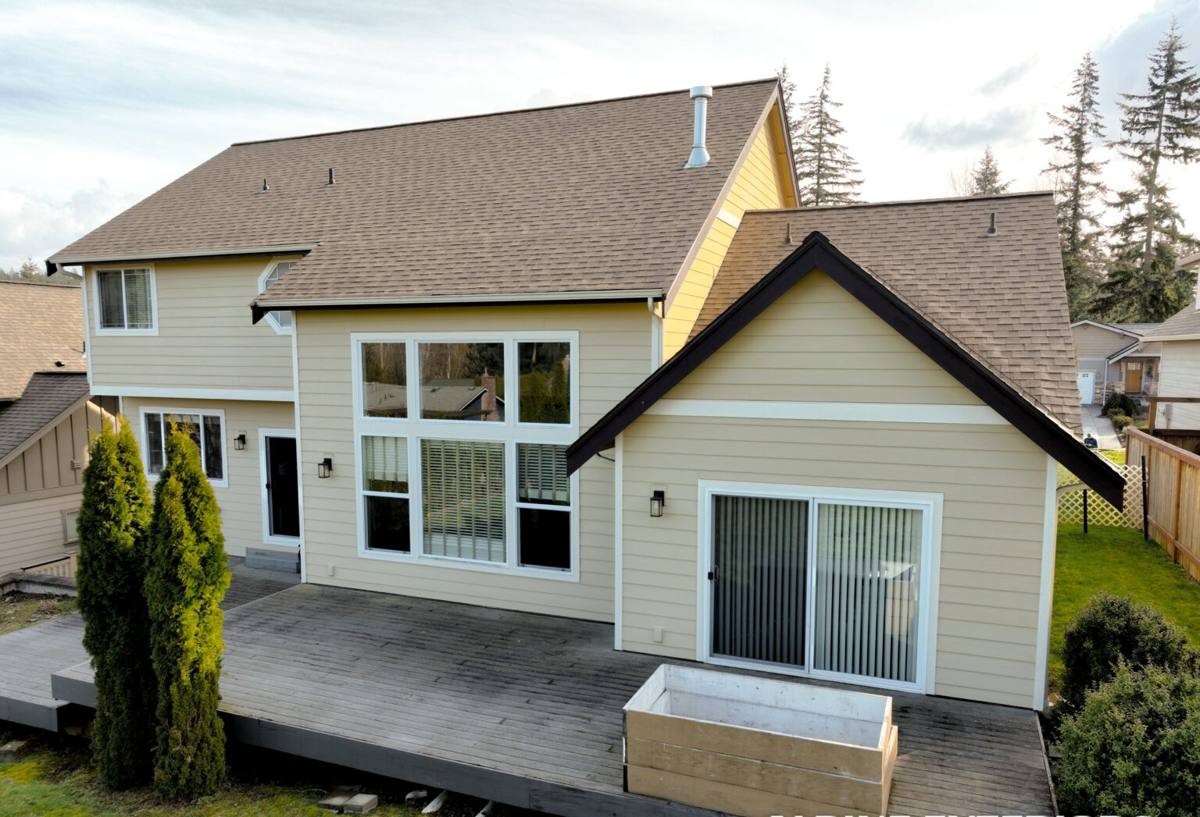
Signs a Pinellas Park Home Needs a New Roof, Not Another Repair
A patch can buy time, but it can't fix a roofing system that's past its usable life. Here's what tells us a full replacement is the honest recommendation rather than another repair:
- Granule loss heavy enough that you're finding grit in gutters and downspouts every time it rains
- Shingles that are curling, cupping, or cracking across multiple slopes, not just one isolated area
- Soft spots in the decking when walked, or visible sagging along a roofline
- Repeated leaks in different locations after storms, rather than the same spot every time
- A roof that's 18+ years old and has never had underlayment or flashing upgraded
- Visible fastener corrosion or rust streaking near metal flashing and vents — a sign salt air has been working on it for years
If a roof only shows one or two of these, a targeted repair is usually the more honest answer, and we'll say so. Replacement makes sense once the underlying system — not just the surface — is compromised.
What a Correct New Roof Installation Actually Involves
The Deck Comes First
Before any new roofing material goes down, the decking underneath has to be sound. Water finds its way through even a well-maintained roof eventually, and by the time a home is ready for full replacement, it's common to find some soft or delaminated plywood, especially around old vent penetrations or valleys. We inspect and replace bad decking as part of the job — not as a surprise line item after the tear-off is already done.
Underlayment and Water Barrier
This layer matters more in coastal Pinellas County than almost anywhere else in the state. Wind-driven rain during tropical storms doesn't fall straight down — it gets pushed under shingle edges and through nail holes at an angle. A properly installed underlayment system, including self-adhering membrane at eaves, valleys, and penetrations, is what actually keeps that water out when wind gusts are pushing rain sideways.
Flashing Details
Flashing around chimneys, walls, skylights, and roof-to-wall transitions is where most leaks originate on an otherwise healthy roof. New flashing, correctly lapped and sealed rather than just caulked over old metal, is a non-negotiable part of a correct installation — not an upsell.
Fastening for Wind
Florida building code sets minimum nailing patterns and fastener requirements based on wind zone, and Pinellas Park's coastal exposure puts it in a higher wind-speed category than many inland Florida communities. Correct fastener count, placement, and type isn't optional here — it's the difference between a roof that stays intact in a bad storm and one that doesn't.
Roofing Material Options for Pinellas Park Homes
There's no single "best" roofing material for every home — it depends on the roof's slope, the home's structure, budget, and how long the owner plans to stay in the house. Here's an honest comparison of what we install most often in this area:
| Material | Typical Lifespan | Wind Performance | Considerations for This Area |
|---|---|---|---|
| Architectural (laminate) shingles | 20–30 years | Good, when rated and installed for local wind zone | Best balance of cost and durability for most homes; wide color range |
| 3-tab shingles | 15–20 years | Lower wind rating than architectural | Lower upfront cost, but shorter service life in coastal wind and UV |
| Standing seam metal | 40–50+ years | Excellent when properly fastened | Higher upfront cost; handles salt air and UV well over the long run |
| Concrete or clay tile | 40–50+ years | Very good, but individual tiles can crack from impact | Heavier — requires structure to support the load; common on older homes in the area |
We'll walk through which option fits a specific home and budget rather than pushing one product for every job. Each has real trade-offs in maintenance, upfront cost, and how it ages under this region's UV and salt exposure.
Our Installation Process, Start to Finish
- On-site inspection and estimate — we look at the existing roof, attic ventilation, and any problem areas before quoting anything
- Material selection — we go over the realistic options for the home's structure and the homeowner's budget and timeline
- Permitting — we pull the required permit through Pinellas County or the applicable local jurisdiction before work begins
- Tear-off and deck inspection — old roofing is fully removed so the decking can be checked and repaired as needed
- Underlayment and flashing installation — the water-barrier layer and all flashing details go in before the finish material
- New roof installation — installed to manufacturer specification and local code fastening requirements
- Cleanup and magnetic nail sweep — job site and yard cleared of debris and stray fasteners
- Final walkthrough and permit closeout — we review the finished roof with the homeowner and close out the permit with the county
Permits, Wind Mitigation, and Insurance
A new roof in Pinellas Park requires a permit, and that permit protects the homeowner as much as it protects us — it means the work gets inspected against current Florida Building Code wind and water-resistance standards, not just installed and left. We handle the permit process as a standard part of the job.
A new roof is also one of the biggest single factors in a wind mitigation inspection, which can affect windstorm insurance premiums. Once a new roof is installed to current code, it's worth getting an updated wind mitigation inspection — the roof's age, deck attachment, and roof-to-wall connections are all scored, and a fresh, correctly installed roof generally scores better than an aging one. We can't quote a specific savings figure since that depends on the insurer, but it's a conversation worth having with an agent once the roof is done.
Attic Ventilation Matters As Much As the Roof Itself
A new roof installed over a poorly ventilated attic won't perform the way it should. In this climate, attic temperatures can climb well past 130°F on a summer afternoon, and heat that has nowhere to escape works against shingles from underneath — shortening their life regardless of how well they're installed on top. Balanced intake and exhaust ventilation, matched to the attic's size and roof design, is something we evaluate and correct as part of a new roof installation, not something we treat as a separate add-on.
Why a Crew That Already Works Pinellas Park Matters
Roofing code, wind zone requirements, and permitting steps vary by jurisdiction, and a crew that regularly works in Pinellas Park already knows the local permitting office, the inspection expectations, and the wind zone requirements that apply here — not just generic statewide code. That familiarity shows up in fewer surprises during inspection and a process that moves without back-and-forth delays.
It also matters for follow-up. A roofing crew based nearby in Seminole is realistically available if a question comes up after a storm, rather than a company that installed the roof once and is difficult to reach afterward.
What to Ask Before Hiring Anyone for This Job
- Are you licensed to perform roofing work in Florida, and can you provide proof of insurance?
- Will you pull the permit yourselves, or is that left to the homeowner?
- What underlayment and flashing materials are included, specifically — not just the shingle or tile brand?
- What's your plan for attic ventilation as part of this job?
- Will decking replacement be quoted upfront as an allowance, or only discovered — and priced — after tear-off?
- What's the manufacturer's warranty, and is it tied to a specific certified installation process?
A contractor who answers these clearly and specifically, without vague reassurances, is one worth trusting with a roof over your home.
If a Pinellas Park roof is showing its age or storm damage, we're happy to take a look and give a straight answer about repair versus replacement — no pressure, no inflated estimate to scare you into a decision. Fill out the form below for a free estimate from our Seminole-based crew.