 Seminole Siding
 Siding Replacement for Pinellas Park Homes
Pinellas Park sits inland from the Gulf but still gets the full weather package that defines exterior work anywhere in Pinellas County: tropical storm systems that bring sustained high winds and horizontal rain, summer heat that keeps UV exposure high nearly year-round, and enough proximity to Tampa Bay and the Gulf that salt-laden air reaches homes here too. Siding on these homes isn't decorative — it's the layer standing between that weather and the wood framing, insulation, and drywall inside. When it starts failing, replacement is usually the honest answer, not another round of caulk and patch.
This page covers what full siding replacement looks like for a Pinellas Park home specifically: why the climate matters, what a job done correctly involves, how our process runs from first look to final walk-through, and why it's worth hiring a crew that already knows this part of Pinellas County rather than a company working from a template.
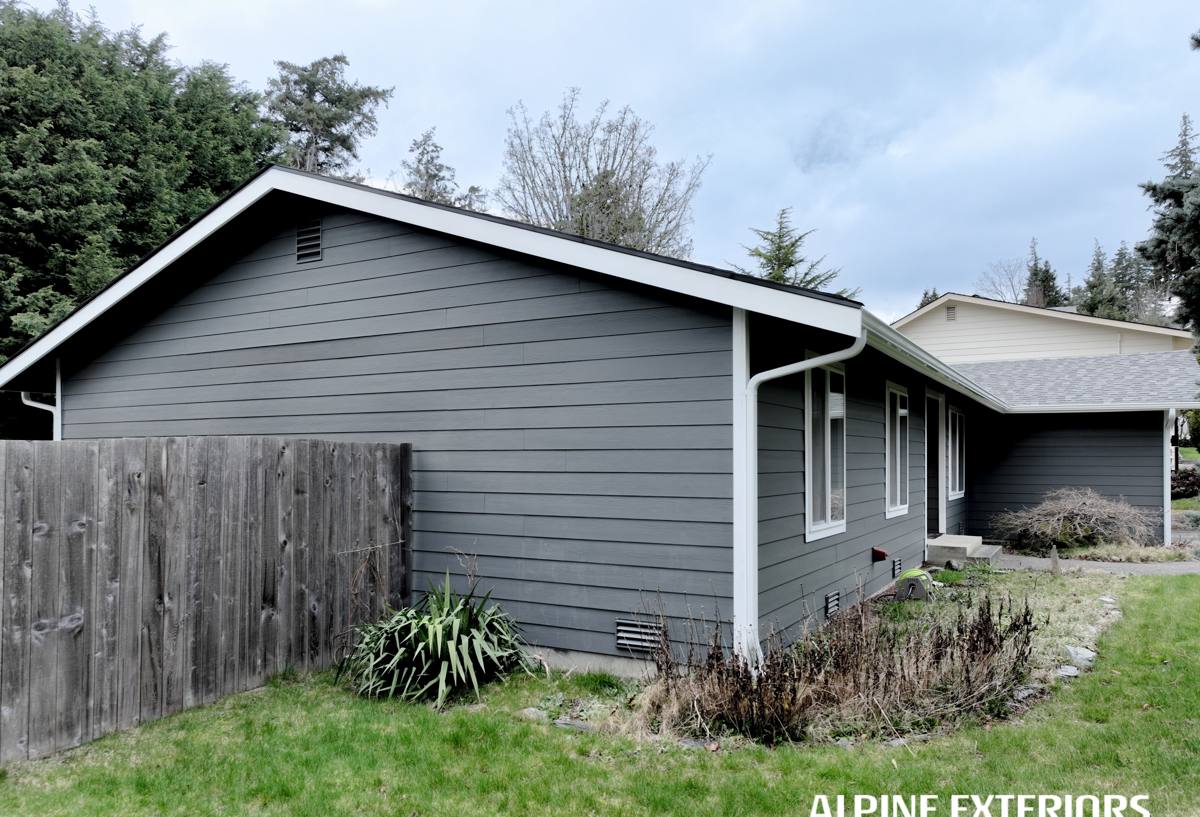
What Pinellas County's Climate Does to Siding
Hurricane-Force Wind
Every siding product installed in this region has to survive wind loads, not just look good on a calm day. Wind doesn't just push on a wall — it gets underneath loose panels and lap edges, pries at fastener points, and turns debris into an impact hazard during a storm. Siding that isn't rated and installed for local wind exposure is one of the more common sources of storm damage claims after a hurricane passes through the Tampa Bay area.
Intense, Year-Round UV
Florida sun is stronger and more constant than most siding products were originally engineered for. UV breaks down pigments and surface coatings over time, which is why so many older homes in this area show chalking, fading, or a visibly different color on the sun-facing side of the house compared to the shaded side.
Wind-Driven Rain
Rain in Pinellas County rarely falls straight down during the storms that matter. Wind pushes it sideways and up under laps, around trim, and into any gap in the water-resistive barrier. Siding systems that rely on caulk alone to stay watertight, rather than proper lapping and flashing, tend to let moisture in exactly when it matters most.
Salt Air
Pinellas Park isn't beachfront, but it's close enough to Tampa Bay and the Gulf that airborne salt still reaches homes here, especially on windy days. Salt accelerates corrosion on fasteners and metal trim and can degrade certain coatings faster than inland climates would.
Signs a Pinellas Park Home Needs Siding Replacement
Not every siding problem calls for a full tear-off. But there's a point where patching stops being a real fix and starts being a way to delay the inevitable while moisture keeps working on the structure underneath. Watch for:
- Soft, spongy, or crumbling spots when you press on the siding, especially near the bottom courses and around windows
- Visible warping, buckling, or panels that no longer sit flat against the wall
- Paint that keeps failing in the same spots no matter how often it's redone
- Cracking or splitting along panel edges and seams
- Musty odors or discoloration on interior walls that back up to exterior siding
- Rust streaks around fasteners or trim
- Siding that's more than 20-25 years old, especially if it was never rated for this climate to begin with
Any one of these can sometimes be repaired locally. Several of them together, especially with signs of moisture behind the siding, usually mean the assembly has failed and replacement is the more honest recommendation.
What a Correct Siding Replacement Job Actually Involves
Tear-Off and Substrate Inspection
A real replacement starts with removing the old siding down to the sheathing, not installing over it. That's the only way to find out what's actually happening underneath — soft sheathing, old water damage, or framing that needs attention before new siding goes up. Covering over a compromised substrate just hides the problem for a while.
Moisture Barrier and Flashing
A weather-resistive barrier goes over the sheathing, and flashing gets installed at every window, door, and penetration so that any water that does get behind the siding has a way to drain out instead of sitting against the wall. This is the part of the job that never shows once it's finished, and it's also the part that determines whether the house stays dry for the next few decades.
Fastening and Clearances
Fastener type, spacing, and depth all matter more in a wind-driven-rain climate than in milder regions, and they need to match the manufacturer's specification for the wind exposure this area actually sees. Proper clearance from grade, roofing, and other transitions also keeps siding out of standing water and away from where debris and lawn equipment can damage it.
Factory Finish, Not Field Paint
Wherever possible, we use products with a factory-applied finish rather than relying on field-applied paint to do the long-term work of blocking Florida UV and moisture. Factory finishes are more consistent and hold up longer than paint applied on site under variable weather conditions.
Why We Install Only James Hardie Fiber Cement
We standardized on James Hardie fiber cement siding for every home we work on, including in Pinellas Park, because it's built for exactly the conditions described above. It's non-combustible, it doesn't absorb and swell with moisture the way wood-based products can, and Hardie's ColorPlus factory finish is engineered to resist Florida-strength UV and fading better than field-applied paint. Hardie also offers HZ5 product lines specifically engineered for high-humidity, storm-prone climates like ours, backed by a strong transferable warranty when the installation is done to spec.
We don't install vinyl, LP SmartSide, Cemplank, Allura, or primed wood siding. Each of those products has legitimate uses elsewhere, but none of them hold up as consistently under this specific combination of wind, UV, wind-driven rain, and salt air as correctly installed Hardie fiber cement does. Rather than install something we don't fully stand behind, we've built our business around one product system we trust in this climate.
Our Replacement Process, Start to Finish
- On-site assessment. We walk the exterior, check for soft spots and moisture, and look at trim, flashing, and roofline transitions — not just the siding panels themselves.
- Written estimate. You get a clear scope of work and pricing before anything is scheduled, no pressure to sign on the spot.
- Tear-off and substrate check. Old siding comes off, sheathing gets inspected, and any needed repairs are identified and discussed with you before covering anything up.
- Weather barrier and flashing installation. This step gets done correctly whether or not it's visible in the final result, because it's what actually keeps water out.
- Hardie installation to manufacturer spec. Correct fastening, spacing, and clearances for our wind exposure and climate.
- Trim, caulking, and finish details. The details that make the job look finished and stay sealed.
- Final walk-through. We go over the finished work with you directly and address anything you want a second look at.
What Affects the Cost of a Siding Replacement
Every home is different, but the same handful of factors drive cost up or down on most Pinellas Park siding replacements:
| Factor | Why It Matters |
|---|---|
| Home size and wall complexity | More square footage and more corners, gables, and dormers mean more material and labor |
| Substrate condition | Rotted or water-damaged sheathing found during tear-off adds repair work before new siding can go on |
| Siding profile chosen | Lap width, panel style, and trim details affect material cost and installation time |
| Trim and detail work | Windows, doors, and architectural features each need their own flashing and finish work |
| Access and site conditions | Landscaping, fencing, and how close the home sits to neighboring structures can affect labor time |
| Existing siding removal | Multiple layers of old siding, or siding installed directly over problematic substrate, add to tear-off time |
We won't quote a number without seeing the home, but we'll walk you through exactly what's driving your estimate so there are no surprises once work starts.
Why Hiring a Crew That Already Works Pinellas Park Matters
A contractor who regularly works this part of Pinellas County already understands the wind exposure, humidity, and storm patterns that affect installation decisions here — they're not guessing or applying a generic national spec to a Florida home. That familiarity shows up in smaller ways too: knowing what permitting and inspection expectations look like locally, knowing which details tend to fail first on homes in this area, and being reachable afterward if a question comes up rather than having moved on to a job three states away. For a job that's supposed to protect your home for decades, that local track record is worth something.
After Installation: Warranty and Upkeep
Correctly installed Hardie siding is genuinely low-maintenance, but low-maintenance isn't the same as no-maintenance. An occasional rinse to clear off salt residue and general dirt, prompt attention to any caulking that starts to fail around trim, and keeping an eye on areas where sprinklers or landscaping throw water directly at the wall will go a long way. James Hardie's product warranty is transferable, which matters if you ever sell the home, and we stand behind our installation work directly — if something isn't right, you call us, not a national call center.
If your Pinellas Park home's siding is showing its age or you're just not sure whether repair or replacement makes more sense, we're happy to take a look and give you a straight answer. Reach out for a free, no-pressure estimate using the form below.