 Seminole Siding
 Storm Damage Roof Repair for Pinellas Park Homes
Pinellas Park sits in the middle of a peninsula that takes weather from three directions at once — Tampa Bay to the east, the Gulf to the west, and whatever tropical system happens to be tracking up the coast that season. Roofs here don't just deal with an occasional bad storm; they deal with a long, cumulative grind of wind, rain, and sun that eventually finds every weak point in a roofing system. When a named storm or a fast-moving summer squall finally does the damage, it's usually revealing a problem that had already been building for a while.
This page covers what storm damage roof repair actually looks like for homes in and around Pinellas Park, what a correct repair involves, and why it matters to work with a crew that already knows this area's roofs — not one that only shows up after a hurricane warning.
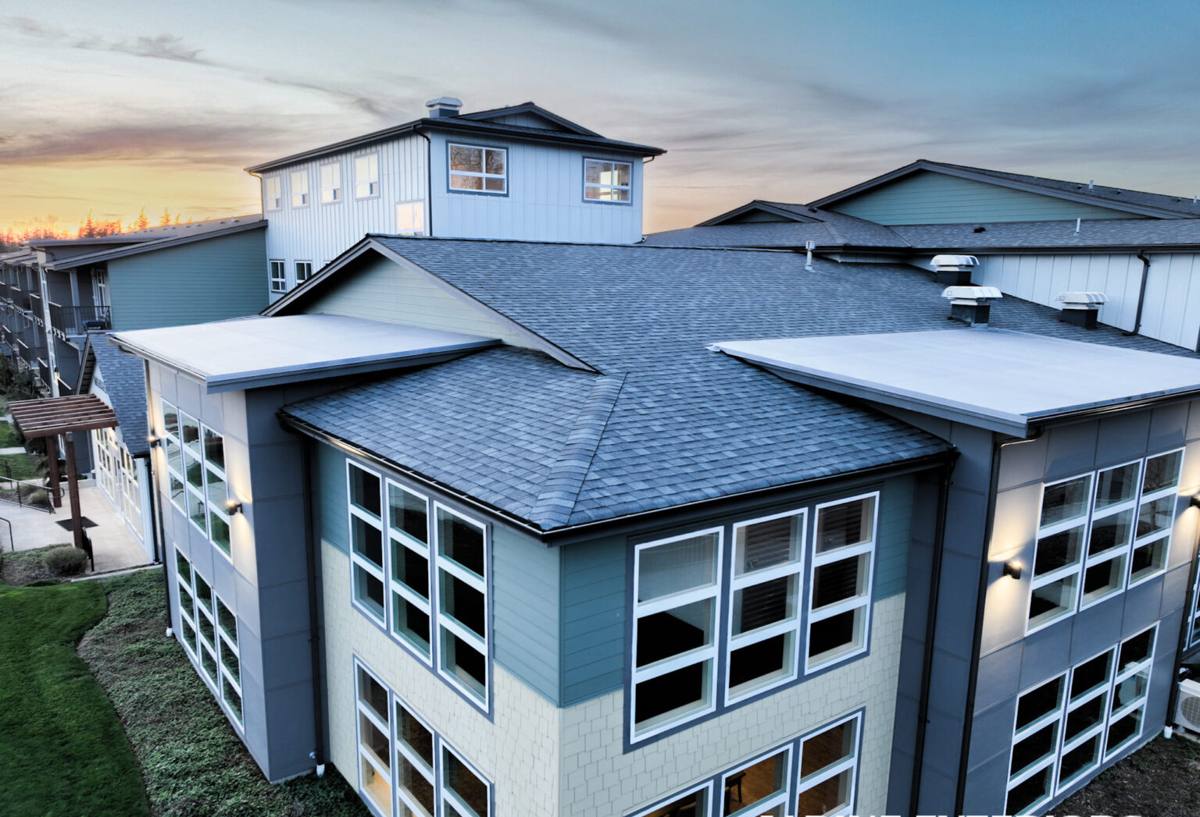
What Pinellas County's Climate Does to a Roof
Roofing material is rated and installed with certain assumptions about wind, moisture, and sun exposure. In Pinellas Park, those assumptions get tested constantly:
Wind and Uplift
Sustained tropical-storm and hurricane-force winds create uplift pressure at roof edges, corners, and ridge lines — the areas most likely to lose shingles, tiles, or flashing first. Even storms that don't make landfall directly can send strong outer bands through Pinellas County, and repeated wind events loosen fasteners and seals gradually, not just all at once.
Wind-Driven Rain
Florida rain rarely falls straight down during a storm. Wind-driven rain gets pushed sideways and upward under shingle tabs, around vent boots, and behind flashing that would otherwise shed water fine in calm conditions. This is why a roof can look intact from the ground after a storm and still be leaking into the attic.
Year-Round UV Exposure
Central Florida gets intense, near-constant sun exposure. UV breaks down asphalt shingle oils and adhesives over time, making them brittle and more likely to crack or lift during the next wind event, rather than flex with it.
Salt Air
Being close to both the Gulf and Tampa Bay means salt-laden air reaches roofs and metal components across Pinellas Park, accelerating corrosion on fasteners, flashing, and any exposed metal edges — a slow process that weakens a roof's ability to hold up in the next storm.
What Counts as Storm Damage
Not all storm-related roof problems are dramatic. Homeowners often picture missing shingles scattered across the yard, but a lot of storm damage is quieter and easier to miss:
- Lifted, curled, or missing shingle tabs, especially near ridges, edges, and valleys
- Cracked or displaced tiles on tile roofs, even without any visible gaps from the ground
- Bent, loose, or torn flashing around chimneys, skylights, and roof-to-wall transitions
- Granule loss that shows up as gritty runoff at downspouts or bald patches on shingles
- Soft spots or staining on interior ceilings that appear days after a storm, not immediately
- Debris impact marks from tree limbs, gutters, or wind-blown material
- Fascia or soffit separation where wind got underneath the roofline
Some of these are obvious on a walk-around. Others only show up on a proper roof inspection, which is why we recommend having a roof checked after any significant wind event, even if nothing looks wrong from the driveway.
What a Correct Storm Damage Repair Actually Involves
Storm repair isn't just patching the spot that's leaking. A repair done right addresses the cause, not just the symptom, and doesn't leave a hidden weak point for the next storm to find.
Full-Roof Assessment, Not Just the Visible Spot
Wind damage rarely stays confined to one area. If shingles lifted in one corner, the fasteners nearby were likely stressed too, even if they didn't fail yet. A correct repair means inspecting the whole roof plane, not just patching the one spot someone noticed from the ground.
Matching Materials and Techniques
Repairs should use materials compatible with what's already installed — matching shingle profile and, where possible, color, or matching tile style and profile on a tile roof. Mismatched materials can affect both appearance and how well the repair sheds water at the seams.
Proper Flashing and Sealing
Most roof leaks after a storm trace back to flashing and penetrations, not the field of the roof itself. Fixing the shingles or tiles without correctly resealing flashing around vents, chimneys, and valleys just sets up the same leak to return with the next wind-driven rain event.
Code-Compliant Work
Roof repairs in Pinellas County need to meet current Florida Building Code wind-resistance requirements for the work performed, and permitting requirements apply depending on the scope of repair. A repair that ignores this might look fine short-term but won't hold up structurally or pass inspection if it's ever reviewed.
Our Storm Damage Repair Process
When we're called out for storm damage in Pinellas Park, the process generally follows the same order:
1. Inspection and Documentation
We walk the roof (or use appropriate access methods depending on pitch and safety) to identify all damage, not just the obvious spots, and document everything with photos for both our records and any insurance claim.
2. Emergency Mitigation, If Needed
If there's active leaking or exposed decking, we prioritize temporary protection — tarping or sealing — to stop water intrusion before it causes secondary damage to insulation, drywall, or framing.
3. Repair Plan and Honest Recommendation
We explain what needs to be repaired, what can reasonably wait, and whether the damage is isolated or a sign the roof is nearing the end of its useful life. We'd rather tell you a repair is enough than push a replacement you don't need — or the reverse.
4. The Repair Work
Repairs are completed to match existing materials where possible, with attention to proper flashing, fastening patterns appropriate for wind exposure, and clean tie-in to the surrounding roof so the repaired section performs the same as the rest.
5. Final Walkthrough
We review the completed work with the homeowner and provide documentation useful for insurance purposes.
Repair or Replace? Key Factors
Storm damage doesn't automatically mean a full roof replacement, and it doesn't automatically mean a small patch will hold either. The right call depends on a few practical factors:
| Factor | Repair Is Often Enough | Replacement Is Usually the Better Call |
|---|---|---|
| Extent of damage | Isolated to one area or slope | Spread across multiple areas or the whole roof |
| Roof age | Roof is well within its expected lifespan | Roof is already near the end of its service life |
| Underlying condition | Decking and underlayment are sound | Rot, soft decking, or widespread underlayment failure found |
| Material availability | Matching shingles or tiles are available | Discontinued material makes a clean match impossible |
| Insurance scope | Adjuster approves repair-level scope | Adjuster or structural review determines full replacement is warranted |
We walk through these factors with you directly rather than defaulting to whichever option is more or less work for us.
Working With Insurance After a Storm
Most storm damage repairs in Pinellas Park go through a homeowner's insurance claim. A few things make that process smoother:
Thorough photo documentation of the damage before any repair work begins is important, since adjusters rely heavily on it. It also helps to have a written scope of work and cost estimate that clearly separates storm-related damage from any pre-existing maintenance issues, since insurers generally don't cover the latter. We provide documentation formatted to support a claim, but the claim itself is between the homeowner and their insurance company — we're not a public adjuster, and we won't tell you what to say on a claim. What we will do is give you an honest, accurate picture of the damage so your claim reflects what's actually there.
Why Hiring a Crew That Already Works Pinellas Park Matters
After a significant storm, it's common to see unfamiliar trucks and door-to-door offers in Pinellas County neighborhoods. Some are legitimate traveling crews; some aren't around long enough to stand behind their work once the storm season ends. A few reasons local, established experience matters here specifically:
- Familiarity with how wind typically damages roofs in this exact area — which slopes, edges, and roof styles tend to take the worst of it locally
- Existing knowledge of Pinellas County permitting and Florida Building Code wind requirements for repair work
- Ability to source materials that match what's commonly installed on homes built or reroofed in this area
- Accountability that doesn't disappear once storm season is over — someone you can call again next year
A roof repaired by a crew that understands Pinellas Park's specific mix of wind exposure, salt air, and sun load is more likely to hold up the next time a storm rolls through, not just look fixed in the meantime.
Protecting the Repair Going Forward
Once storm damage is repaired, a few habits help the roof hold up better against the next event and the ongoing climate stress in between storms:
- Have the roof inspected after any major wind event, even without visible leaks
- Keep gutters and downspouts clear so wind-driven rain has somewhere to go
- Trim back tree limbs that could impact the roof during high winds
- Address minor granule loss or small flashing issues before they become active leaks
- Keep documentation and photos of any repair work for future insurance reference
If your Pinellas Park home has visible or suspected storm damage — or you just want a second opinion after a rough weather week — we're glad to take a look. Reach out for a free, no-pressure estimate using the form below.