 Seminole Siding
 Asphalt Shingle Roofing Built for Redington's Coastal Exposure
Redington sits close to the Gulf on Pinellas County's barrier island strip, just west of Seminole. That location is the whole story when it comes to roofing. Homes here take a harder hit from sun, salt, and storm wind than homes even a few miles inland, and an asphalt shingle roof that isn't installed with that exposure in mind will show it early — curling edges, granule loss, lifted tabs, and leaks that show up years before they should. We install and repair asphalt shingle roofs for homes in and around Redington, and we build every roof for the specific conditions this stretch of coastline throws at it, not for a generic Florida spec.
This page covers what a correct shingle roof looks like for a Redington home, what our process involves, and what actually matters when you're choosing a crew to do the work.
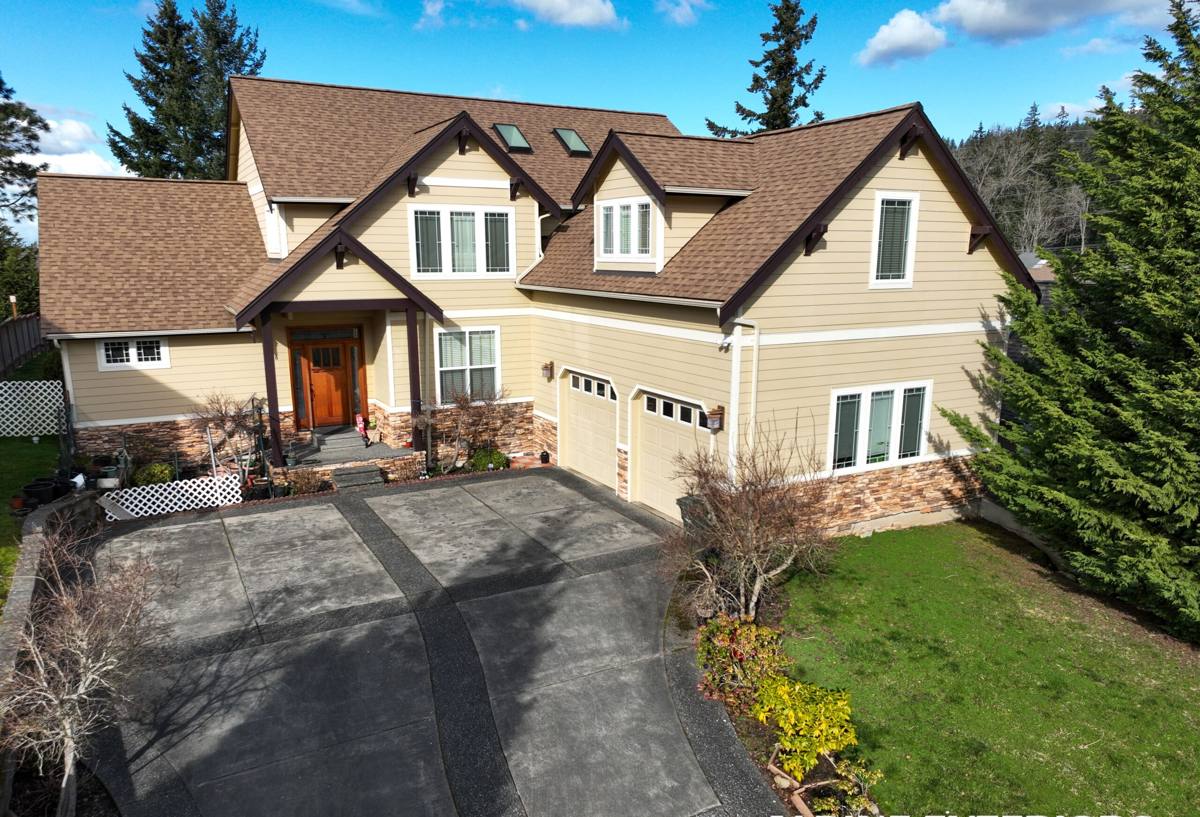
What Redington's Climate Actually Does to a Shingle Roof
Four things wear on roofs here harder than most other parts of the region:
- Hurricane-force wind: Being close to open Gulf water means higher sustained wind and gustier squall lines than inland Pinellas County sees, even outside of named storms. Shingles that aren't nailed and sealed correctly lift at the tabs first, then peel in strips.
- Year-round UV load: Florida sun doesn't take a season off. UV breaks down the asphalt in shingles over time, drying out the mat and shedding the protective granules that shield the roof from water.
- Wind-driven rain: It's not just how much rain falls — it's the angle it hits at. Wind-driven rain gets pushed sideways and upward under shingle edges, ridge caps, and flashing in a way that straight-down rain never would.
- Salt air: Airborne salt from the Gulf accelerates corrosion on every metal component of a roof — nails, flashing, vent stacks, drip edge — long before the shingles themselves are due for replacement.
None of this means asphalt shingles are a bad choice for Redington. They're still one of the most practical, cost-effective roofing options for this area. It means the installation details matter more here than they would in a low-exposure location, and cutting corners on those details costs homeowners more in the long run than it saves upfront.
What a Correct Installation Looks Like Here
Wind Rating and Nailing Pattern
Shingle wind ratings are only as good as the nailing pattern that puts them on the roof. Florida Building Code sets minimum requirements for fastener count and placement based on wind zone, and a home this close to the Gulf should be built to the upper end of what the shingle manufacturer allows, not the bare minimum. Six-nail patterns, correctly placed in the manufacturer's nailing zone, are standard on our installs in this area — four-nail patterns save time but give up wind resistance a coastal roof can't spare.
Underlayment
Underlayment is the roof's backup plan for the moments when wind-driven rain gets past the shingles themselves, which it will, eventually, on any roof. We use synthetic underlayment as standard because it holds up better to heat and handles better during installation than old-style felt, and we pay particular attention to overlap and fastening at eaves, valleys, and any roof-to-wall transitions — the spots where wind-driven rain actually gets in.
Flashing and Metal Components
Salt air is hardest on exposed metal, so flashing quality and material choice matter more here than inland. Rusted or undersized flashing around chimneys, skylights, and roof-to-wall junctions is one of the most common causes of leaks we find on older Redington roofs, and it's almost never the shingles themselves that failed first.
Ventilation
A shingle roof with poor attic ventilation runs hotter, which shortens shingle life and adds strain to your air conditioning. Balanced intake and exhaust ventilation is part of a correct install, not an upsell — it's a big part of why two roofs with the same shingle can age very differently.
Signs a Redington Roof Needs Attention
Because of the exposure here, we recommend Redington homeowners keep an eye out for these signs more proactively than a general "check your roof once a year" reminder would suggest:
- Shingle tabs that look lifted, curled, or cupped, especially after a windy stretch of weather
- Bald patches where granules have worn away, exposing the darker asphalt underneath
- Rust streaks running down from flashing, vent stacks, or nail heads
- Soft spots, sagging, or discoloration on interior ceilings, which usually means water has already gotten in
- Shingles or granules collecting in gutters after storms
- Visible daylight or gaps at the ridge line or around roof penetrations
- A roof approaching 15–20 years old that hasn't had a professional inspection recently
Any one of these on its own isn't necessarily an emergency, but on a coastal roof they tend to compound quickly. Catching them early is almost always cheaper than waiting for a leak to show up inside the house.
Our Asphalt Shingle Roofing Process
1. Inspection and Honest Assessment
We start by getting on the roof, not just looking at it from the ground. We check the shingles, flashing, underlayment condition where visible, ventilation, and the roof deck itself. If a roof can be repaired instead of replaced, we'll tell you that. If it needs replacement, we'll explain why in plain terms — not just "it's old."
2. Tear-Off and Deck Prep
For full replacements, we remove the old roofing down to the deck, not layer over it. This lets us actually see and address any damaged or soft decking underneath, which is common on older coastal roofs where past leaks went unnoticed for a while. Roofing over hidden deck damage just buries the problem under a new layer of shingles.
3. Underlayment and Flashing Installation
New underlayment goes down with attention to overlap and fastening at every vulnerable transition point, followed by new flashing at chimneys, walls, valleys, and penetrations. This is the step that determines how the roof handles wind-driven rain years down the road, so we don't rush it.
4. Shingle Installation
Shingles go on with the nailing pattern and starter/ridge details specified for this wind zone, aligned and sealed correctly so the wind-resistance rating of the shingle is actually achieved in practice, not just on paper.
5. Cleanup and Final Walkthrough
We clean the property of debris and nails, and walk the finished roof with you so you know what was done and what to watch for going forward.
Shingle Options for Redington Homes
Asphalt shingles come in a few tiers, and the right choice depends on budget, how long you plan to stay in the home, and how much wind and impact resistance you want built in from day one.
| Shingle Type | Typical Lifespan Here | Wind Resistance | Best For |
|---|---|---|---|
| 3-Tab | Shorter end of the range in coastal exposure | Lower wind rating, more prone to early tab lift | Budget-focused projects, secondary structures |
| Architectural / Laminate | Longer than 3-tab under the same conditions | Higher wind rating; heavier, more layered construction | Most Redington homes; our standard recommendation |
| Impact-Rated Architectural | Comparable to standard architectural | Highest wind and impact resistance; may qualify for insurance credits | Homes wanting maximum storm resilience, or where insurance discounts offset the added cost |
For most Redington homes, we recommend architectural shingles as the baseline — the extra material and higher wind rating pay for themselves in reduced maintenance and fewer storm-related repairs. Impact-rated shingles are worth a conversation for homeowners who want the highest level of storm protection or who want to explore the wind mitigation insurance credits discussed below.
Cost Factors for a Redington Reroof
We don't publish blanket pricing because every roof is different, but these are the factors that actually move the number on a shingle roofing project in this area:
| Factor | Why It Matters |
|---|---|
| Roof size and pitch | More surface area and steeper slopes both increase labor and material |
| Shingle tier chosen | 3-tab, architectural, and impact-rated shingles carry different material costs |
| Deck condition | Soft or damaged decking found during tear-off adds repair work before shingles go on |
| Number of penetrations | Chimneys, skylights, and vent stacks each need individual flashing work |
| Layers being removed | Tearing off multiple existing layers takes more labor than a single layer |
| Access and property layout | Roof access, landscaping, and staging space can affect labor time |
We walk through these factors with you during the estimate so the number you get reflects your actual roof, not a generic average.
Permits, Wind Mitigation, and Insurance
Roofing work in Pinellas County requires a permit, and we handle that process as part of the job rather than leaving it on the homeowner. Permitted work also matters for insurance: many carriers require documentation that a roof was installed to current code, and a properly permitted, code-compliant install is what makes a wind mitigation inspection meaningful afterward. A wind mitigation report can lower your windstorm insurance premium by documenting features like roof shape, deck attachment, and roof-to-wall connections — features that are set at the time of installation. It's worth asking your insurance agent about this once a new roof is in, since the savings can be meaningful over time in a high-wind coastal zone like Redington.
Why Hire a Crew That Already Works in Redington
Roofing code, wind zone requirements, and material behavior all vary by location, and a crew that mostly works well inland doesn't always carry the same habits over to a barrier-island job. A crew that regularly works in Redington already knows:
- What wind zone requirements apply to this specific stretch of coastline
- Which flashing and fastener materials hold up against salt air instead of corroding early
- How local permitting and inspection actually works, so the job doesn't stall
- What failure patterns show up first on coastal roofs, so inspections catch real problems instead of just the obvious ones
That local familiarity shows up in fewer callbacks, fewer surprises, and a roof that's actually built for the conditions it has to survive, not just built to a generic checklist.
If your Redington home needs a new asphalt shingle roof, a repair, or just an honest inspection to find out where things stand, we're happy to come take a look. Reach out using the form below for a free, no-pressure estimate.