 Seminole Siding
 Why Redington Beach Roofs Wear Out Faster Than Inland Homes
Redington Beach sits directly on the Gulf, and that location changes what a roof has to survive. Homes just a few blocks inland in Seminole deal with Florida's usual mix of sun, rain, and wind. Homes on the barrier island deal with all of that plus constant salt-laden air blowing straight off the water, higher sustained wind exposure with fewer trees and buildings to break it up, and humidity that rarely lets up. Asphalt shingles on a Gulf-front property tend to show wear years before an identical roof would inland — granule loss, curling edges, and fastener corrosion all move faster here.
Metal roofing holds up better against that specific combination, but only when the material, fasteners, and installation details are matched to a coastal environment. A metal roof installed the same way you'd install one in a landlocked neighborhood can corrode at the fasteners or panel edges well before it should. This page is about what a metal roof needs to actually perform on a Redington Beach home, not a generic rundown of metal roofing in general.
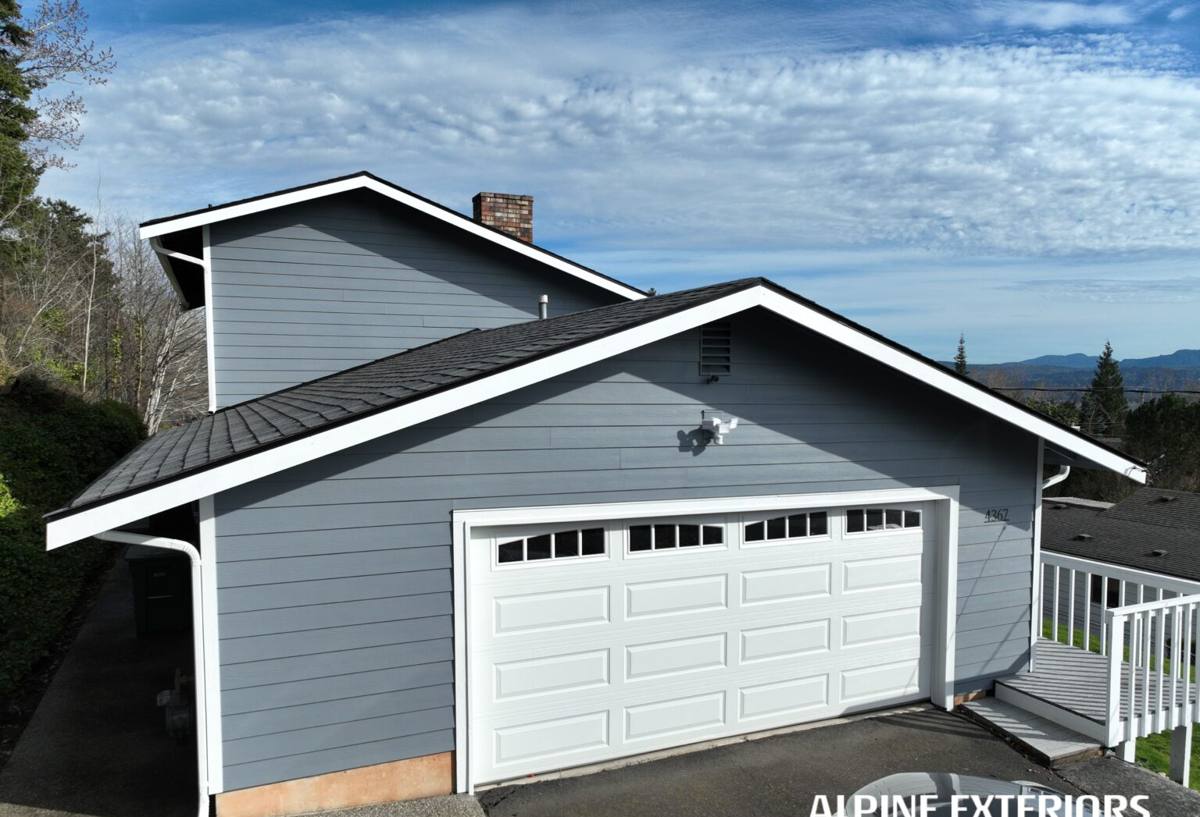
What "Correct" Looks Like on a Barrier Island Home
A metal roof that's right for this location isn't just about picking a panel style. It comes down to a handful of decisions that matter more here than they would ten miles inland:
- The metal type and coating are rated for direct salt spray, not just general coastal use.
- Fasteners and flashing are corrosion-resistant materials compatible with the panel metal — mixing incompatible metals causes galvanic corrosion, which shows up as pitting and staining around screws and seams.
- The deck underneath is sound, dry, and properly prepped before anything goes on top of it.
- Underlayment is a self-adhered, high-temperature product suited to Florida heat and wind-driven rain, not a basic felt.
- Panel attachment and edge details are built to the wind uplift pressures for a coastal Pinellas County location, not a standard inland spec.
Skip any one of these and the roof may still look fine going in — the problems show up two, five, or ten years later, usually at the fasteners, the flashing, or the edges first.
Standing Seam vs. Exposed-Fastener Panels
Standing seam metal roofing uses concealed clips and interlocking seams, with no exposed screws penetrating the panel face. Exposed-fastener panels are attached directly through the panel with screws and rubber-washered heads. Standing seam costs more up front but has no exposed fasteners for salt air to attack over time, and it handles thermal expansion better since panels aren't pinned in place. Exposed-fastener systems can still be a reasonable choice on the right structure — a shed roof, a porch, an outbuilding — but on a primary Gulf-front roof, we generally steer homeowners toward standing seam because the long-term maintenance burden is lower.
Choosing the Right Metal for Direct Salt Exposure
Not all metal roofing is the same once salt air gets involved. The two most common options for residential work are aluminum and coated steel, and the trade-offs matter more this close to the water.
| Factor | Aluminum | Coated Steel (Galvalume) |
|---|---|---|
| Salt air resistance | Naturally corrosion-resistant; does not rust | Good when coating is intact; more sensitive to coastal exposure than aluminum |
| Weight | Lighter | Heavier |
| Upfront cost | Higher | Moderate |
| Long-term coastal maintenance | Lower | Moderate — coating and cut edges need attention |
| Denting resistance | Softer, more prone to denting | Firmer, better dent resistance |
| Best fit | Direct Gulf-front, first row or two off the water | Set back from the water, still coastal Pinellas |
For homes directly on Redington Beach with an unobstructed line to the Gulf, aluminum is usually the more sensible long-term choice specifically because it doesn't rust — the failure mode you're trying to avoid with steel. For homes set back a bit, or on streets with more buildings and vegetation buffering direct salt spray, a quality coated steel system is often a reasonable, more budget-friendly option. We walk through this trade-off on site rather than defaulting to one answer for every roof.
Wind Performance: Fasteners, Underlayment, and Uplift
Wind is the other half of the equation. Coastal Pinellas County wind design pressures increase the closer a property sits to open water, and Redington Beach's exposure puts it near the top of that range for the area. A metal roof's wind performance comes down to details that aren't visible once the job is done:
- Panel attachment spacing — clip or fastener spacing tightens up at eaves, ridges, and rakes, where uplift forces concentrate.
- Fastener quality — corrosion-resistant screws with intact rubber washers, matched to the panel metal to avoid galvanic reaction.
- Underlayment — a self-adhered underlayment that seals around fastener penetrations helps keep wind-driven rain out even if a panel is compromised in a storm.
- Edge and ridge detailing — where most wind failures actually start; a panel field can be installed correctly and still fail at a weak edge termination.
Florida product approval numbers exist for a reason — they document that a specific panel, fastening pattern, and underlayment combination has been tested to a wind pressure rating. On a Redington Beach job, we confirm the assembly is approved for the wind pressures that specific property needs, not just approved in general.
Permitting on a Small Barrier Island Town
Redington Beach is a small, densely built Gulf-front community, and re-roofing here comes with a few realities worth knowing about going in. Permits go through the local building department and follow current Florida Building Code wind and re-roofing requirements. Many properties on the island are older beach cottages sitting alongside newer, elevated construction, and some have flood zone or elevation considerations that can affect what's involved in a roof replacement. Access is also tighter than a typical inland job — narrow streets, limited staging space, and closer proximity to neighboring homes all factor into how a tear-off and material delivery get planned.
None of this should be a surprise mid-project. Part of doing this work correctly is handling the permit and inspection process up front so the job isn't held up once it's started.
Our Installation Process
The steps themselves aren't unusual — what matters is doing each one to a coastal standard.
- Inspection and material selection. We look at the existing roof, deck condition, exposure direction, and talk through aluminum vs. steel and panel style for that specific property.
- Tear-off and deck assessment. Old roofing comes off and the deck gets inspected for rot or soft spots — common on older beach properties — and repaired before anything new goes down.
- Underlayment. A self-adhered, high-temperature underlayment goes down to protect against wind-driven rain and act as a secondary barrier.
- Panel installation. Panels go on to the fastening pattern the wind rating requires, with attention to consistent spacing and clean seams.
- Flashing and edge detail. Valleys, penetrations, and edges get flashed and sealed — this is where most future leaks would otherwise start.
- Final inspection and walkthrough. We check the finished roof against the plan and go over what maintenance the homeowner should expect.
Maintenance That Actually Extends Life at the Beach
Metal roofing needs less maintenance than shingles, but "less" isn't "none," especially this close to saltwater. A short annual routine catches problems while they're still minor:
- Rinse accumulated salt residue off the roof periodically, especially after long dry stretches without rain.
- Check fastener heads and washers for early signs of corrosion or backing out.
- Clear debris from valleys and around any roof penetrations so water doesn't pool.
- Look at flashing around chimneys, vents, and roof-to-wall transitions for gaps or lifted edges.
- After any major storm, do a visual check for dented, lifted, or displaced panels before small damage becomes a leak.
Why a Crew That Already Works Redington Beach Matters
A roofing crew that mostly works inland Pinellas County jobs isn't necessarily equipped for what a barrier island property actually needs. Working Redington Beach regularly means already knowing how tight island streets affect staging and delivery, what the local permitting process expects, how older beach cottage framing tends to differ from newer construction, and which fastener and coating combinations actually hold up under direct salt exposure instead of just looking good on install day. That local familiarity shows up in fewer surprises during the job and a roof that performs the way it's supposed to for years after the crew leaves.
If you're weighing metal roofing for a home in Redington Beach, we're happy to take a look and walk you through what makes sense for your specific property and exposure. Reach out for a free, no-pressure estimate using the form below.