 Seminole Siding
 Why Redington Beach Roofs Take More Punishment Than Most
Redington Beach sits on a narrow strip of Pinellas County coastline, which means every roof here deals with conditions that inland Florida homes simply don't face. Salt-laden air moves through the neighborhood day and night, sun exposure is close to constant, and when a tropical system or strong seasonal storm rolls through, this stretch of coast gets some of the harshest wind-driven rain in the region. A roof that would hold up fine in Tampa or inland Seminole can fail years early once you put it a few blocks from the Gulf.
That's the starting point for how we think about a new roof installation here. It isn't just about covering the house — it's about specifying materials, fasteners, and flashing details that are actually built for a barrier island exposure, and installing them the way the manufacturer and the Florida Building Code intend, not the way that's fastest.
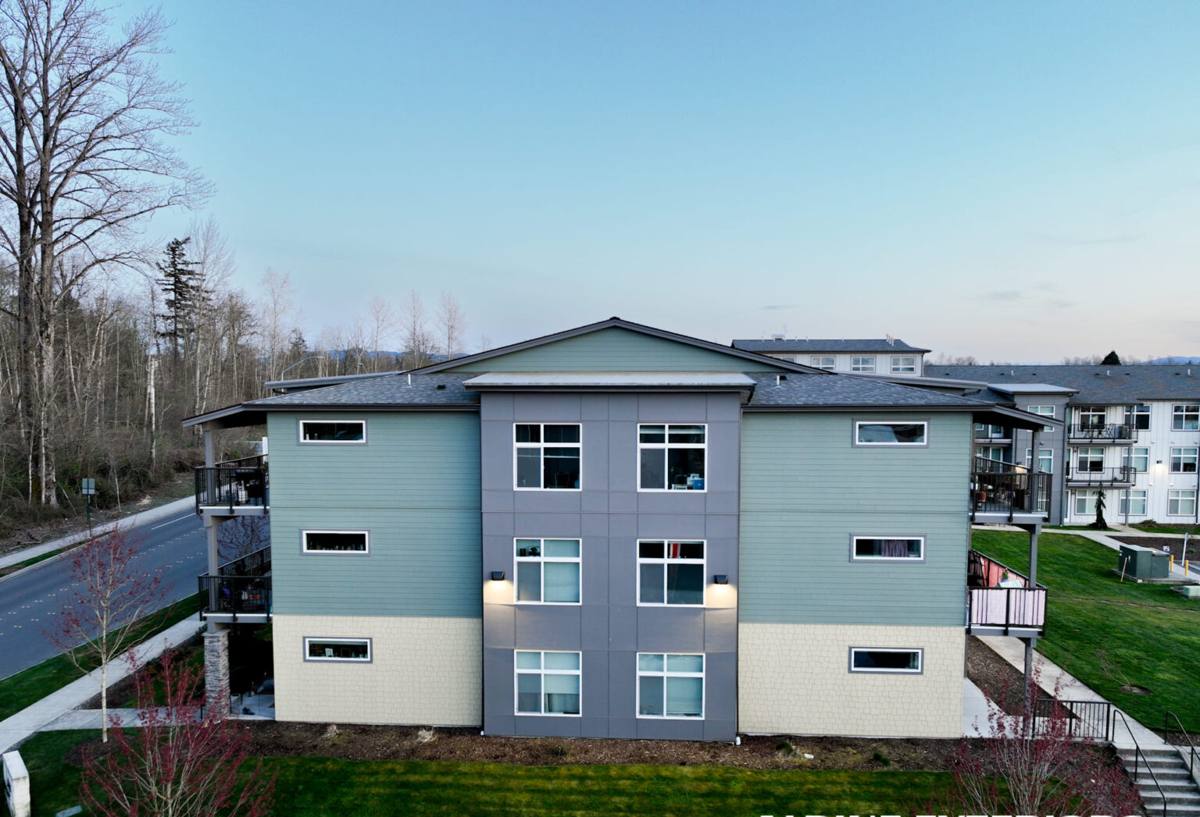
What Redington Beach's Coastal Climate Actually Demands From a Roof
Wind
Coastal Pinellas County is subject to some of the highest wind-design requirements anywhere in Florida. That affects more than shingle choice — it drives nailing patterns, fastener count, underlayment attachment, and how starter courses and hip/ridge caps get installed. A roof that's "up to code" inland may not meet the design pressures required this close to open water.
UV Exposure
Florida sun is intense nearly year-round, and there's little tree canopy shading most Redington Beach rooflines. Constant UV breaks down asphalt oils, dries out sealants, and fades color faster than in shadier inland neighborhoods. Materials and coatings rated for high-UV exposure last meaningfully longer here.
Salt Air and Moisture
Airborne salt accelerates corrosion on any exposed metal — flashing, fasteners, vents, drip edge — and it settles into granules and seams over time. Combined with humidity and frequent wind-driven rain, a roof assembly that isn't properly sealed and flashed will find water intrusion points a lot faster near the coast than a few miles inland.
Signs a Redington Beach Home Needs a New Roof, Not Another Repair
Coastal exposure shortens the useful life of a roof, so it's worth knowing when patching stops making sense. Common indicators we look for on inspections in this area include:
- Granule loss heavy enough that shingles look bald or blotchy in patches
- Curling, cracking, or cupped shingle edges from UV and heat cycling
- Soft spots, sagging, or visible deck movement underfoot
- Rusted or corroded flashing, vents, or exposed fasteners
- Repeated leaks in different spots after previous repairs
- Missing or lifted shingles after any recent windstorm
- Visible daylight or staining in the attic around penetrations
- A roof approaching or past its expected service life for its material type
One or two of these can often be repaired. Several at once, or a roof nearing the end of its rated life, usually means a full replacement is the more cost-effective and safer long-term move — patch jobs on an aging coastal roof tend to buy months, not years.
What a Correct New Roof Installation Actually Involves
Tear-Off and Deck Inspection
We remove the existing roofing down to the deck rather than layering over it. That's the only way to find rotted decking, soft spots, or hidden damage from past leaks — issues that get sealed in and hidden if a new roof is installed over the old one. Any damaged decking gets replaced before anything new goes down.
Underlayment and Water Barrier
Underlayment is the roof's real waterproofing layer, and it matters more on a coastal home than almost anywhere else in the county. We use underlayment systems suited to high-wind, high-moisture exposure, with self-adhering membrane at eaves, valleys, and other vulnerable areas where wind-driven rain is most likely to find a way in.
Flashing Details
Most roof leaks trace back to flashing, not the field material itself — chimneys, skylights, wall intersections, vent pipes, and roof-to-wall transitions. We use corrosion-resistant flashing and install it in the correct sequence with the underlayment and roof covering, since salt air is unforgiving of shortcuts in these details.
Fastening and Wind Rating
Fastener type, spacing, and pattern are specified to meet the wind-design requirements for this location, not a generic minimum. That includes proper nailing zones on shingles, secured starter strips along eaves and rakes, and hip/ridge installation that won't lift in gusts. This is also the work that gets checked during a wind mitigation inspection, so doing it correctly the first time has value beyond just keeping the roof on.
Roofing Material Options for a Redington Beach Home
There's no single "best" roofing material for every coastal home — it depends on your roof's structure, your budget, and how long you want to go before the next replacement. Here's an honest comparison of the main options homeowners in this area weigh:
| Material | Wind Performance | Salt Air / UV Durability | Typical Lifespan |
|---|---|---|---|
| Architectural asphalt shingle | Strong when properly fastened; wind-rated product lines available | Good with quality granules and sealant strips; UV shortens life over time | Roughly 20-30 years |
| Standing seam metal | Excellent wind uplift resistance | Very good when finished with a marine-grade coating; fasteners need corrosion resistance | Roughly 40-60+ years |
| Concrete or clay tile | Excellent when installed with proper fastening/foam adhesion for local wind loads | Very good; largely unaffected by salt or UV | 50+ years |
Asphalt shingle remains the most common and most budget-friendly choice, and a properly installed, wind-rated architectural shingle performs well here. Metal and tile cost more upfront but ask less of you in maintenance and hold up longer against this coastline's combination of wind, salt, and sun. We'll walk through the real tradeoffs for your specific roof rather than pushing one product across the board.
How Our Installation Process Works
- On-site inspection and measurement. We look at the existing roof, deck condition, ventilation, and any problem areas specific to your home before quoting anything.
- Written estimate and material selection. You get a clear scope of work and material options, with honest pros and cons for a home in this exposure.
- Permitting. New roof installations require a permit through the applicable local building department, and we handle that process as part of the job.
- Tear-off and disposal. Old roofing comes off, debris is contained, and the deck is inspected and repaired as needed.
- Underlayment, flashing, and installation. The new system goes down in the correct sequence, with attention to every penetration, valley, and edge.
- Final inspection and cleanup. We do our own quality walk-through, coordinate any required municipal inspection, and clean the property — including a magnetic sweep for stray nails.
We keep you informed at each stage rather than disappearing until the invoice, since a roof replacement is disruptive enough without also being a mystery.
Permits, Codes, and Wind Mitigation in Pinellas County
New roof installations in Pinellas County are governed by the Florida Building Code, which sets specific wind-design and wind-borne debris requirements for coastal areas like Redington Beach. That means the code isn't optional detail work — it's the baseline for how the roof has to be built to legally pass inspection and to actually perform in a storm.
A properly documented new roof can also qualify your home for a wind mitigation inspection, which insurers use to calculate windstorm premium discounts. Features like a secondary water barrier, hip roof geometry, and code-compliant fastening can all factor into that inspection. We build to those standards as a matter of course, and we can provide the documentation you'll need to give your insurance carrier afterward.
Why Hiring a Crew That Already Works Redington Beach Matters
Roofing crews that mostly work inland don't always think in terms of salt exposure, wind-borne debris requirements, or the flashing details that matter most a few blocks from the water. A crew that regularly works this stretch of Pinellas County coastline already knows which fastener and flashing specs actually hold up here, understands the permitting process for local jurisdictions, and isn't guessing at how a design detail will perform in a coastal storm — because it's seen how the alternative fails.
That local familiarity also shows up in smaller ways: knowing realistic scheduling around storm season, understanding HOA or community aesthetic guidelines where they apply, and being available afterward if a question comes up rather than being three counties away.
What Affects the Cost of a New Roof Here
Every roof is different, but the same handful of factors drive most of the price variation we see on Redington Beach homes:
- Roof size and pitch — more square footage and steeper slopes mean more material and labor
- Material choice — asphalt shingle, metal, and tile occupy different price tiers
- Deck condition — rotted or damaged decking found during tear-off adds repair cost
- Roof complexity — valleys, dormers, skylights, and multiple penetrations add labor
- Wind-rating requirements — meeting local design pressures can affect fastener count and underlayment spec
- Access and disposal — steep or hard-to-access roofs, and debris removal, factor into labor cost
Rather than quote a number that doesn't mean anything without seeing your roof, we'll give you a specific, itemized estimate after an on-site look — with honest options at different budget levels, not a single take-it-or-leave-it price.
If your Redington Beach roof is aging, storm-damaged, or you're just planning ahead, we're happy to take a look and give you a straightforward, no-pressure estimate. Use the form below to get started.