 Seminole Siding
 Decking Built for Redington's Coastal Reality
Redington sits close enough to the Gulf that salt air, humidity, and intense sun are part of daily life for any outdoor structure. A deck here isn't just a backyard amenity — it's an exterior building component that has to survive conditions most manufacturers only test for in a lab. Homeowners who've lived through a few Florida summers already know the pattern: wood decking that looked great at installation starts graying, splintering, and cupping within a couple of seasons, and refinishing becomes a recurring chore instead of an occasional one. Composite decking was developed specifically to break that cycle, but only when it's specified and installed correctly for a climate like ours.
We work in Seminole and the surrounding Pinellas County communities, including Redington, regularly enough to know which details actually matter here versus which ones are marketing language. This page covers what a composite deck needs to hold up locally, what a correct installation looks like, and how we approach the job from first visit to final walkthrough.
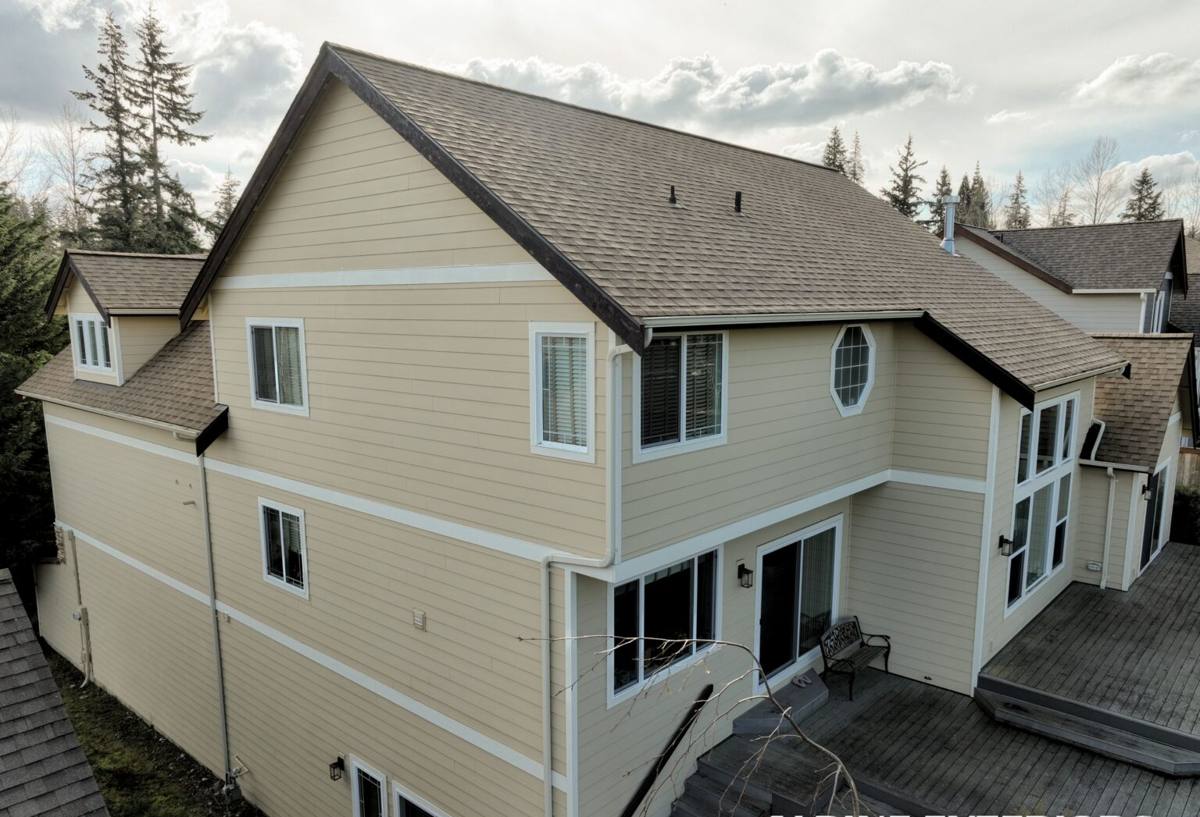
What Redington's Climate Does to a Deck
Before talking about materials, it helps to be specific about what a deck in this part of Pinellas County is actually up against:
- Salt air: Proximity to the Gulf means airborne salt settles on every exposed surface, accelerating corrosion of fasteners, hardware, and any metal components that aren't rated for coastal exposure.
- UV intensity: Florida gets some of the highest year-round UV exposure in the continental US. Untreated or low-grade decking materials fade, chalk, and degrade structurally faster here than almost anywhere else.
- Wind-driven rain: Storms don't just drop rain straight down — wind pushes moisture sideways and underneath structures, which means drainage and ventilation under the deck matter as much as the surface material.
- Hurricane-force wind loads: Ledger attachment, joist hangers, and fastening patterns all need to account for uplift and lateral load, not just static weight.
- Humidity and moisture cycling: Constant humidity, combined with sudden downpours and hot sun, puts wood-based products through repeated swell-and-shrink cycles that loosen fasteners and open joints over time.
Any one of these is manageable on its own. Together, applied continuously across a Florida year, they're why we steer homeowners toward composite systems and away from shortcuts in how those systems get installed.
Why Composite Over Wood in This Area
Composite decking blends wood fiber with plastic polymers, capped in most quality products with a protective shell that resists moisture absorption, UV fading, and insect damage. That combination addresses the specific failure points we see on wood decks in coastal Pinellas County:
| Concern | Wood Decking | Composite Decking |
|---|---|---|
| UV fading | Grays and dulls within 1-2 seasons without refinishing | Capped composites resist fading far longer; some carry fade warranties |
| Moisture absorption | Swells, cups, and splits with humidity/rain cycling | Minimal absorption in capped boards; dimensionally stable |
| Maintenance | Annual sanding, staining, or sealing recommended | Periodic washing; no sanding or sealing required |
| Splintering | Common as wood ages and dries out | Not a concern with composite material |
| Insect/rot risk | Present, especially in humid, shaded areas | Not a food source for insects; won't rot |
| Upfront cost | Lower material cost | Higher material cost, lower lifetime cost |
We're honest that composite isn't free of trade-offs. It costs more upfront than pressure-treated wood, it can run warmer underfoot in direct sun than some wood species, and the substructure beneath it still needs to be built correctly — composite decking doesn't fix a poorly framed deck, it just sits on top of one. That's why the installation matters as much as the material choice.
What a Correct Composite Deck Installation Involves
Substructure First
The framing underneath a composite deck carries the same wind and load requirements whether the surface is wood or composite. In a hurricane-prone area, that means properly sized and spaced joists, hurricane-rated hardware and connectors, and ledger attachment that's flashed and fastened to resist both vertical load and lateral pull from high wind events. We don't treat the substructure as an afterthought — it's inspected and built to hold up on its own, independent of whatever decking goes on top.
Fasteners and Hardware
Salt air is hard on standard fasteners. We use corrosion-resistant, coastal-rated hardware throughout — not just at the surface level, but in the joist hangers, ledger bolts, and any brackets that will be exposed to the same salt-laden air as the visible decking. Mixing marine-grade decking with bargain hardware underneath is a common shortcut that leads to hidden failure years down the line.
Ventilation and Drainage
Wind-driven rain gets underneath decks in Florida more than homeowners expect. Proper spacing between boards, a graded and drained substructure, and attention to how water moves away from the house foundation all matter for a deck that stays dry and structurally sound. A deck that traps moisture underneath invites mold, wood rot in the framing, and pest issues even if the visible composite surface looks fine.
Expansion Gaps
Composite materials expand and contract with heat, just at a slower and more predictable rate than wood. Installing boards without the manufacturer-specified gap leads to buckling in the intense summer heat we get here. This is a small detail that's easy to skip and expensive to fix after the fact.
Fastening Method
Hidden fastener systems keep the surface clean and free of exposed screw heads, which also removes small points where water and salt residue could otherwise sit and corrode a fastener over time. Where hidden systems aren't used, we make sure fastener spacing and torque follow the manufacturer's specification — overdriven screws crack composite boards, and underdriven ones work loose under thermal cycling.
Installation Checklist We Follow
- Verify existing structure (if replacing a deck) for hidden rot or damage before building on top of it
- Confirm joist spacing meets the composite manufacturer's span rating, not just standard wood spacing
- Use corrosion-resistant, coastal-rated fasteners and connectors throughout the substructure
- Flash and seal the ledger board attachment to the house properly
- Grade and vent the area beneath the deck for drainage
- Leave manufacturer-specified expansion gaps between boards and at fixed points
- Install fascia and edge trim to fully conceal cut ends and framing
- Walk the finished deck for level, fastener seating, and surface consistency before calling the job done
Permitting and Local Requirements
Deck construction in Pinellas County typically requires a permit, and inspections check that framing, attachment, and load paths meet current code — which in coastal Florida includes wind load provisions tied to our hurricane exposure. We handle the permitting process as part of the job rather than leaving it to the homeowner, and we build to pass inspection the first time rather than treating code minimums as optional.
Maintaining a Composite Deck in Redington
One of the real advantages of composite is how little upkeep it needs compared to wood, but "low-maintenance" doesn't mean "no maintenance" in a salt-air environment. A periodic rinse or light wash removes salt residue, pollen, and organic debris before it can build up in the board grain pattern. Keeping planters, grills, and furniture feet from trapping moisture against the surface also helps, as does checking that drainage beneath the deck hasn't been blocked by landscaping changes over time. None of this is labor-intensive — it's a fraction of what a wood deck demands — but a quick seasonal check goes a long way in this climate.
Why a Locally Experienced Crew Matters
Composite decking installation isn't exotic, but installing it correctly for a coastal Pinellas County property is different from installing it inland or in a drier climate. A crew that regularly works in Redington and the surrounding Seminole area already knows to spec coastal-rated hardware by default, already understands local permitting expectations, and has seen firsthand what happens to decks that were built with inland assumptions in mind. That experience shows up in details — flashing choices, fastener grade, expansion gap sizing — that aren't always visible on the day of installation but determine whether the deck is still performing well five or ten years later.
We also stand behind our own installation work, which matters more than any product warranty alone. A manufacturer's warranty typically covers material defects, not framing mistakes, poor drainage, or improper fastening — the things that actually cause most deck problems in this climate. Getting the installation right the first time is what protects the investment.
What to Expect When You Work With Us
We start with an on-site visit to look at the existing structure or space, discuss composite product options and pricing ranges, and talk through anything specific to the property — slope, drainage, proximity to the water, existing landscaping. From there we handle design details, permitting, material ordering, and the build itself, with a final walkthrough before we consider the job complete. We're straightforward about cost factors and timeline up front so there aren't surprises partway through.
If you're planning a new composite deck or replacing an aging wood deck in Redington, we're happy to take a look and give you an honest read on what your property needs. Reach out for a free, no-pressure estimate using the form below.