 Seminole Siding
 Redington Shores Sits in One of the Toughest Window Environments in Pinellas County
Redington Shores is a barrier island community, which means every window on a home here is doing a different job than the same window would do a few miles inland in Seminole proper. The Gulf is close enough that salt air reaches every surface, sun exposure is nearly constant, and when a storm does track through, these homes take the wind and wind-driven rain first. Windows here aren't just an architectural feature — they're one of the main things standing between the house and the weather.
When we talk about "custom windows" for a home in Redington Shores, we mean windows sized, engineered, and rated for that specific exposure, not a generic product pulled off a shelf. Custom doesn't just mean a nonstandard size or a decorative grid pattern. It means matching the window assembly — frame, glass, and installation method — to what this particular barrier island location actually demands.
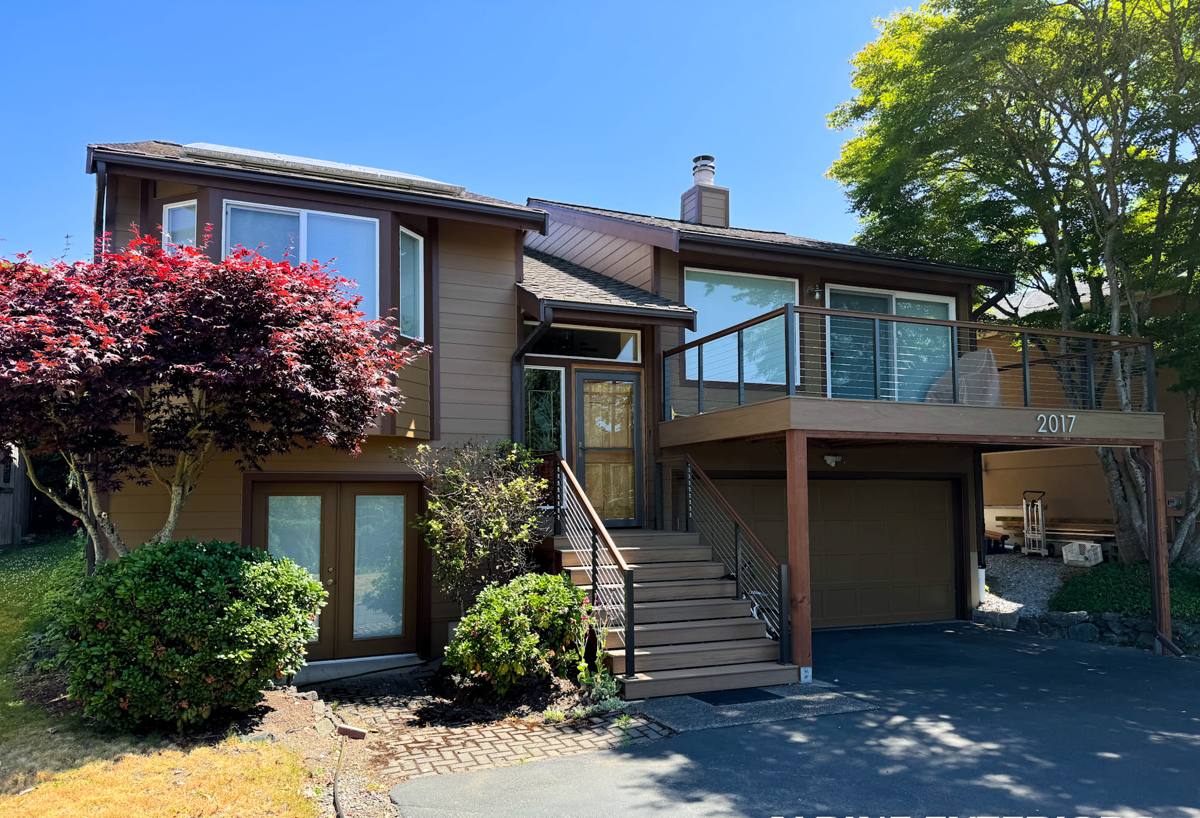
What Coastal Exposure Does to Windows Over Time
A few things happen to windows on the barrier islands that don't happen at the same rate a few miles inland:
- UV degradation — constant, direct sun breaks down vinyl, seals, and weatherstripping faster than in shaded or inland locations.
- Salt air corrosion — airborne salt attacks unprotected or lower-grade metal hardware, hinges, and fasteners.
- Wind-driven rain intrusion — even outside of named storms, sideways rain during regular squalls finds any weak point in flashing or sealant.
- Pressure cycling — repeated high-wind events flex frames and glass over years, which is why fastening and anchoring matter as much as the glass itself.
None of this means Redington Shores homes need to over-engineer everything. It means the parts of the window that are easy to overlook — hardware finish, sealant quality, anchoring into the substrate — deserve as much attention as the glass package itself.
What Florida Building Code Requires in This Zone
Pinellas County's coastal areas, including the barrier islands, fall within Florida's wind-borne debris region under the Florida Building Code. In practice, that means new and replacement windows generally need to meet impact standards — either impact-rated glass and framing, or an approved separate protective system — sized to the wind pressures calculated for that specific structure and its exposure category. The exact design pressure requirement isn't the same for every house; it depends on the home's height, roof shape, and distance from the water, among other factors.
This is also a permitted job. A legitimate contractor pulls a permit, and the installation gets inspected. If a company offers to skip that step "to save time," that's a red flag, not a convenience — it usually means the work isn't documented to code, which can create real problems at resale or with insurance.
Why This Matters Beyond the Code Minimum
Meeting code is the floor, not the goal. A window that barely passes its rating on paper but is installed with poor flashing or undersized anchors can still leak or fail prematurely. The rating tells you what the assembly is capable of in a lab test — the installation determines whether the house actually gets that performance in the field.
Impact-Rated vs. Non-Impact Windows: The Real Trade-Offs
Homeowners sometimes ask whether they can skip impact glass and rely on shutters instead. It's a legitimate question, and the honest answer is that both approaches can meet code, but they come with different day-to-day trade-offs.
| Factor | Impact-Rated Windows | Non-Impact + Shutters |
|---|---|---|
| Storm prep effort | None — windows are always protected | Shutters must be deployed before every storm |
| Daily appearance | Unobstructed view year-round | Clear view, but shutters change exterior look when closed |
| UV and noise reduction | Often improved due to laminated glass | No change to daily glass performance |
| Upfront cost | Higher per opening | Lower window cost, added shutter cost |
| Long-term maintenance | Seals and hardware need periodic inspection | Shutter tracks and hardware need their own upkeep |
For a home that's occupied seasonally, or where someone may not be there to put up shutters before a fast-moving storm, impact glass removes that dependency entirely. For a full-time resident who's diligent about storm prep, shutters remain a valid, code-compliant option. There's no universally "right" answer — it depends on how the home is used.
Frame and Glass Choices That Make Sense on the Islands
We generally steer Redington Shores customers toward frame materials and hardware finishes rated for coastal or marine-grade use, and away from anything that trades long-term corrosion resistance for a lower sticker price. That's not a knock on any particular brand — it's a matter of matching the product to the environment. A hardware finish that would be perfectly fine on an inland home can start showing corrosion within a few years of constant salt exposure a few blocks from the Gulf.
Frame material, glass thickness and interlayer, and hardware finish all affect how a window performs here over a 15-to-20-year span, not just on installation day. We walk through those options with each homeowner based on the specific side of the house being addressed — Gulf-facing openings, for example, often warrant a different spec than windows on a sheltered side of the same home.
What a Correct Custom Window Installation Actually Involves
A window is only as good as the opening it's set into. The parts of the job that don't show up in a brochure are usually the parts that determine whether it performs for the next two decades:
- Opening assessment — checking the existing rough opening, sill condition, and substrate for moisture damage or settling before anything is ordered.
- Accurate measurement and product selection — matching design pressure rating to that specific opening's exposure, not a blanket spec for the whole house.
- Removal without collateral damage — taking out the old unit cleanly so surrounding stucco, siding, or trim isn't compromised.
- Flashing and waterproofing — this is where most long-term leaks originate if skipped or rushed, and it matters more here than almost anywhere inland.
- Proper anchoring — fastener type, spacing, and embedment into sound substrate, per the manufacturer's tested installation instructions.
- Sealing and finish work — sealant rated for exterior, coastal exposure, plus interior and exterior trim restored to match the home.
- Inspection — the permitted job gets signed off by the local building department, which protects the homeowner's investment and insurance standing.
Skipping or rushing any one of these steps is how a correctly rated window still ends up leaking or underperforming in a storm. The product matters, but installation quality is what actually determines the outcome.
How Our Process Works
We keep the process straightforward and try not to waste a homeowner's time with unnecessary steps:
- On-site assessment — we look at each opening individually, note current condition, and discuss what the homeowner actually wants out of the windows (storm protection, noise reduction, appearance, or all three).
- Honest product recommendation — based on exposure, budget, and how the home is used, not a one-size push toward the highest-margin option.
- Written proposal — clear scope, product specifications, and pricing before any commitment.
- Permitting — we handle the permit application and coordinate the required inspections.
- Installation — done by a crew that has worked this specific stretch of Pinellas County's coastline and knows what its wind and moisture exposure demands.
- Final walkthrough — checking operation, seals, and finish work with the homeowner before calling the job done.
Maintaining Custom Windows in a Salt-Air Environment
Even a correctly installed, properly rated window benefits from basic upkeep in this climate. A short seasonal routine goes a long way:
- Rinse frames and hardware periodically to remove salt residue, especially on Gulf-facing sides of the home.
- Check weep holes and drainage paths to make sure they're clear of debris or paint overspray.
- Inspect exterior sealant annually for cracking or separation, particularly after storm season.
- Operate hardware (locks, cranks, latches) a few times a year even on windows that stay closed most of the time, so components don't seize.
- Watch for soft spots in surrounding stucco or trim, which can signal a moisture issue starting at the window perimeter.
Signs Your Current Windows Are Overdue for Replacement
Homeowners often wait longer than they should because window problems tend to show up gradually. Some practical signs it's time for an assessment:
- Visible fogging or moisture between glass panes, indicating a failed seal.
- Frames that feel soft, chalky, or show corrosion at hardware points.
- Difficulty opening, closing, or locking that wasn't there a few years ago.
- Noticeable air or water intrusion during wind-driven rain.
- Windows that predate current Florida Building Code wind requirements for this area.
Why Local Installation Experience Matters Here
Redington Shores isn't a generic Florida address — it's a specific barrier island exposure inside Pinellas County, with its own wind patterns, salt load, and building department requirements. A crew that regularly works this stretch of coastline already knows which openings tend to need extra attention, how the local permitting office likes documentation submitted, and what installation details actually hold up here versus a few miles inland. That familiarity shortens the job, reduces surprises, and gives the homeowner a straighter answer up front instead of guesswork.
If you're weighing custom windows for a home in Redington Shores, we're glad to come take a look, walk the openings with you, and put together a straightforward, no-pressure estimate — just fill out the form below to get started.