 Seminole Siding
 Windows on a Barrier Island Take a Different Kind of Beating
Redington Shores sits out on the barrier island strip between the Gulf of Mexico and Boca Ciega Bay, just west of Seminole. That location is part of what makes it such a desirable place to live, and it's also exactly why windows here fail faster than they do a few miles inland. Salt-laden air moves through these homes every day of the year, not just during storms. Add in Florida's UV load, sudden wind-driven downpours, and the real chance of a tropical system putting the whole island under a wind-borne debris warning, and you have a short list of conditions that will find every weak point in a window: soft seals, corroding hardware, frames that were never rated for the wind zone they're sitting in.
A window installed the way it would be in a landlocked subdivision won't hold up the same way out here. The materials, the flashing details, and the impact rating all need to match what a barrier island property actually experiences, not just the general Pinellas County average.
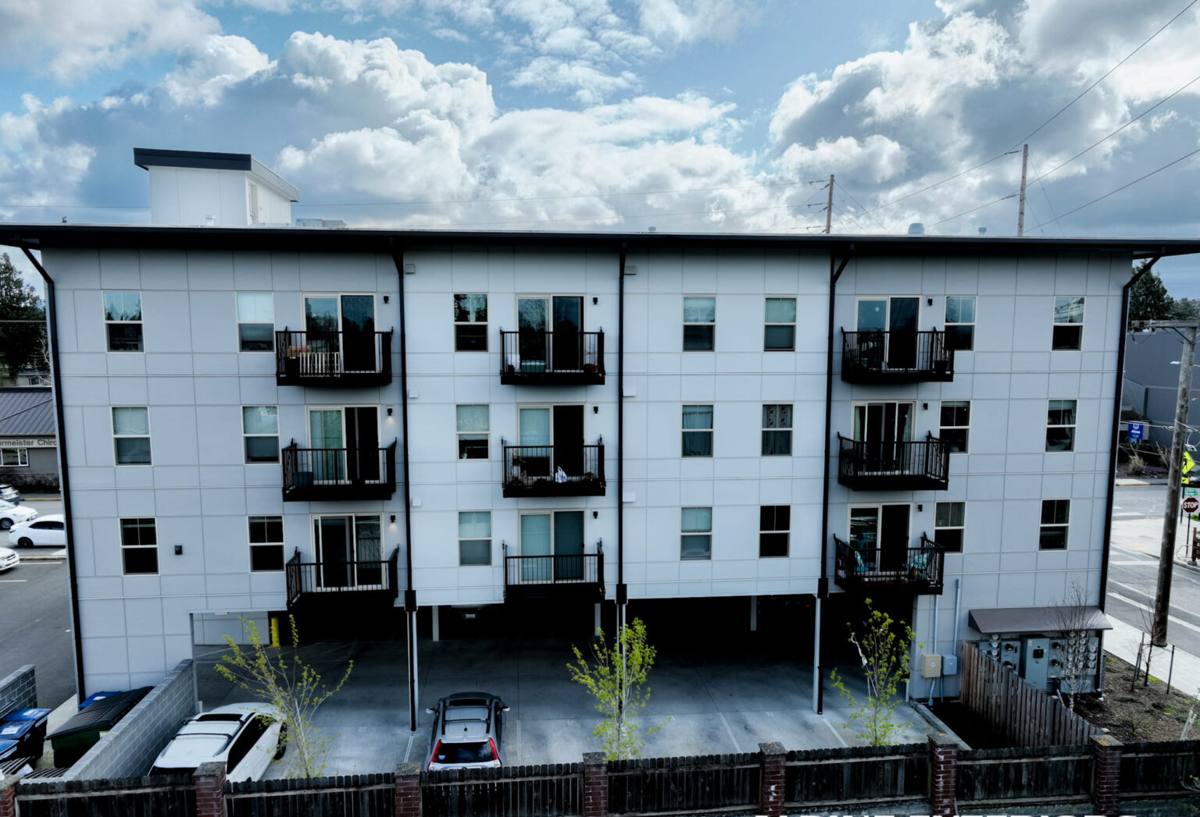
What Florida's Coastal Building Code Requires Here
Redington Shores falls within Florida's wind-borne debris region, which means new and replacement windows generally need to be either impact-rated (impact glass or an approved impact-resistant system) or paired with code-compliant shutters that can be deployed before a storm. Whichever route a homeowner chooses, the products used have to carry Florida Product Approval or Miami-Dade NOA documentation showing they're rated for the design wind pressures that apply to this address.
Window replacement in this area also requires a permit through the local building department, and the completed work has to pass inspection before it's considered done. This isn't paperwork for its own sake — it's the mechanism that confirms the window actually installed matches the window that was engineered and approved for a coastal wind zone. Skipping it, or hiring someone who treats it as optional, leaves the homeowner holding the liability if there's ever an insurance claim or a resale inspection.
Why This Matters at Resale and for Insurance
Impact-rated windows with documented permits and inspections are one of the few upgrades that can directly affect a Florida homeowner's wind mitigation credit and windstorm insurance premium. Buyers and their inspectors in coastal Pinellas County know to ask for that paperwork. A window job done without permits can turn into a problem years later, even if the windows themselves look fine.
What the Climate Actually Does to a Window Over Time
It helps to know what's working against your windows so you can judge whether a repair, a partial replacement, or a full replacement makes sense.
- Salt air corrosion: Metal fasteners, hinges, and lesser-grade frame hardware corrode faster this close to the Gulf. Once corrosion reaches the operating hardware, a window can start binding or failing to lock properly.
- UV degradation: Year-round Florida sun breaks down glazing sealants, vinyl, and gaskets over time, which is usually what shows up first as a hazy, brittle, or cracked seal around the glass.
- Wind-driven rain intrusion: Rain here doesn't just fall — it gets pushed sideways into any gap in flashing or sealant. Water staining below a window, or on the wall beneath it, is almost always a flashing or sealant failure, not a defect in the glass itself.
- Humidity and condensation: Persistent coastal humidity finds its way into failed seals faster than it would inland, which is why fogging between panes tends to show up sooner on older windows near the water.
Signs a Redington Shores Home Needs New Windows
Not every issue means a full replacement, but these are the signals worth having a contractor actually look at rather than ignoring:
- Fogging or a visible haze between the panes of a double-pane window (the seal has failed and can't be repaired)
- Windows that are difficult to open, close, or lock — often a sign of corroded hardware or a warped frame
- Visible daylight, drafts, or whistling around the frame during windy conditions
- Water staining, bubbling paint, or soft drywall on the wall below or beside a window
- Chalky, pitted, or discolored aluminum frames that no longer clean up
- Rising energy bills with no other explanation, especially on the sun-exposed side of the house
- Windows that predate current wind-borne debris code requirements and lack any impact rating or storm protection
What a Correct Installation Actually Involves
Tear-Out and Rough Opening Inspection
Removing the old window is also the only chance to see what's really going on behind it — whether the framing, sill, or surrounding stucco or block has taken on water damage over the years. On a barrier island home, this step matters more than usual, since a rushed tear-out can hide rot or corrosion that will undermine the new window from day one.
Flashing and Waterproofing
This is the step that separates a window that survives a coastal storm season from one that leaks the first time wind-driven rain hits it sideways. Proper flashing integration with the wall's existing water management, along with correctly applied sealant at every joint, is non-negotiable this close to the Gulf.
Product Selection and Setting
The window itself needs to be rated for the specific wind zone and, in many cases, for pressure and impact requirements tied to the home's location and height. Shimming, anchoring, and fastener spacing all need to follow the manufacturer's approved installation instructions exactly — that's what keeps the product approval valid.
Finish and Inspection
Interior and exterior trim work, final sealant tooling, and a clean job site come last, followed by the building department inspection that closes out the permit.
Comparing Frame Materials for a Coastal Property
There's no single "best" frame material for every home — it depends on budget, the home's exposure, and maintenance expectations. Here's how the common options generally compare for a property this close to the Gulf:
| Frame Material | Salt Air Performance | Maintenance | Typical Trade-Offs |
|---|---|---|---|
| Vinyl | Doesn't corrode; performs well near the coast | Low — occasional cleaning | Limited color options; can expand/contract with heat |
| Aluminum | Strong and rigid, but standard-grade aluminum can pit and corrode in salt air over time | Moderate — needs periodic inspection of finish and hardware | Marine-grade or coated aluminum costs more but holds up far better |
| Fiberglass/composite | Very good corrosion resistance and dimensional stability | Low | Higher upfront cost than vinyl |
| Wood (with cladding) | Poor without full protective cladding — not typically recommended this close to the water | High | Best reserved for interior-facing applications, if used at all |
Our standard is to steer coastal Pinellas County homeowners toward corrosion-resistant frames with marine-grade or stainless hardware, simply because the maintenance burden and premature failure risk of lower-grade materials shows up faster this close to the Gulf than it would inland.
Our Process for a Redington Shores Window Job
- On-site assessment: We look at every opening, the home's wind exposure, and the condition of the existing framing before recommending anything.
- Product and rating recommendation: We match window ratings and frame materials to the specific wind zone requirements for the address, not a generic county-wide default.
- Permitting: We handle the permit application and documentation needed for the local building department.
- Removal and prep: Old windows come out carefully so we can inspect and, if needed, repair the surrounding framing before anything new goes in.
- Installation: Windows are set, shimmed, flashed, and sealed to manufacturer specifications for the approved product.
- Inspection and walkthrough: We coordinate the building department inspection and walk the homeowner through the finished work.
What Affects the Cost of Window Installation Here
| Factor | Why It Matters |
|---|---|
| Impact rating required | Impact-rated glass and frames cost more upfront than standard windows plus shutters, but eliminate the step of deploying storm protection before every warning |
| Frame material | Vinyl, aluminum, and fiberglass carry different price points and different long-term salt-air performance |
| Number and size of openings | Larger openings and full-house replacements have different labor and structural considerations than a single window swap |
| Condition of the rough opening | Hidden rot, corrosion, or prior water damage found during tear-out can add repair scope |
| Story height and access | Second-story or hard-to-access openings on elevated coastal homes take more time and equipment |
| Permit and inspection requirements | Proper permitting adds a modest cost but protects the homeowner's insurance standing and resale value |
Why Local Experience in Redington Shores Matters
A crew that regularly works this stretch of the Pinellas County coastline already knows which wind zone requirements apply, which building departments to coordinate with, and what barrier island homes typically need in terms of framing repair and corrosion-resistant hardware. That familiarity shortens the guesswork, and it means fewer surprises mid-project — whether that's a permitting question or discovering the true condition of a wall once an old window comes out. For homeowners in Redington Shores and the surrounding Seminole area, that local track record is worth as much as the window itself.
If your windows are showing their age, letting in drafts, or you're simply ready to upgrade to something built for what this coastline actually dishes out, we're happy to take a look. Reach out for a free, no-pressure estimate using the form below.