 Seminole Siding
 Why St. Pete Beach Homes Put Siding Through More Than Most
A home a few blocks from the Gulf lives a different life than one ten miles inland. St. Pete Beach sits right at the edge of Pinellas County's barrier island system, which means every exterior surface on these homes deals with salt-laden air, near-constant humidity, and direct sun exposure almost year-round. Add in wind-driven rain during summer storms and the occasional hurricane threat, and you've got a combination that will find every weakness in a siding system within a few years if the wrong material or the wrong installation method gets used.
We install siding for homeowners throughout Seminole and the surrounding Pinellas County beach communities, and St. Pete Beach is one of the areas where we see the clearest gap between siding that was installed to look good on move-in day and siding that was installed to actually last. This page is about what a correct installation looks like specifically for a home in this kind of coastal exposure.
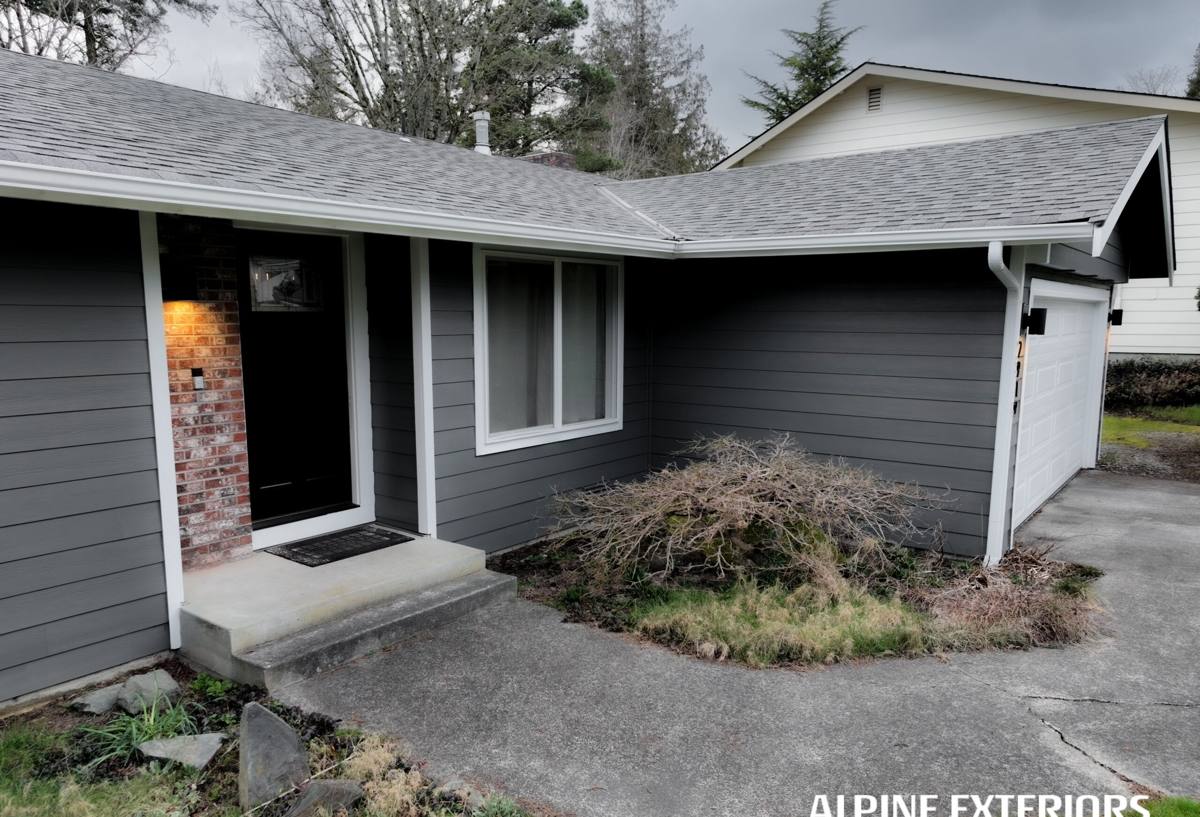
What Salt Air, UV, and Wind-Driven Rain Actually Do
Salt air is more than a nuisance smell coming off the water. Airborne salt is corrosive and hygroscopic, meaning it pulls moisture out of the air and holds it against whatever surface it lands on. Over time that constant low-grade moisture exposure works on fasteners, trim, and any siding material that isn't dimensionally stable or properly sealed at the joints.
UV exposure at this latitude is intense almost every month of the year, not just in summer. Materials that rely on surface paint film for their color and protection tend to chalk, fade, or crack faster here than they would farther north, which shortens the repaint cycle and, more importantly, opens the door for moisture to get behind the material once the film degrades.
Wind-driven rain is the third piece. During Gulf storms, rain doesn't just fall — it's pushed sideways into every seam, corner, and penetration on the wall. A siding system that isn't detailed correctly at those points won't fail dramatically on day one. It fails quietly, over a season or two, as water works its way behind the cladding and into the wall assembly where nobody sees it until there's a soft spot, a stain, or a mold smell.
Why This Matters More Near the Water
Homes a mile or two inland in Seminole still deal with Florida humidity and sun, but the salt exposure and wind loading drop off with distance from the Gulf. St. Pete Beach properties get the full combination, which is why we treat installations here with a different level of attention to sealing, fastening, and flashing than we might apply to a project further from the coast.
What a Correct Siding Installation Involves
Siding installation is not just fastening panels to a wall. On a coastal property, the parts nobody sees after the job is done are usually what determines whether the siding is still performing in ten or fifteen years.
Water-Resistive Barrier and Wall Prep
Before any siding goes up, the wall needs a continuous water-resistive barrier, correctly lapped so water sheds downward and outward rather than getting trapped. Any gaps, tears, or shortcuts here become the entry point for the wind-driven rain this area sees regularly. We check the substrate and barrier condition on every project rather than assuming what's underneath the old siding is sound.
Fastening for Wind Exposure
Pinellas County's coastal zones fall under wind-load requirements that are stricter than inland areas, and St. Pete Beach's exposure category means fastening patterns, fastener type, and nailing schedules matter more here than in a typical suburban install. Under-fastened or improperly spaced siding is one of the most common causes of panels lifting or cracking in high wind, and it's a detail that's invisible once the job looks finished — until the first big blow.
Flashing and Penetrations
Every window, door, hose bib, vent, and light fixture that penetrates the siding is a potential leak point. Correct flashing — installed in the right sequence relative to the water-resistive barrier and the siding itself — is what keeps wind-driven rain from working its way into the wall at these spots. This is detail work that takes time to do right, and it's also the work that's easiest to rush.
Fastener and Trim Material Selection
In a salt-air environment, fastener corrosion resistance isn't optional. We use fasteners and trim accessories rated for the exposure, not standard-grade hardware that may hold up fine inland but corrodes faster within a mile or two of the Gulf.
Our Process for a St. Pete Beach Installation
The steps below describe how we approach a siding installation project on a coastal Pinellas County home.
- On-site assessment. We look at the existing siding, wall substrate condition, and any signs of prior moisture intrusion around windows, corners, and low areas before quoting anything.
- Measurement and material planning. Exact measurements, panel layout, and trim planning to minimize seams and waste, with product selection matched to the home's exposure.
- Tear-off and substrate check. Removing existing siding gives us a direct look at sheathing and framing condition — problems found here get addressed before new siding goes up, not covered over.
- Water-resistive barrier installation or repair. Correct lapping and sealing at all seams, corners, and penetrations.
- Flashing at all penetrations. Windows, doors, and any wall penetrations get flashed in the correct sequence before siding installation begins.
- Siding installation to manufacturer specification. Fastening patterns, gapping, and clearances installed per the manufacturer's published instructions for this wind exposure zone — not a generic approach used everywhere regardless of location.
- Final walkthrough. We review the finished work with the homeowner and confirm trim, caulking, and paint lines are complete.
Choosing the Right Siding for a Beach-Proximity Home
We install James Hardie fiber cement siding exclusively, and for a property like this, the reasoning is straightforward. Fiber cement is dimensionally stable — it doesn't expand and contract with humidity swings the way some materials do, which matters when a home is exposed to constant moisture cycling from salt air and Gulf humidity. It's also non-combustible, which is a meaningful consideration for insurance and long-term durability, and it holds its factory-applied ColorPlus finish far longer under intense UV than field-painted alternatives.
James Hardie makes HZ5 product lines specifically engineered for high-humidity, high-moisture climates like Florida's Gulf Coast, which is the specification we use for coastal Pinellas County installations. Choosing the correct HZ designation and profile for the home's exposure is part of what separates a proper coastal installation from a standard one.
Profile and Color Considerations
Lap siding, board-and-batten, and shingle-style panels are all available in the Hardie lineup, and the right choice depends on the home's architecture and HOA or neighborhood expectations common in beach communities. ColorPlus finishes are factory-baked on and resist the fading that plagues field-applied paint in this much sun, which matters for a home that's going to see full UV exposure most days of the year.
Cost Factors for a St. Pete Beach Siding Project
Every home is different, but the factors below are what typically move the price on a coastal installation up or down.
| Factor | Why It Affects Cost |
|---|---|
| Substrate condition | Rot or moisture damage found during tear-off requires repair before new siding goes on |
| Home size and wall complexity | More corners, penetrations, and trim details mean more labor hours |
| Siding profile and accessories | Lap vs. shingle vs. board-and-batten, plus trim and soffit work, changes material cost |
| Fastener and flashing upgrades | Coastal-grade hardware costs more than standard-grade but resists corrosion far longer |
| Access and site conditions | Tight lots, elevated homes, or limited staging area near the beach can add labor time |
We provide a written, itemized estimate after the on-site assessment so homeowners can see exactly what's driving the number rather than a flat per-square-foot guess.
Why the Crew Matters as Much as the Material
Even the best siding product will underperform if it's installed without attention to the details this exposure demands. A crew that regularly works St. Pete Beach and the surrounding Seminole area already understands the wind zone requirements, the flashing sequence that holds up against wind-driven rain, and the fastening specs that matter here — instead of applying a generic approach that might be fine forty miles inland but comes up short on a barrier island property.
That local familiarity also shows up in smaller ways: knowing how salt exposure affects material and hardware choices, understanding typical HOA architectural expectations in this stretch of Pinellas County, and having a realistic sense of how weather windows affect scheduling near the coast.
After Installation: What Beach-Proximity Homes Need
Correctly installed James Hardie siding is low-maintenance, but "low-maintenance" doesn't mean "no maintenance" in a salt-air environment. A short annual routine keeps the system performing as designed.
- Rinse salt residue off the siding surface periodically, especially after long dry stretches without rain
- Inspect caulking at trim joints and penetrations once a year for cracking or separation
- Check gutters and downspouts are directing water away from the wall base, not against it
- Look at fastener heads and trim corners for early signs of corrosion or staining
- Address any soft spots, staining, or bubbling in paint promptly rather than waiting
None of this is heavy lifting, but skipping it is how small issues near the coast turn into bigger ones faster than they would inland.
Get a Straight Answer for Your Home
If you're weighing a siding replacement or new installation for a St. Pete Beach property, we're happy to take a look and give you a clear, no-pressure estimate based on what your home actually needs — not a generic quote. Reach out using the form below to schedule a free assessment.