 Seminole Siding
 Storm Damage Roof Repair for St. Petersburg Homes
St. Petersburg sits on a peninsula surrounded by water on three sides, which means every roof in this community takes a harder beating than roofs just a few miles inland. Between hurricane-force wind events, the wind-driven rain that comes with almost every serious Gulf Coast storm, relentless year-round UV exposure, and the slow corrosive effect of salt air, a St. Petersburg roof is under constant stress even in a quiet year. When a storm actually hits, the damage is rarely limited to the obvious stuff. We repair storm-damaged roofs for homeowners in this part of Pinellas County, and this page walks through what that work actually involves and why it matters to hire a crew that already understands local conditions.
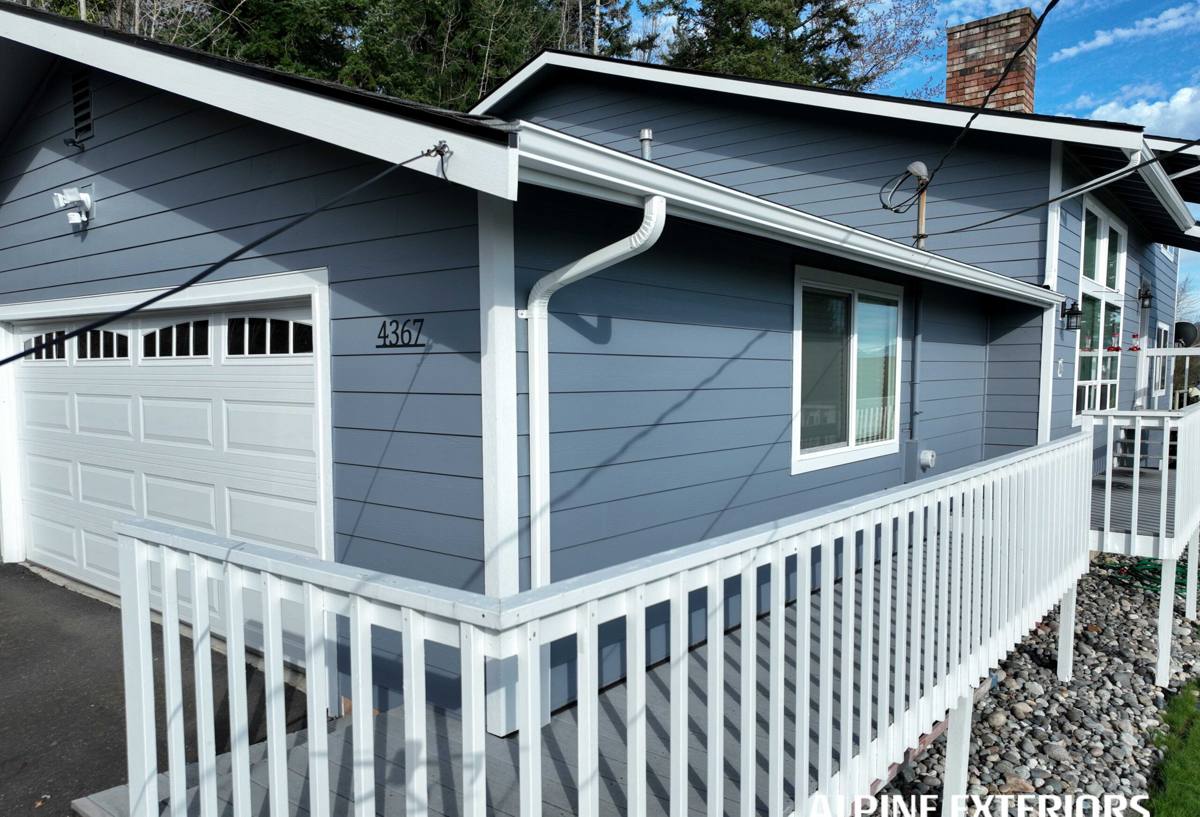
What Gulf Coast Storms Do to a St. Petersburg Roof
Storm damage in this area isn't just a single event — it's cumulative. A roof that looks fine after one storm may already be compromised and fail during the next one. Understanding the specific forces at work helps explain why repairs here need to be done a certain way.
Wind Uplift
Sustained tropical-storm and hurricane-force winds create uplift pressure at roof edges, ridges, and corners — the areas engineered roofing systems are designed to resist first, and the areas that fail first when fasteners, adhesive, or flashing were installed short of spec. Even winds well below hurricane strength can lift shingle tabs, loosen ridge caps, or peel back the starter course along an edge.
Wind-Driven Rain
Rain that's being pushed sideways by 40, 60, or 90 mph wind doesn't behave like normal rainfall. It gets forced up and under shingle edges, through nail penetrations, and into any gap in flashing around vents, chimneys, or wall intersections. This is how a roof can look intact from the ground after a storm while water is already staining the ceiling below.
Year-Round UV Exposure
Florida's sun load is intense nearly every month of the year. UV breaks down the asphalt in shingles, dries out sealant strips, and makes underlayment brittle over time. A roof that's already UV-aged going into storm season has less flexibility and adhesive strength left to resist wind and rain — which is why storm damage often shows up worse on older roofs even when the storm itself wasn't unusually severe.
Salt Air
Being close to the water means airborne salt settles on roofing materials and accelerates corrosion of exposed metal — flashing, fasteners, vent stacks, and gutter hardware. Corroded metal components are a common hidden contributor to storm damage, because a flashing seam that's already rusting through has far less resistance to wind-driven water than one in good condition.
Signs Your Roof May Have Storm Damage
Some storm damage is obvious. A lot of it isn't, and the not-obvious kind is what tends to turn into interior water damage weeks or months later if it isn't addressed. After any significant wind or rain event, it's worth checking for:
- Missing, cracked, or curling shingles, especially near roof edges, ridges, and valleys
- Granules collecting in gutters or at downspout outlets
- Lifted or separated flashing around chimneys, vents, skylights, or where the roof meets a wall
- Soft spots or visible sagging when walking the roof or viewing it from a ladder
- Water stains, discoloration, or bubbling paint on interior ceilings or upper walls
- Debris strikes — dents, punctures, or bruising from tree limbs or wind-blown debris
- Daylight visible through the roof deck from inside the attic
- A musty smell in the attic, which can indicate moisture intrusion even without a visible stain yet
If you notice any of these after a storm, it's worth having the roof looked at promptly. Damage that sits exposed to sun and repeated rain events tends to get worse, not better.
What a Correct Storm Damage Repair Actually Involves
Storm repair done right is not just about covering the visible hole. It's about restoring the roof's ability to shed wind-driven rain and resist the next storm, which means every layer of the system gets checked, not just the top one.
Full Inspection Before Any Repair Work
We start by inspecting the full roof, not just the area that looks damaged from the ground. Wind damage in one section often means stress was applied to the whole roof, and a thorough inspection catches secondary damage — loosened fasteners, compromised flashing, or early sealant failure — that isn't obvious yet but will cause a problem in the next storm.
Decking Assessment
If water has gotten under the roofing material, the wood decking underneath may be wet, soft, or delaminating. Any decking that's been compromised needs to be replaced before new roofing goes down — patching over damaged decking just hides a structural problem under a new surface.
Underlayment and Water Barrier
The underlayment is the roof's backup defense against wind-driven rain, and in a storm repair it often needs to be replaced in the affected area even if the shingles above it can be repaired. This is one of the most commonly skipped steps in a rushed storm repair, and it's the layer most responsible for keeping water out during the next wind-driven rain event.
Flashing Repair or Replacement
Flashing around penetrations and roof-to-wall transitions is a frequent failure point in Gulf Coast storms. Given the corrosive effect of salt air on exposed metal, we check flashing condition carefully during any storm repair rather than assuming it's still sound just because it isn't visibly bent or missing.
Shingle and Material Matching
Where shingles are being replaced rather than the full roof, we match material type, profile, and color as closely as possible so the repair blends in and performs consistently with the surrounding roof. We'll also walk through material options with you if the existing roofing is old enough that a broader repair or partial replacement makes more sense than patching.
Our Process for St. Petersburg Storm Repairs
- Inspection and documentation. We assess the full roof and document damage clearly, which is also useful if you're filing an insurance claim.
- Temporary protection if needed. If there's active water intrusion, we prioritize stopping it — tarping or temporary sealing to protect the interior of the home while a full repair is scoped.
- Clear scope and estimate. You get a straightforward explanation of what's damaged, what needs to be repaired versus replaced, and why — no pressure, no upsell language.
- Repair work. Decking, underlayment, flashing, and roofing material are addressed in that order, so the finished repair is sound from the deck up, not just cosmetically patched.
- Final walkthrough. We review the completed work with you so you know exactly what was done.
Repair or Replace? Key Factors for a Storm-Damaged Roof
Not every storm-damaged roof needs full replacement, and not every roof can be safely patched. The right call depends on a few factors:
| Factor | Favors Repair | Favors Replacement |
|---|---|---|
| Age of existing roof | Roof is relatively young, still within its expected service life | Roof is near or past its expected lifespan |
| Extent of damage | Damage is localized to one section or slope | Damage is widespread or affects multiple slopes |
| Decking condition | Decking is dry and structurally sound | Decking is wet, soft, or delaminating in multiple areas |
| Prior condition | Roof was well-maintained before the storm | Roof already showed UV aging or wear before the storm |
| Material availability | Matching shingles/material are readily available | Existing material is discontinued or hard to match |
We'll give you an honest read on where your roof falls on this table rather than defaulting to the more expensive option. Sometimes a targeted repair is genuinely the right answer, and we'll tell you that.
Working With Insurance on Storm Damage
Many storm repairs in this area involve a homeowner's insurance claim. We're not a public adjuster and we don't handle the claim itself, but clear documentation of the damage — photos, a written scope, and an honest assessment of what's storm-caused versus pre-existing wear — makes the claims process smoother on your end. We're glad to provide that documentation as part of the estimate.
Why a Crew That Already Works St. Petersburg Matters
Roofing generally follows building code, but the specifics of a good storm repair in this area come from repeated exposure to how Pinellas County roofs actually fail — which flashing details tend to give out first in wind-driven rain, how much UV aging is typical for a roof of a given age this close to the Gulf, and what corrosion looks like on salt-exposed hardware before it becomes an active leak. A crew that works in St. Petersburg regularly isn't guessing at any of that. It also means faster response after a storm, when timing matters most for limiting interior damage, and a level of local accountability — we're repairing roofs in the same community we live and work in, not passing through for one job.
Get a Free Storm Damage Estimate
If your St. Petersburg home has visible storm damage, or you just want a roof checked out after a recent wind or rain event, we're happy to take a look. Fill out the form below for a free, no-pressure estimate — we'll give you a straightforward read on what's actually going on with your roof and what it would take to fix it right.