 Seminole Siding
 Why Treasure Island Decks Take Extra Punishment
A deck on Treasure Island lives a harder life than one a few miles inland. This is a barrier island community, with most homes sitting close to the Gulf of Mexico, the Intracoastal Waterway, or one of the canals that cut through the island. That location is why people live here, and it's also why decks age faster here than almost anywhere else in Pinellas County.
Three things work on a deck at the same time, year-round. Salt air carries fine salt particles that settle into wood grain, screw heads, and metal connectors, accelerating corrosion in ways that inland homes simply don't deal with. Intense Florida sun bakes exposed decking boards day after day, drying out the wood or resin in composite boards and breaking down finishes faster than the manufacturer's warranty assumes. Add wind-driven rain and the occasional hurricane-force gust, and you get a structure that's fighting moisture intrusion, UV breakdown, and physical stress all at once, every single season.
None of that means a deck on the island is doomed — it means it needs to be built and repaired with that environment in mind, not treated like a deck in a subdivision twenty miles from the water.
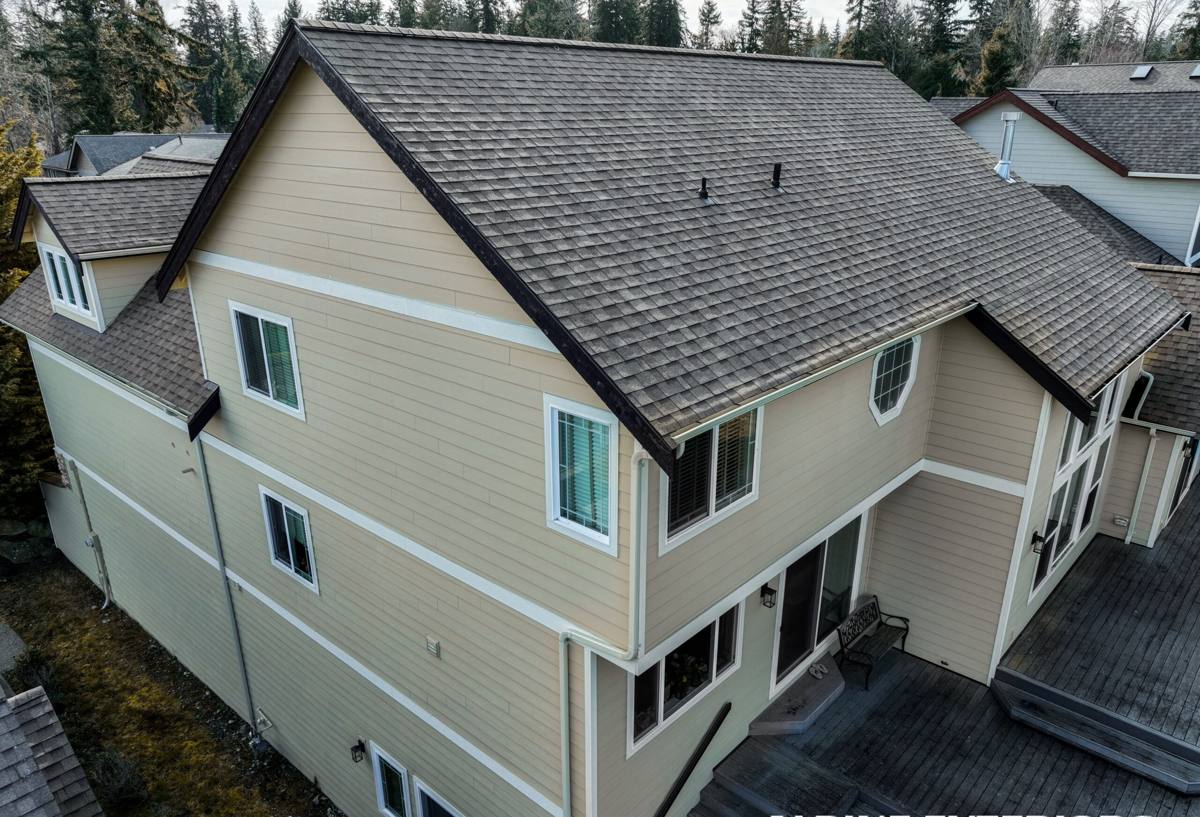
The Damage We See Most Often on Island Decks
Wood Rot and Soft Spots
Wood-framed decks near the water tend to trap moisture in places that don't dry out quickly — under the decking boards, around post bases, and especially where the deck attaches to the house at the ledger board. Once moisture gets into end grain or a fastener hole, rot can spread inside a joist or beam long before it shows on the surface.
Corroded Fasteners and Connectors
This is the one homeowners notice least and that worries us most. Screws, nails, joist hangers, and bolts that aren't rated for a coastal environment will corrode from the inside of the connection outward. A deck can look solid on top while its structural hardware is quietly failing underneath.
Sun-Bleached, Cupped, or Splitting Boards
Constant UV exposure dries out wood fibers and breaks down the surface layer of many composite products over time. The result is boards that cup, splinter, fade unevenly, or develop small cracks that widen with every wet-dry cycle.
Loose Railings, Stairs, and Ledger Connections
Wind load and repeated storm stress work on the joints of a deck — railing posts, stair stringers, and the ledger connection to the house — long before the decking surface shows obvious wear.
A few things worth checking yourself before you call anyone:
- Boards that flex, bounce, or feel spongy when you walk across them
- Rust streaks running down from screw heads or metal brackets
- Gaps opening up where the deck meets the house
- Railings that wiggle when pushed, especially at the base of posts
- Visible cracking, splintering, or cupping on the walking surface
- Musty smell or discoloration underneath the deck
Repair or Replace: How We Make the Call
Not every deck problem means starting over, and not every deck problem is fixable with a few new boards. The honest answer depends on how much of the structure is compromised versus how much is just cosmetic wear.
| Situation | Usually Means |
|---|---|
| A few boards cupped, split, or discolored; framing feels solid | Targeted board replacement |
| Soft or spongy spots limited to one section | Localized structural repair |
| Rust and corrosion on scattered fasteners, structure otherwise sound | Hardware upgrade during repair |
| Rot at the ledger board or multiple joists | Larger structural repair, sometimes partial rebuild |
| Deck is 20+ years old with widespread rot, rust, and movement | Full replacement is usually more cost-effective |
We won't sell a full replacement when a repair will genuinely hold up, and we won't patch a deck that has structural problems just to save you money today and cost you more later. We tell you what we actually find and let you decide.
What Goes Into a Correct Deck Repair
Framing and Structure First
Any repair that skips the framing and just replaces surface boards is cosmetic, not structural. Before we touch decking, we check the ledger board, joists, beams, and posts for rot, movement, and corrosion, because those are the parts holding the deck up.
Decking Surface and Railings
Once the structure underneath is sound, we address the walking surface and railings — replacing damaged boards, resetting or reinforcing loose railing posts, and rebuilding stair stringers where needed so the whole deck feels solid, not just the repaired section.
Fasteners and Hardware Matter More Than People Think
This is where a lot of deck repairs fall short. Using standard hardware store screws or connectors on a coastal deck is asking for a repeat repair in a few years. We use fasteners and structural connectors rated for coastal or marine-grade exposure, because the hardware is usually what fails first in this environment, not the wood itself.
Our Repair Process, Start to Finish
- On-site inspection. We walk the deck, check the framing from underneath where accessible, and probe suspect areas — soft boards, rusted fasteners, ledger connections — rather than just eyeballing the surface.
- Honest scope and estimate. We tell you what's structural, what's cosmetic, and what we'd repair versus replace, with a written estimate before any work starts.
- Permitting, if the scope requires it. Structural repairs and work on elevated or waterfront decks can trigger permit requirements in Pinellas County; we handle that paperwork rather than leaving it on you.
- Removal of failed material. Rotted framing, corroded hardware, and damaged boards come out completely — we don't build over compromised wood.
- Structural repair. Joists, beams, posts, and ledger connections get sistered, replaced, or reinforced as needed, using coastal-rated fasteners and connectors.
- Decking and railing work. New boards and railing components get installed, matched to your existing deck where possible so the repair blends in rather than standing out.
- Final walkthrough. We check the repaired area, clean up the site, and go over what we did and why, so you know exactly what's under your feet.
What Affects the Cost of a Deck Repair
There's no single number that applies to every deck, but the factors that move the price are consistent.
| Factor | Why It Matters |
|---|---|
| Extent of structural damage | A few rotted boards costs far less than compromised framing or ledger connections |
| Material match | Matching existing wood species or a discontinued composite line can add cost and time |
| Deck height and access | Elevated decks and those over water or hard-to-reach areas take longer to work safely |
| Hardware upgrade needed | Replacing standard fasteners with coastal-rated hardware adds material cost but prevents repeat failures |
| Permit requirements | Structural work may require permitting and inspection, which adds time to the project |
| Railing and stair condition | These see constant stress and are often part of the repair even when the request starts as "just the boards" |
We'll walk you through which of these apply to your specific deck before we give you a number, not after.
Wood vs. Composite: What We Recommend for Repairs in This Climate
Both pressure-treated wood and composite decking can hold up on Treasure Island, but they age differently, and repairs should account for that.
Pressure-treated wood is affordable and easy to repair in sections, since boards can be swapped individually without disturbing the rest of the deck. Its trade-off is maintenance: it needs periodic sealing or staining to resist the combination of sun and moisture here, and skipping that maintenance is what leads to the rot and splitting we see most often.
Composite decking generally needs less routine maintenance and resists rot, but it isn't immune to this environment — years of intense UV exposure can still fade or chalk the surface, and lower-quality composite can degrade faster in full-sun, high-heat locations than the manufacturer's marketing suggests. When we repair composite decking, we're careful about matching board profiles and colors, since older composite lines are sometimes discontinued and an exact match isn't always possible.
For framing underneath either type of decking, we don't cut corners: pressure-treated structural lumber and coastal-rated fasteners are the standard we hold ourselves to on every repair, because the framing is what actually keeps the deck safe, regardless of what the walking surface is made of.
Permits and Waterfront Considerations in Pinellas County
Deck repairs in Pinellas County can require a permit depending on the scope of work — generally, structural repairs and any work affecting the deck's footprint or attachment to the house are more likely to need one, while minor board replacement often doesn't. Homes on Treasure Island that sit in flood-prone or waterfront zones can have additional considerations tied to elevation and construction requirements near the water.
We don't expect homeowners to track all of this themselves. When a repair's scope calls for a permit, we handle the application and coordinate the inspection, so the work is documented and legitimate rather than something that turns into a problem when you sell the house later.
Maintenance That Extends Your Repair — and Why Local Experience Matters
A repair done right will last a lot longer with a small amount of upkeep. None of this is complicated, but it's easy to let slide.
- Rinse salt residue off the deck surface periodically, especially after storms with wind off the Gulf
- Reseal or restain wood decking on a regular schedule rather than waiting until it looks dry and gray
- Keep gutters and downspouts near the deck clear so water isn't dumping onto or under it
- Check railing posts and stair connections for looseness once or twice a year
- Look underneath the deck occasionally, not just at the surface — that's where early rot and rust show up first
- Address small issues promptly; a soft board today is a joist problem in a year if it's ignored
A crew that already works on Treasure Island knows what a deck here is up against, because we've seen it firsthand — which fasteners actually hold up to salt air, which framing details fail first near the water, and which repairs are worth doing versus which ones are a short-term patch. That's not something you can get from a contractor who mostly works decks inland and treats a coastal repair the same way. We're a short drive from the island, we understand Seminole and Pinellas County's building requirements, and we're not guessing at what this environment does to a deck over time.
If your deck has soft spots, rusted hardware, sun-damaged boards, or just doesn't feel as solid as it used to, we're happy to take a look. Fill out the form below for a free, no-pressure estimate — we'll tell you honestly what we find and what it would take to fix it right.