 Seminole Siding
 Custom Decks in Bardmoor: Built for Real Florida Weather
Bardmoor is one of the more established residential pockets in Seminole, tucked into Pinellas County a short drive from the Gulf. It's a good place for an outdoor living space — plenty of mature landscaping, quiet streets, homes with the kind of backyards that make a deck worth building. But it's also a place where the weather doesn't take a season off. Sun, salt, humidity, and the occasional hurricane all work on a deck year-round, and a structure that isn't built with that in mind will show it within a few seasons, not a few decades.
This page covers what actually matters when you're putting a custom deck into a Bardmoor backyard: what the local climate does to decks over time, what correct construction looks like below and above the surface, and how our process works from first visit to final walkthrough.
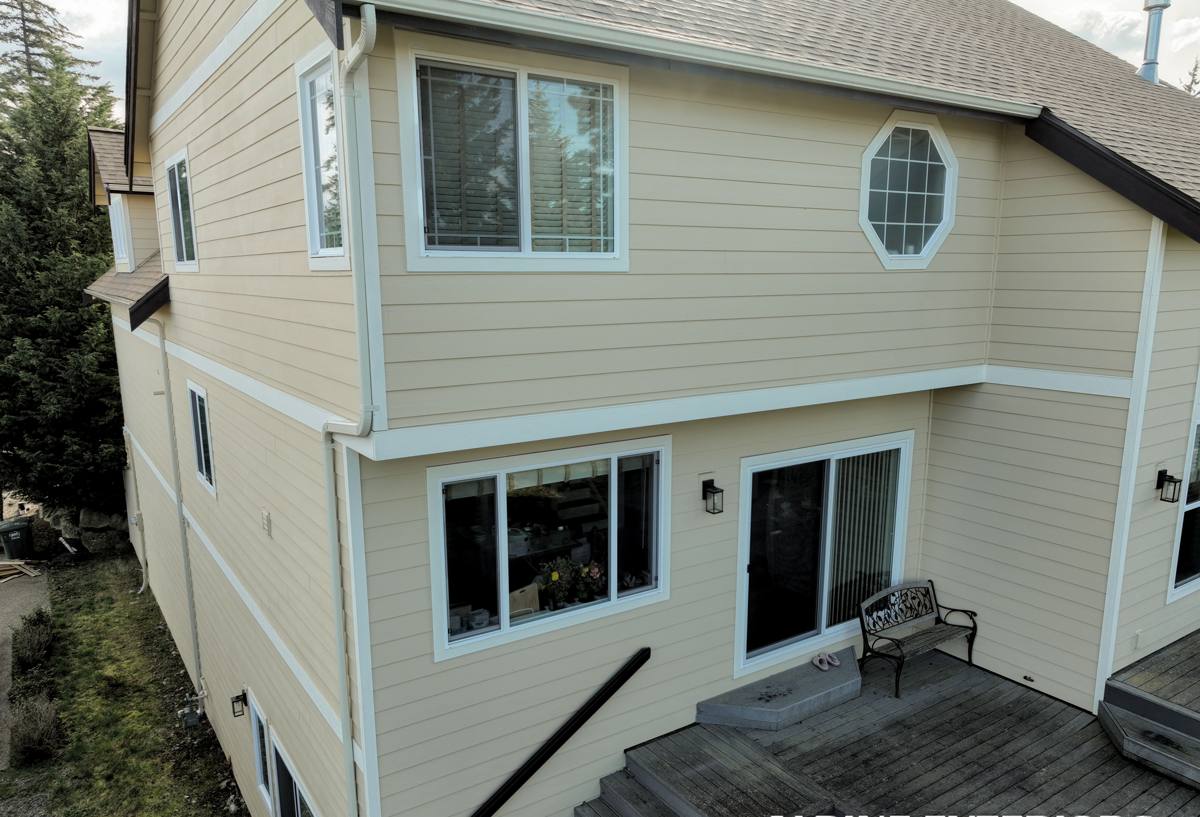
What Pinellas County Weather Does to an Outdoor Deck
A deck in this part of Florida isn't dealing with one hard condition — it's dealing with several at once, all year, without a real off-season.
UV and Heat
Seminole gets intense, near-constant sun exposure. UV breaks down the surface fibers of wood decking and slowly fades and chalks the surface of lower-grade composites. It also drives real heat buildup — dark-colored decking in full afternoon sun can get uncomfortably hot underfoot, which matters if you're planning bare feet by a pool.
Salt Air and Corrosion
Even a few miles inland, coastal Pinellas County air carries enough salt to accelerate corrosion on fasteners, joist hangers, and any exposed metal hardware. Standard hardware store screws and connectors rust and stain long before the decking itself wears out — this is one of the most common reasons an otherwise sound-looking deck starts failing early.
Wind-Driven Rain and Humidity
Florida rain doesn't fall straight down as often as people assume — wind-driven rain gets pushed sideways into ledger connections, under railings, and into any gap that isn't detailed to shed water. Combine that with our humidity and you get an environment where wood that isn't properly ventilated underneath stays damp long enough to rot or support fungal growth.
Hurricane-Force Wind Loads
Decks attached to the house are structural elements, and in a hurricane-prone county they need to perform like one. Undersized ledger connections, weak railing posts, or footings that aren't sized for uplift and lateral load are the parts of a deck most likely to fail in a storm — and they're also the parts a homeowner can't see just by looking at the finished decking.
Choosing the Right Decking Material for This Climate
There's no single "best" decking material — there's a best material for your budget, your maintenance appetite, and how much direct sun and salt exposure your specific yard gets. Here's how the common options actually perform in a Bardmoor backyard over time, not just on the showroom sample.
| Material | Upfront Cost | Maintenance | Heat Underfoot | Salt-Air Performance |
|---|---|---|---|---|
| Pressure-treated pine | Lowest | Annual sealing/staining recommended | Moderate | Fair — hardware is the weak point |
| Tropical hardwood (e.g., ipe) | Highest | Periodic oiling to hold color | Moderate | Good — naturally dense and rot-resistant |
| Capped composite | Mid-high | Occasional washing, no sealing | Higher in dark colors | Very good |
| PVC decking | Highest of the low-maintenance group | Minimal — washing only | Highest in dark colors | Excellent, fully moisture-inert |
Composite and PVC decking have become the more common choice for Seminole homeowners who want to spend weekends using the deck rather than maintaining it, but real wood is still a legitimate option when it's detailed correctly and the owner is comfortable with upkeep. We'll walk through the real trade-offs for your yard's sun exposure and budget rather than push one product across the board.
What a Correctly Built Deck Involves Below the Surface
The decking boards are the part everyone sees, but the structure underneath is what determines whether the deck is still solid — and safe — in ten or twenty years.
Footings and Foundation
Footing depth and size need to match the soil conditions on your specific lot and the load the deck will carry, not a one-size guess. Pinellas County's mostly sandy soil drains well but doesn't hold a footing the same way denser soil does, so footings need to be sized and set correctly rather than poured to the smallest size that will pass a quick glance.
Ledger Attachment and Framing
Where a deck attaches to the house is the single most important connection on the structure. It has to be properly flashed to keep water from getting behind the house's siding or sheathing, and bolted — not just screwed — with hardware sized for the actual load and span. A poorly flashed ledger is one of the most common causes of hidden rot damage to the house itself, not just the deck.
Fasteners and Hardware
Given the salt air, every fastener, joist hanger, and structural connector should be stainless steel or a coating rated for coastal/salt exposure — not the standard galvanized hardware that's fine further inland. This is a small line item on a quote that has an outsized effect on how long the structure lasts before hardware failure becomes a safety issue.
Permits, Wind Load, and Pinellas County Code
Attached decks in Seminole and unincorporated Pinellas County generally require a building permit, and inspections along the way confirm footings, framing, and attachment meet current wind-load requirements for our zone. This isn't paperwork for its own sake — it's the mechanism that catches an undersized footing or a weak ledger connection before it's buried under finished decking. A contractor who pulls the permit and schedules inspections is building to a standard that gets verified by someone outside the company doing the work, which is exactly the point.
Railings, Stairs, and Everyday Safety Details
Railings and stairs are where a lot of the day-to-day safety of a deck actually lives, and they're governed by code for good reason — proper railing height, baluster spacing that won't allow a small child to slip through, secure post attachment (not just toe-nailed into the decking), and consistent stair rise and run so people don't trip on an uneven step. These details also tend to be the first thing that loosens up over time if they weren't built solidly to begin with, so we treat them as structural, not decorative.
Our Process for a Bardmoor Deck Project
Site Visit and Design
We start at your property, looking at sun exposure, drainage, how the deck will connect to the house, and what you actually want to use the space for — dining, grilling, pool access, quiet seating. Material and layout decisions come out of that conversation, not a generic template.
Permitting and Engineering
We handle the permit application and any engineering documentation the plan requires, sized correctly for your footprint and our local wind-load requirements, before construction starts.
Construction
Footings, framing, ledger attachment, decking, and railings go in, in that order, with the structural work inspected before it's covered by finished decking. We keep the site reasonably clean and communicate on schedule as work progresses.
Final Walkthrough
We walk the finished deck with you, cover basic care for the material you chose, and make sure everything — railings, stairs, gates if applicable — is solid before we call it done.
Keeping a Deck Looking Right in This Climate
Whatever material you choose, a little seasonal attention goes a long way in Seminole's sun and salt air. A simple maintenance rhythm:
- Rinse the deck surface periodically to clear salt residue, pollen, and organic buildup before it stains
- Sweep leaf litter and debris out from between boards and around posts so moisture doesn't sit trapped
- Check railing posts and stair connections once or twice a year for any looseness
- Inspect exposed fasteners and hardware for early rust or staining, especially after storm season
- For wood decking, plan on resealing or restaining on the schedule the product calls for — don't wait until it's visibly gray and dry
- Keep gutters and downspouts near the deck clear so runoff isn't dumping directly onto footings or framing
- After any major storm, do a quick visual check of railings and ledger flashing before assuming everything rode it out fine
Why Hire a Crew That Already Works Bardmoor
A deck built to a generic national spec and a deck built for a Pinellas County backyard aren't the same project, even if they look identical in a photo. Knowing that hardware needs to be salt-air rated, that footings need to account for local sandy soil, and that the ledger flashing detail has to hold up against wind-driven rain isn't guesswork — it's what comes from building decks in this exact climate repeatedly. We also know the local permitting process, which keeps the inspection side of the project moving instead of stalling out.
If you're weighing options for a new deck in Bardmoor, we're glad to come take a look, talk through materials honestly, and put together a straightforward estimate — no pressure, no pushy upsell, just what the project actually needs. Use the form below to request your free estimate.