 Seminole Siding
 Why Belleair Bluffs Roofs Need to Be Built for the Coast
Belleair Bluffs sits close enough to the water that every roof in the area deals with a combination of stresses most inland homes never see: salt-laden air moving in off the Gulf, intense UV exposure nearly every day of the year, sudden wind-driven rain squalls, and the real possibility of hurricane-force gusts during storm season. Any one of these will wear down a weak roofing system. Together, they will find every shortcut a rushed installation left behind — a fastener pattern that's too sparse, a flashing detail that was "close enough," an underlayment that wasn't rated for the exposure.
Metal roofing, done correctly, handles this combination better than most other roofing materials available to homeowners in Pinellas County. It doesn't absorb water the way some products do, it holds paint and coating systems well against UV breakdown, and a properly fastened metal roof is one of the more wind-resistant options you can put over a Belleair Bluffs home. The key phrase there is "done correctly" — metal roofing is unforgiving of mediocre installation, and a job that looks fine on day one can fail early if the underlying details were rushed.
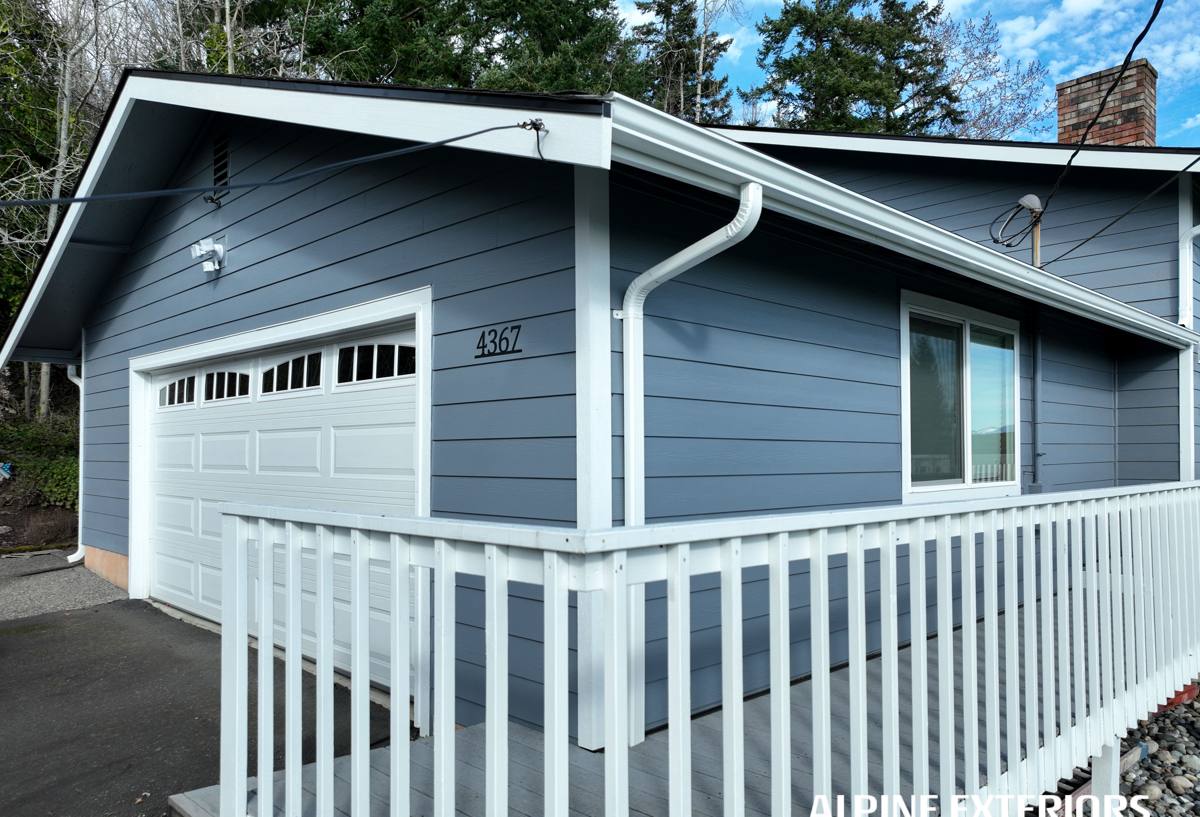
What "Correct" Actually Means for a Metal Roof Here
Fastening and Wind Resistance
Wind uplift is the number one failure mode we plan around. A metal roof's wind performance comes down to fastener type, spacing, and pattern — not just the panel itself. For homes in this part of the county, we follow fastening schedules that reflect the wind exposure Belleair Bluffs actually sees, not a generic minimum. That includes tighter spacing at eaves, rakes, and ridges, where uplift forces concentrate.
Underlayment and Moisture Management
Metal panels shed bulk water well, but wind-driven rain can still push moisture up under the panel edges and through fastener penetrations during a strong squall. A synthetic or self-adhered underlayment rated for high-wind, high-moisture climates is what actually protects the deck underneath — the panel is the first line of defense, the underlayment is the backup that matters when conditions get ugly.
Flashing and Penetrations
Every place a roof changes plane, meets a wall, or has something poking through it — vents, stacks, chimneys — is a place water can find a way in if the flashing isn't detailed correctly. This is where a lot of "roof leaks" actually originate, not from the field of the roof itself. Correct flashing work takes more time and more skill than laying panels, which is exactly why it's often where corners get cut on rushed jobs.
Coastal-Grade Materials
Salt air accelerates corrosion, especially at cut edges, fasteners, and dissimilar-metal contact points. We use fastener and flashing materials chosen to hold up in a salt-exposed environment, and we pay attention to galvanic compatibility — putting the wrong metals in contact with each other is a slow, quiet way to shorten a roof's life.
Metal Roofing Options for Belleair Bluffs Homes
Not every metal roofing product is the same, and the right choice depends on your home's style, roof pitch, and budget. Here's how the common options compare for this climate:
| System | Best For | Coastal/Wind Notes |
|---|---|---|
| Standing seam panel | Most home styles; clean, modern look | Concealed fasteners reduce corrosion points and leak paths; strong wind uplift performance when installed with proper clip spacing |
| Exposed-fastener panel | Budget-conscious projects, outbuildings, some ranch homes | Costs less upfront but fasteners are exposed to UV and salt air, so gasket wear and re-torquing become a longer-term maintenance item |
| Metal shingle/shake profile | Homes wanting a traditional look with metal's durability | Good wind performance with proper interlocking installation; more seams than standing seam, so flashing detail matters even more |
For most Belleair Bluffs homes, we lean toward standing seam because the concealed-fastener design removes one of the more common long-term maintenance headaches in a salt-air environment. That said, we'll walk through the honest trade-offs for your specific roof rather than defaulting to one answer for everyone.
Our Process for a Belleair Bluffs Metal Roof
1. On-Site Assessment
We start by actually getting on the roof — checking deck condition, existing ventilation, current flashing details, and any signs of past water intrusion. We also look at exposure: how much direct sun and wind the roof takes given its orientation and surroundings.
2. Straightforward Estimate
You get a written scope covering panel type, underlayment, flashing plan, and fastening approach — not just a single number. If there are trade-offs worth discussing (standing seam vs. an exposed-fastener system, for example), we'll walk you through them before you commit.
3. Deck Prep and Underlayment
Any soft or damaged decking gets addressed before a single panel goes down — installing a metal roof over a compromised deck just locks a problem in place. Underlayment goes down next, with extra attention at eaves, valleys, and penetrations.
4. Panel Installation and Flashing
Panels are installed to the fastening schedule appropriate for the site's wind exposure, with flashing detailed at every transition — not just caulked and hoped for. We check seams, laps, and terminations as we go rather than only at the end.
5. Final Walkthrough
We go over the finished roof with you, point out anything you should know about long-term care, and make sure everything matches what was scoped.
What Coastal Life Does to a Metal Roof Over Time
Even a well-installed metal roof needs a little attention over the years to stay ahead of what the Pinellas County coastal environment throws at it. The main things worth watching:
- Salt film buildup on the panel surface — periodic gentle rinsing helps prevent it from accelerating corrosion, especially near the coast
- Fastener condition on exposed-fastener systems — gaskets and torque can loosen over years of thermal cycling and UV exposure
- Sealant and flashing points around penetrations — sealants age faster under intense Florida UV than in milder climates
- Debris in valleys and around roof-to-wall transitions after storms — trapped debris holds moisture against the panel
- Coating or paint finish wear — most factory finishes are rated for years of UV exposure, but it's worth a visual check after major storm seasons
None of this requires constant attention, but a roof that gets an occasional look after big storms will outlast one that's ignored until something actually leaks.
Why the Local Piece Matters
A metal roofing crew that regularly works Belleair Bluffs and the surrounding Seminole area already knows what this specific stretch of coast does to a roof — not from a manual, but from having repaired the roofs where an out-of-town or inexperienced installer skipped a detail. That shows up in small decisions: which fastener spacing to actually use rather than the bare code minimum, how to detail a flashing transition on the roof styles common in this area, and which materials hold up against salt air instead of just looking fine when they're installed.
It also matters for accountability. A local, established contractor is easier to reach if a warranty question comes up five years from now, and has a reputation in the area worth protecting. That's a different relationship than a crew that installs a roof and then moves on to the next county.
Cost Factors to Understand Before You Get Quotes
Metal roofing costs vary by system type, roof complexity, and current roof condition, so any legitimate quote should reflect your specific home rather than a flat per-square-foot number pulled from a brochure. Broadly, the factors that move the price:
| Factor | Why It Matters |
|---|---|
| Panel system chosen | Standing seam typically costs more upfront than exposed-fastener panels, offset by lower long-term maintenance |
| Roof complexity | More valleys, penetrations, and plane changes mean more flashing labor |
| Deck condition | Any deck repair needed before installation adds to the scope |
| Removal of existing roofing | Tear-off and disposal of the old roof covering is a separate line item from the new install |
| Ventilation upgrades | Bringing attic ventilation up to what the new system needs can be part of the job |
We'd rather walk your roof and give you real numbers than throw out a range that doesn't mean much until we've actually seen your home.
Get a Free, No-Pressure Estimate
If you're weighing a metal roof for your Belleair Bluffs home — whether you're replacing storm-damaged roofing, planning ahead of hurricane season, or just tired of maintaining a roof that isn't built for this coast — we're happy to come take a look. The estimate is free, there's no pressure to sign anything on the spot, and you'll get a straight answer about what your roof actually needs. Use the form below to get started.