 Seminole Siding
 Deck Building in Largo: What the Climate Actually Demands
Largo sits in the middle of Pinellas County, close enough to the Gulf that salt-laden air, heavy afternoon humidity, and hurricane-season wind and rain all show up in how a deck ages here. A deck built the same way you'd build one in Ohio or Georgia will not hold up the same way in Largo. The materials, the fasteners, the footing depth, and the framing details all need to account for what this specific climate does to wood, metal, and composite over years of exposure.
We build decks for homeowners throughout the Largo and greater Seminole area, and the questions we get are almost always the same: will it hold up to a hurricane, will it rot, will it be too hot to walk on barefoot, and how much upkeep is really involved. This page walks through what a Largo deck actually needs, what a correctly built one looks like, and how we approach the job from first call to final walkthrough.
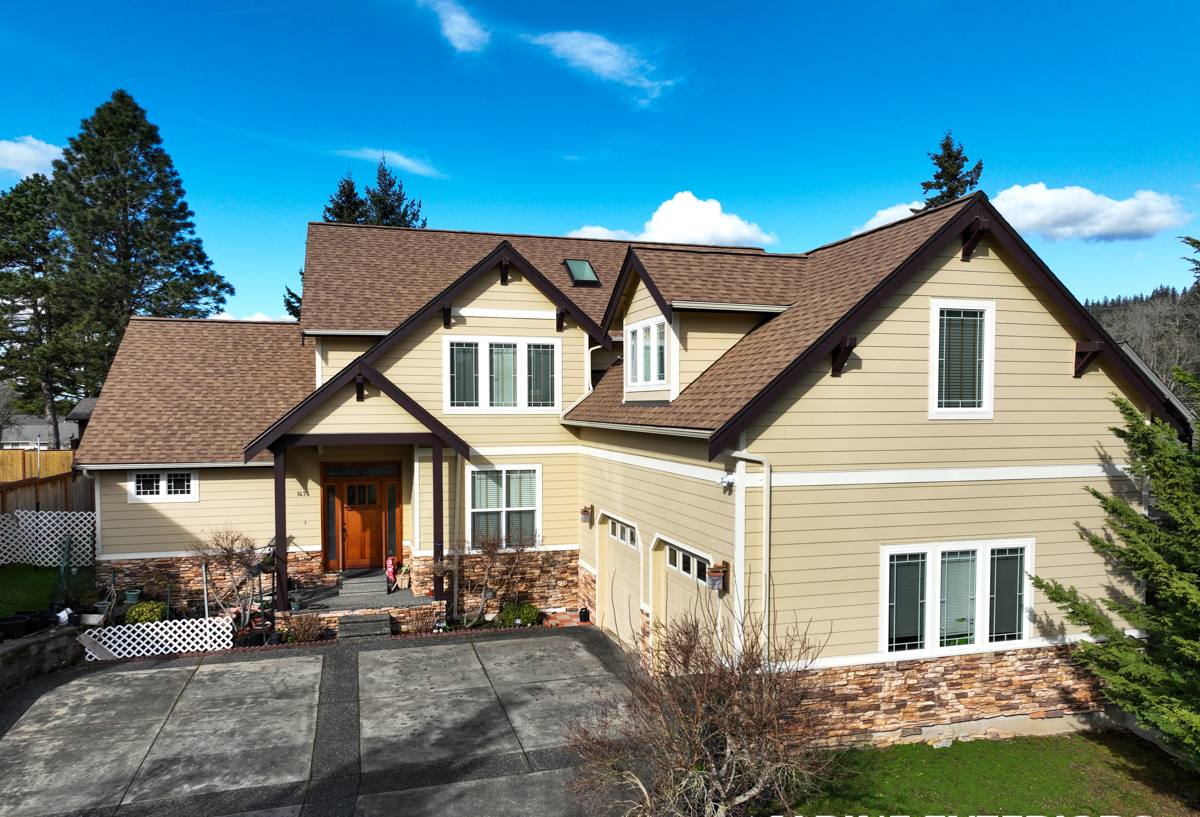
What Largo's Weather Does to a Deck Over Time
Heat and UV
Florida sun is intense and it's intense year-round, not just in summer. UV exposure breaks down the surface fibers of untreated or poorly sealed wood, fading it and making it brittle. It also softens and degrades lower-grade composite decking, and it can cause some fastener coatings to break down faster than the manufacturer's spec sheet suggests. Deck boards that face full afternoon sun need a finish or material rated for sustained UV, not just "weather resistant" in a general sense.
Humidity and Wind-Driven Rain
Pinellas County's humidity keeps moisture in the air even between rain events, and storms here often come with wind-driven rain that gets pushed sideways into ledger boards, stair stringers, and any spot where two pieces of framing meet. Standing water and trapped moisture in those joints is what causes rot and hidden decay in wood-framed decks, and it's usually invisible until a board or post has already been compromised.
Salt Air
Even away from the immediate coastline, Largo gets salt air carried inland off the Gulf. Salt accelerates corrosion on any exposed metal — screws, joist hangers, bolts, and railing hardware. A deck built with standard fasteners instead of coated or stainless hardware can develop rust streaks and weakened connections well before the wood itself is a problem.
Hurricane-Force Wind
Pinellas County sits in a wind-borne debris region, and decks attached to a home need to be engineered to handle uplift and lateral load, not just vertical weight from people and furniture. A deck that's only built to hold static weight is not automatically built to survive a named storm.
What a Correctly Built Deck Looks Like in This Climate
A deck that's going to last in Largo isn't about one special material — it's a combination of decisions made at every stage of the build:
- Footings poured to the depth and diameter local code requires, sized for the actual load and soil conditions on your lot
- Ledger board attachment flashed and sealed correctly where it meets the house, since this is the single most common source of hidden water damage on attached decks
- Joists and beams sized for the span with wind and live load in mind, not just the minimum that looks like it'll hold
- Corrosion-resistant fasteners and connectors throughout — this matters more here than almost anywhere inland
- Decking material selected for how it actually performs under UV and moisture cycling, not just how it looks on day one
- Railings and stairs built to code height and baluster spacing, with hardware that won't corrode and loosen over time
- Proper airflow underneath the deck so moisture doesn't sit trapped against framing
Skip any one of these and the deck might look fine for a year or two. The problems that show up in Largo decks almost always trace back to one of these steps being shortcut.
Decking Material Options and How They Hold Up Here
There's no single "best" decking material for every homeowner — it depends on budget, maintenance tolerance, and how you want the deck to look and feel underfoot. Here's an honest comparison of the main options we work with:
| Material | Upfront Cost | Maintenance | How It Handles Largo's Climate |
|---|---|---|---|
| Pressure-treated wood | Lowest | Needs sealing/staining every 1-2 years | Good if properly sealed and maintained; UV and humidity will find any gap in upkeep |
| Cedar / higher-grade wood | Mid | Regular sealing, more sensitive to moisture | Attractive but needs consistent care to resist rot in humid conditions |
| Composite decking | Higher | Low — occasional cleaning | Strong UV and moisture resistance when it's a quality product properly installed |
| PVC decking | Highest | Lowest | Excellent moisture resistance; performance depends heavily on installation quality |
We'll talk through these options honestly, including the real maintenance commitment each one requires, rather than steering you toward whatever has the best margin. A pressure-treated deck that gets sealed on schedule can outlast a composite deck that was installed with poor drainage underneath it — the material matters less than whether the whole system was built right.
Attached vs. Freestanding Decks
Whether your deck attaches to the house or stands on its own footings changes several things about the build. Attached decks need that ledger connection handled carefully — it's the point most exposed to water intrusion if flashing is done wrong. Freestanding decks avoid that risk entirely but need their own independent footing and bracing system to handle wind load without leaning on the house structure. Depending on your home's construction and where you want the deck positioned, one approach may make more sense than the other, and it's worth discussing on-site before design gets locked in.
Permitting and Code in Pinellas County
Deck construction in Largo falls under Pinellas County or City of Largo building code depending on your property, and most decks above a certain height or size require a permit and inspection. This isn't paperwork for its own sake — the inspection process checks footing depth, ledger attachment, and structural connections, which are exactly the points that determine whether a deck survives a storm season. We handle the permitting process as part of the job so you're not left chasing approvals or guessing whether your deck meets current wind and structural requirements.
Our Process for a Largo Deck Build
1. On-Site Consultation
We walk your property, look at drainage, sun exposure, and how the deck will connect to your home, and talk through what you actually want to use the space for.
2. Design and Material Selection
We put together a plan with sizing, material options, and a straightforward cost breakdown — no vague allowances that turn into surprises later.
3. Permitting
We submit for the required permits and schedule inspections at the appropriate stages of the build.
4. Construction
Footings, framing, decking, and railings are installed in sequence, with attention to the details — flashing, fastener choice, hardware — that determine how the deck performs over years, not just how it looks at handoff.
5. Final Walkthrough
We walk the finished deck with you, cover basic care for whatever material you chose, and make sure everything meets what was agreed on before we call the job done.
Why Hire a Crew That Already Works in Largo
A contractor who works regularly in Largo and the surrounding Seminole area already knows the local permitting process, understands what the county inspectors are checking for, and has already seen how different materials perform after a few Gulf Coast storm seasons — not just how they look in a showroom. That local track record matters more with decks than with almost any other exterior project, because a deck's problems are structural and often hidden until they're serious. Working with a crew that treats footing depth, flashing, and fastener selection as non-negotiable — rather than places to save time — is the difference between a deck that needs attention every year and one that just holds up.
Deck Maintenance Checklist for Largo Homeowners
- Inspect fasteners and hardware for rust or corrosion at least once a year
- Check the ledger board area for signs of water staining or soft wood after storm season
- Reseal or restain wood decking on the schedule appropriate to the product used
- Clear leaves and debris from between boards to keep drainage and airflow open
- Look under the deck periodically for standing water or blocked ventilation
- Check railings and stair connections for looseness before hosting a gathering or storm event
If you're planning a new deck or replacing one that didn't hold up the way it should have, we're happy to take a look and give you a straightforward, no-pressure estimate. Fill out the form below and we'll set up a time to walk your property.