 Seminole Siding
 Why Indian Rocks Beach Roofs Wear Out Faster Than Inland Homes
Indian Rocks Beach sits right on the Gulf, and that location is exactly what makes roofing here different from a job ten miles inland. Homes on or near the barrier island take on a combination of stresses that most Pinellas County properties simply don't see to the same degree: sustained onshore wind, hurricane-force gusts during storm season, wind-driven rain that gets pushed sideways under poorly sealed edges, intense year-round UV exposure, and a steady drift of salt air that corrodes metal fasteners and flashing faster than fresh water ever would. Any one of these on its own is manageable. Together, over years, they shorten the working life of a roofing system that wasn't specified and installed with the coastline in mind.
We install and repair asphalt shingle roofs throughout Seminole and the surrounding beach communities, and Indian Rocks Beach is one of the areas where the difference between an average installation and a correct one shows up fastest — sometimes within a single hurricane season.
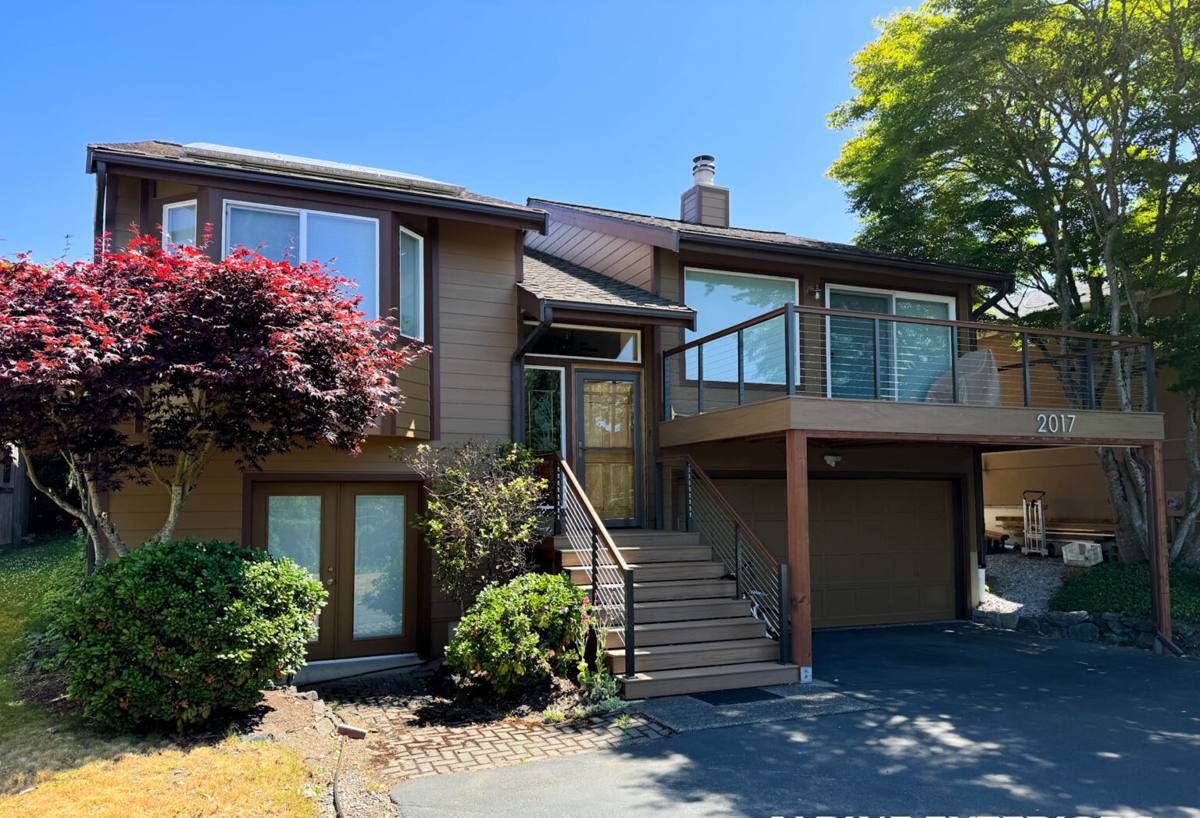
What a Correct Asphalt Shingle Roof Requires This Close to the Gulf
An asphalt shingle roof built for Indian Rocks Beach isn't a different product line — it's the same shingle done with more attention to the details that fail first in a coastal environment.
Wind Rating and Fastening
Shingle wind ratings depend as much on how they're fastened as on what's printed on the wrapper. The right number of nails, placed in the manufacturer's specified nailing zone, is what actually keeps a shingle attached when gusts get underneath the tab. Underdriven, overdriven, or misplaced nails are one of the most common reasons a shingle roof loses tabs in a storm that a properly fastened roof next door rides out fine.
Underlayment and Secondary Water Barrier
Shingles are the first line of defense, not the only one. A synthetic underlayment (or, in higher-exposure areas, a self-adhering water barrier at eaves, valleys, and rakes) is what keeps a home dry if wind-driven rain forces water past the shingle surface — which happens more often on exposed coastal roofs than most homeowners realize. This layer matters just as much as the shingle brand, and it's often the part that gets shortchanged on a rushed job.
Flashing and Penetrations
Every place metal meets shingle — chimneys, skylights, plumbing stacks, sidewalls — is a place salt air goes to work. Flashing that isn't properly lapped, sealed, and corrosion-resistant is usually the first thing to leak on an older beach-area roof, well before the shingles themselves are worn out.
Attic Ventilation
Intense Florida sun bakes an attic all year, and poor ventilation traps that heat against the underside of the deck and the shingles above it. Balanced intake and exhaust ventilation reduces heat buildup, helps shingles reach their expected service life, and lowers cooling costs — a detail that's easy to overlook but shows up in both the roof's lifespan and the homeowner's energy bill.
Comparing Asphalt Shingle Options for a Beach-Area Home
Not every asphalt shingle product is built for the same conditions. Here's how the common options compare for a home exposed to Gulf wind and salt air.
| Shingle Type | Wind Performance | Typical Lifespan | Best Fit |
|---|---|---|---|
| 3-Tab Strip Shingles | Lower wind resistance; lighter profile | Shorter end of the range | Budget-driven projects set back from direct coastal exposure |
| Standard Architectural (Laminate) Shingles | Improved wind resistance from the laminated, multi-layer design | Mid-to-long range | Most Indian Rocks Beach homes with correct fastening and detailing |
| High-Wind / Impact-Rated Architectural Shingles | Highest wind ratings in the asphalt category; better resistance to debris impact | Long range with proper installation | Directly exposed roofs, higher rebuild elevations, homeowners prioritizing storm resilience and possible insurance credits |
Lifespan figures for any of these depend heavily on installation quality, attic ventilation, and how consistently the roof is maintained — not just the product itself. We'll walk through which tier makes sense for your specific roof, elevation, and budget rather than defaulting to one option for every house.
Our Process for an Indian Rocks Beach Roofing Project
- Inspection and assessment. We check the existing shingles, decking, flashing, and ventilation, and look for wind or moisture damage that isn't visible from the ground.
- Honest scope and estimate. You get a clear explanation of what the roof actually needs — full replacement, partial repair, or targeted flashing and ventilation work — with a no-pressure written estimate.
- Deck inspection at tear-off. Once the old roofing is removed, we inspect the decking itself. Any soft or water-damaged sections are addressed before anything new goes down; installing new shingles over a compromised deck is a shortcut we don't take.
- Underlayment and flashing installation. Water barrier, drip edge, and flashing go in first, sealed and lapped correctly at every valley, edge, and penetration.
- Shingle installation to spec. Shingles are fastened per manufacturer requirements for the wind rating you've chosen — not a generic nailing pattern.
- Ventilation check. Intake and exhaust ventilation are confirmed or corrected as part of the job, not treated as an afterthought.
- Cleanup and final walkthrough. Debris and nails are cleared from the property, and we walk the finished roof with you before calling the job done.
Signs an Indian Rocks Beach Roof Needs Attention
Salt air and coastal wind rarely cause dramatic, obvious failures — the damage is usually gradual. Watch for these signs, especially after any storm with sustained wind:
- Shingles that look curled, cupped, or lifted at the edges
- Granules collecting in gutters or at downspout outlets
- Rust staining or streaking near flashing, vents, or metal penetrations
- Soft spots, sagging, or discoloration on interior ceilings
- Missing or visibly displaced shingles after high wind
- Daylight visible through the attic decking
- Higher-than-usual cooling bills, which can point to ventilation or insulation issues tied to roof condition
Any one of these on its own may be minor. Several together usually mean it's time for a professional look before a small issue becomes a leak.
Maintenance That Actually Matters in a Salt Air Environment
Asphalt shingle roofs near the Gulf benefit from a bit more attention than the same roof would need further inland. Keeping gutters and valleys clear prevents water from pooling against shingle edges. Rinsing accumulated salt residue off the roof surface periodically helps slow corrosion at metal flashing and fasteners. A post-hurricane-season visual check — even just from the ground — can catch lifted shingles or damaged flashing before the next round of wind-driven rain finds the gap. None of this is complicated, but it's the kind of routine attention that adds real years to a roof exposed to this much salt and sun.
Why It Matters to Hire a Crew That Already Works This Beach
A lot of roofing problems on the coast trace back to a roof that was installed correctly for an inland home, not for one facing the Gulf. Crews that regularly work Indian Rocks Beach and the surrounding Seminole coastline know which nailing patterns actually hold up here, which flashing details fail first in salt air, and how local wind exposure should factor into shingle selection. That familiarity isn't abstract — it changes real decisions on your roof, from underlayment choice to how aggressively we detail valleys and wall transitions.
We also understand that a home this close to the water is often a full-time residence, a rental, or a long-held family property — and that a roofing project needs to be handled with respect for the home and a clear, honest process from estimate to final walkthrough.
Permitting and Insurance Considerations in Pinellas County
Roofing work in Pinellas County — including Indian Rocks Beach — requires a permit and inspection through the appropriate local building authority, and code requirements for coastal wind exposure factor into material and fastening choices. We handle the permitting process as part of the job so you're not left navigating it alone. It's also worth asking your insurance carrier whether a higher wind-rated shingle system or updated roofing documentation could affect your windstorm coverage or premium — the answer varies by policy, but it's a conversation worth having before, not after, a re-roof.
If your Indian Rocks Beach home is due for a new roof, showing early wear, or you just want an honest read on what shape it's in, we're glad to take a look. Fill out the form below for a free, no-pressure estimate — no obligation, just a straight answer about what your roof actually needs.