 Seminole Siding
 Why Indian Rocks Beach Roofs Take a Different Kind of Beating
Indian Rocks Beach sits right on the Gulf, which means every roof out there deals with conditions that inland Pinellas County homes simply don't see as often. Salt-laden air corrodes fasteners and metal flashing faster. Wind off the water hits roofs at higher sustained speeds and with fewer trees or structures to break it up. And during a named storm or even a strong summer thunderstorm line, wind-driven rain gets pushed sideways into laps, seams, and vent penetrations that were never designed to handle water moving horizontally.
We're a Seminole-based crew, and Indian Rocks Beach is part of our regular service area — not a once-in-a-while trip across the bridge. That matters for storm damage work specifically, because the difference between a roof that gets fixed right the first time and one that leaks again in the next squall usually comes down to whether the crew understands how this particular stretch of coastline behaves.
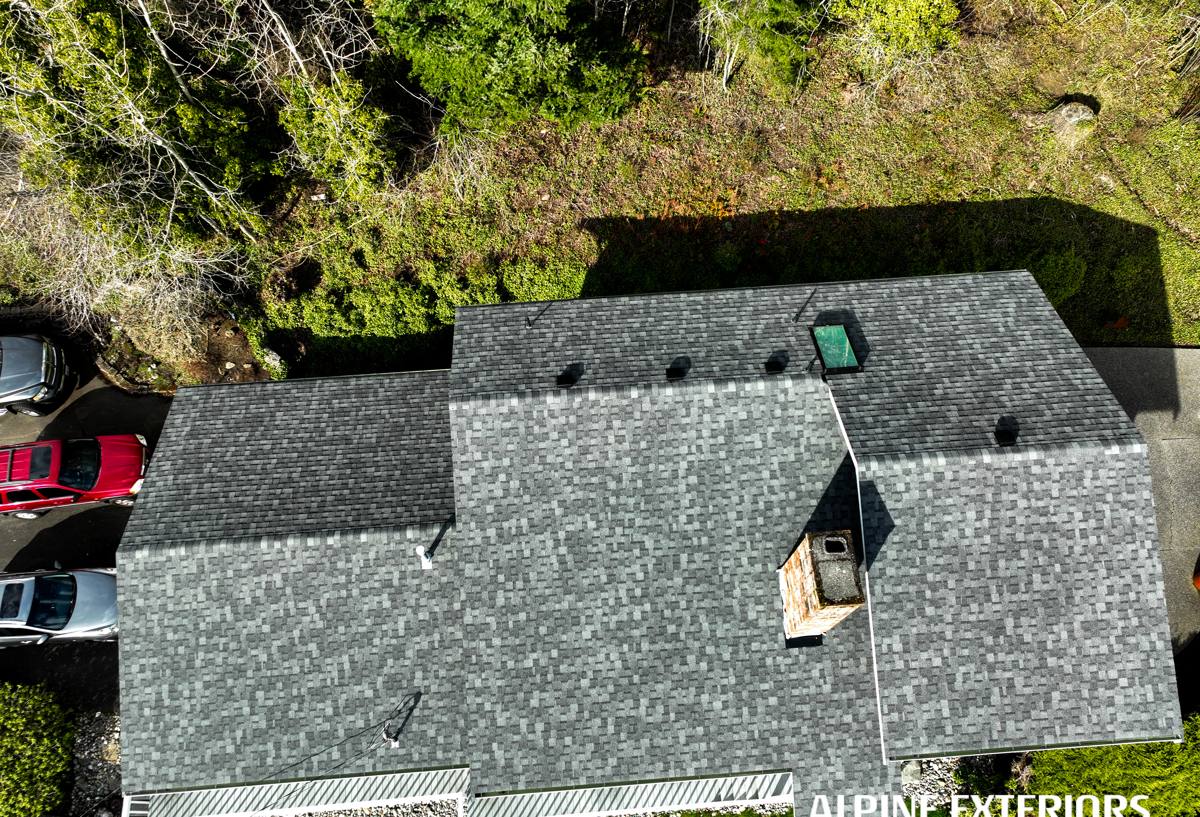
What Storm Damage Actually Looks Like on a Barrier Island Roof
Storm damage isn't always a dramatic hole in the roof. On Indian Rocks Beach homes, we more often find a combination of smaller issues that add up to a real problem:
Wind Uplift and Lifted Shingles or Tiles
Sustained coastal wind gets under the edge of a shingle, tile, or metal panel and lifts it just enough to break the seal or crack an adhesive bond. The covering can look mostly intact from the ground, but the seal is gone, and the next rain finds its way in.
Wind-Driven Rain Intrusion
When rain comes in nearly horizontal, it can work past flashing, vent boots, and shingle laps that would shed water fine in a normal vertical downpour. This is one of the most common ways Gulf-front and near-Gulf homes end up with an interior stain days after a storm has already passed.
Flashing and Sealant Failure
Flashing around chimneys, skylights, and roof-to-wall transitions relies on sealant and mechanical fastening that salt air degrades faster than it would inland. A storm doesn't have to be severe to finish off flashing that was already weakened by months of salt exposure and UV.
Granule Loss and UV-Weakened Materials
Florida's year-round UV load bakes asphalt shingles and dries out sealants even without a storm involved. When wind and rain hit a roof that's already UV-fatigued, damage that would have been minor on a newer roof becomes a real leak.
Debris Impact
Palm fronds, loose gutters, and wind-borne debris can crack tiles, dent metal panels, or puncture shingles directly. Impact damage is usually the easiest to spot but not always the easiest to reach if it's on a steep slope or a section over a lanai.
Repair or Replace? How We Make That Call
Not every storm-damaged roof needs a full replacement, and not every roof that "looks fine" from the driveway is actually sound. We evaluate the whole roof system, not just the spot where the leak showed up, because storm stress tends to expose weaknesses that were already there.
| Situation | Usually Repairable | Usually Needs Replacement |
|---|---|---|
| Age of roof covering | Under 10-12 years, good general condition | Already near or past its expected service life |
| Extent of damage | Isolated area — one slope, one penetration, a few shingles or tiles | Widespread lifting, cracking, or granule loss across multiple slopes |
| Decking condition | Dry, sound decking under the damaged area | Soft, delaminated, or water-stained decking found during inspection |
| Prior storm history | First significant damage event | Repeated patch jobs from past storms with no permanent fix |
| Underlayment condition | Underlayment intact where exposed | Underlayment brittle, torn, or missing in multiple spots |
We'll always tell you honestly which category a roof falls into. A targeted repair costs less and gets your home protected faster, but if the underlying materials are already compromised, patching over that isn't doing you any favors — it just delays the next call.
What a Correct Storm Damage Repair Actually Involves
A repair that holds up on a coastal roof is more than swapping out the visibly broken pieces. Here's what we check and address on every storm repair call:
- Full inspection of the affected slope and adjacent slopes, not just the reported leak location
- Decking inspection at the damaged area — any soft or delaminated wood gets replaced before new covering goes on
- Underlayment condition check and replacement where it's torn, saturated, or no longer sealing
- Flashing inspection at all nearby penetrations — vents, chimneys, skylights, wall transitions
- Matching replacement materials as closely as possible to the existing roof covering
- Fastener check — corroded or under-driven fasteners get replaced, not reused
- Sealant renewal at flashing and penetration points using coastal-rated sealants
- Interior check for water staining, insulation damage, or ceiling issues tied to the leak
- Photo documentation of the damage and repair for your records and any insurance claim
Our Process, Start to Finish
1. Fast Response and Inspection
After a storm, we prioritize calls where active leaking or exposed decking is involved. We inspect the full roof, not just the obvious damage point, and give you a straight answer on what's actually wrong.
2. Written Scope and Estimate
You get a clear description of the repair, the materials involved, and the cost before any work starts. No surprise add-ons once we're on the roof.
3. Temporary Protection When Needed
If a repair can't happen immediately — material availability, extensive damage, or a queue of storm calls ahead of yours — we can install temporary dry-in protection to stop water intrusion while the permanent repair is scheduled.
4. The Repair
We replace damaged decking, underlayment, flashing, and covering as needed, matching materials and following manufacturer installation specs so the repair integrates with the rest of the roof rather than becoming a weak point of its own.
5. Final Walkthrough and Documentation
We walk the completed repair with you, confirm the interior is clear, and provide photo documentation you can keep for your records or submit with an insurance claim.
Materials and Fasteners That Hold Up Near the Gulf
What goes into a coastal repair matters as much as the workmanship. We use fasteners and flashing rated for coastal exposure rather than standard-grade hardware, because standard fasteners corrode noticeably faster this close to salt water. For sealants and flashing details, we favor products with a track record of holding a bond under UV and humidity swings rather than whatever is cheapest on the shelf — a sealant that dries out and cracks within a year or two just means we're back on your roof sooner than necessary, and that's not a trade-off we're willing to make on our own workmanship.
Where the existing roof covering is asphalt shingle, tile, or metal, we match the repair to that system's manufacturer specifications rather than mixing incompatible materials, which can void warranties or create galvanic corrosion issues between dissimilar metals.
Insurance and Documentation for Storm Claims
If your damage is storm-related and you're filing a claim, documentation matters. We photograph the damage before and after repair, note the likely cause (wind, wind-driven rain, impact), and can provide a written scope of work that adjusters typically want to see. We're not a public adjuster and won't promise a claim outcome, but we'll give you accurate, honest documentation of what we found and what we did — which is the most useful thing a contractor can hand you for that process.
Why a Crew That Already Works Indian Rocks Beach Matters
A roofing crew based inland or across the bay isn't necessarily bad at their job, but they're not on the barrier island regularly, and that shows up in small but real ways: knowing which fastener specs actually hold up out here, knowing how quickly a temporary tarp needs to go up before the next squall line rolls through, and being able to get back out to a job site without a long drive eating into response time. We're a Seminole-based crew that already runs jobs in Indian Rocks Beach and the surrounding Pinellas County coastline, so this isn't unfamiliar territory — it's part of our regular route.
After the Storm: A Quick Homeowner Checklist
- Check attic or top-floor ceilings for staining, sagging, or moisture even if you don't see obvious roof damage from the ground
- Look for granules collecting in gutters or at downspout outlets — a sign of shingle wear or impact damage
- Note any missing, cracked, or visibly lifted shingles, tiles, or metal panels
- Check flashing around chimneys, skylights, and vents for gaps or displaced sealant
- Photograph visible damage from the ground for your own records before repairs begin
- Avoid getting on the roof yourself after a storm — wet, wind-loosened materials are unstable
- Call for an inspection promptly; small entry points get worse with every additional rain event
If a recent storm left you with a leak, missing shingles or tiles, or you just want an honest inspection after a rough weather stretch, we're happy to take a look. Request a free, no-pressure estimate using the form below and we'll get a Seminole-based crew out to your Indian Rocks Beach property.