 Seminole Siding
 Why Kenneth City Homes Need a Different Approach to Siding Repair
Kenneth City sits in the middle of Pinellas County, close enough to the Gulf that salt-laden air reaches every block, and exposed to the same hurricane-track risk as the rest of the Tampa Bay area. Homes here take a beating from four directions at once: sustained UV load nearly year-round, wind-driven rain that gets pushed sideways into seams and laps, tropical-system wind gusts that test every fastener and joint, and a steady drift of salt air that accelerates corrosion on anything metal. Siding repair in this pocket of Seminole isn't just patching a hole — it's restoring a system that has to keep doing its job under all four of those stresses again next season.
A repair that looks fine on the day it's finished but ignores what caused the damage in the first place is a repair that fails again in a year or two. That's the standard we hold every Kenneth City repair job to: fix what's broken, and fix why it broke.
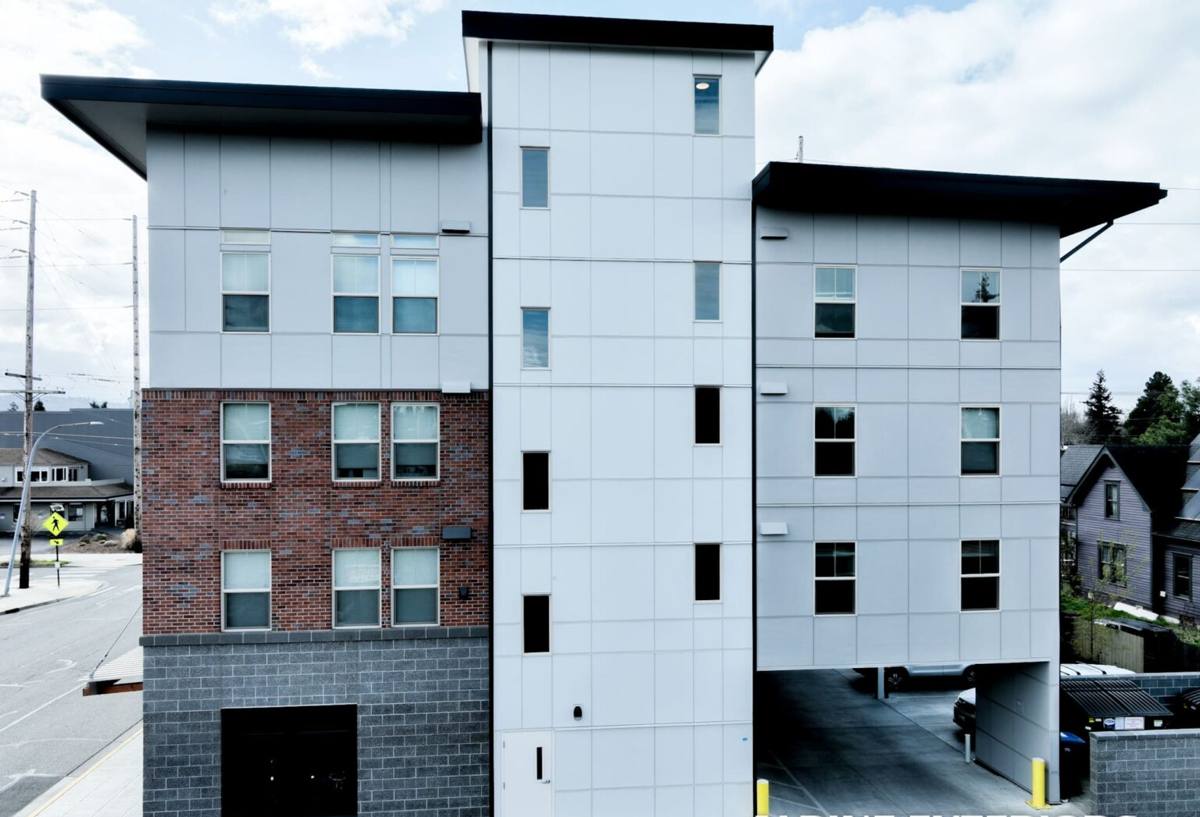
What Actually Damages Siding in This Area
Wind-Driven Rain and Moisture Intrusion
Most of the siding repair calls we see in this neighborhood trace back to water finding a way behind the cladding rather than through it. Wind-driven rain doesn't fall straight down — during a squall or tropical system it gets driven horizontally, which means it finds any gap at a butt joint, a poorly sealed penetration, or a lap that's lost its factory seal. Once moisture is trapped behind siding, it doesn't dry out quickly in Florida's humidity, and that's when you start seeing soft spots, staining, or in worse cases rot in the underlying wall assembly.
Hurricane and Tropical Storm Wind Loads
Even siding that survives a storm without visible damage can come out of it with compromised fastening — nails backed out slightly, panels racked out of alignment, or trim pulled loose at the corners. Left alone, that loosened material becomes the entry point for the next round of wind-driven rain, and the cycle repeats and gets worse with each storm.
UV Exposure and Coating Breakdown
Florida sun is relentless on painted and coated surfaces. Repeated UV exposure breaks down paint film and caulking well before it would in a milder climate, leading to chalking, fading, and cracked caulk joints that then let moisture in. A siding repair that doesn't address failed caulking and coating around the repair area is only a partial fix.
Salt Air and Fastener Corrosion
Kenneth City isn't beachfront, but it's close enough to the Gulf that airborne salt reaches inland neighborhoods and accelerates corrosion of exposed fasteners, flashing, and any galvanized components that weren't rated for a coastal-influenced environment. Corroded fasteners lose their grip strength over time, which shows up later as loose panels or trim that wasn't loose when it was installed.
Signs a Kenneth City Home Needs Siding Repair
- Soft, spongy spots when you press on the siding, especially near the bottom edges and around windows
- Visible cracking, splitting, or buckling in panels or trim boards
- Staining or dark streaks running down from seams, joints, or fastener heads
- Caulk that has cracked, shrunk, or pulled away from joints and trim
- Panels that look slightly out of alignment or have visible gaps at the laps
- A musty smell along an exterior wall inside the home, which can indicate trapped moisture
- Paint that's peeling or bubbling in a way that's isolated rather than spread evenly across the wall
- Loose or rattling sections after a windstorm, even if nothing looks obviously broken
What a Correct Siding Repair Actually Involves
A siding repair that's done right isn't just cutting out a damaged section and slapping in a replacement piece. It starts with figuring out how deep the problem actually goes.
Step 1: Find the Real Source, Not Just the Symptom
Visible damage on the surface is often just where the problem became noticeable — the actual entry point for moisture can be several inches or even feet away, higher up at a window head or a roof-to-wall transition. Repairing the visible spot without tracing back to the source means the same failure comes back.
Step 2: Check What's Behind the Siding
Once a section is opened up, the sheathing, house wrap or weather barrier, and any framing in that area need to be inspected. If moisture has been sitting behind the siding for a while, there can be damage that has to be addressed before new siding goes back on — patching over a wet or compromised substrate just buries the problem.
Step 3: Match the Repair to the Existing System
Siding repair works best when the replacement material, fastening pattern, and flashing detail match what the rest of the wall is doing. Mismatched materials or improper fastening at a repair seam is a common reason repairs fail again — the patch behaves differently than the surrounding siding under heat, moisture, and wind.
Step 4: Reseal and Refinish Properly
Every repair needs correct sealant at joints and penetrations rated for exterior, coastal-influenced exposure, and any painted or coated surface needs to be brought back to a finish that matches and protects. This is where a lot of quick patch jobs fall short — the repair itself holds, but the finishing work around it doesn't hold up to the next few Florida summers.
Repairing Different Siding Types: What Homeowners Should Know
Not every siding material responds to repair the same way, and that matters when you're deciding whether a repair is the right call or whether it's a sign of bigger problems coming.
| Siding Type | How It Typically Fails in This Climate | Repair Considerations |
|---|---|---|
| Vinyl | Cracks and becomes brittle under UV and heat cycling; can distort or melt near heat sources; wind can pull panels loose at the locking edge | Repairs are usually straightforward but color-matching aged panels is difficult since vinyl fades unevenly over time |
| Wood (cedar, primed spruce) | Absorbs moisture at cut ends and joints, leading to rot; paint failure is frequent given UV and humidity | Rot often extends beyond the visible damage; repeated repair cycles are common in coastal-influenced climates |
| Older fiber cement (non-Hardie) | Performance varies significantly by manufacturer and product line; moisture behavior at cut edges depends on how well factory sealing was maintained | Repair approach depends heavily on the specific product and how it was originally installed |
| James Hardie fiber cement | Engineered for this climate; failures we see are almost always installation or impact related, not material breakdown | Repairs integrate cleanly when matched to the correct HZ product line and factory ColorPlus finish |
Why We Repair Toward James Hardie, Not Away From It
We install exclusively James Hardie fiber cement siding, and that shapes how we approach repair work too. When we're repairing an existing Hardie installation, we're working within a system that was engineered specifically for climates like ours — the HZ5 product line is formulated for high-humidity, moisture-prone regions, and the factory-applied ColorPlus finish holds color and resists the UV breakdown that causes so many repair calls on painted materials in the first place. A repair on Hardie siding is usually a targeted fix, not the start of a pattern.
When we're called to repair vinyl, wood, or other fiber cement products, we'll do the repair honestly and correctly — but we'll also tell you straight if what we're seeing is a symptom of a material or installation issue that repair alone won't solve long-term. If a home in Kenneth City is on its third or fourth repair cycle with the same underlying material, that's worth an honest conversation about full replacement with a product built for this environment, rather than continuing to chase the same failure.
Why Hiring a Crew That Knows Kenneth City Matters
Siding repair isn't a one-size-fits-all trade. A crew that's worked this specific area understands how Pinellas County's exposure — the salt air drifting in from the Gulf, the wind patterns that funnel through this part of Seminole during a tropical system, the humidity that never really lets a wall assembly dry out fast — actually behaves against a wall assembly over years, not just what a repair manual says in general. That local pattern recognition is what separates a repair that holds from one that's back on the schedule next storm season.
It also means we're not guessing at code requirements or wind-load expectations for this part of Florida — we work to them on every job, repair or full installation, because that's what the county and the climate both demand.
What to Expect From Our Repair Process
- An honest on-site inspection that looks past the visible damage to find the actual cause
- A clear explanation of what's happening, what it will take to fix it correctly, and what it would cost to let it go unaddressed
- A written scope that spells out materials, matching approach, and what's included
- Repair work that addresses the substrate and moisture source, not just the visible surface
- Proper sealing, flashing, and finishing so the repair performs like the rest of the wall, not like a patch
Get a Straight Answer About Your Siding
If you're seeing soft spots, cracked caulk, storm damage, or siding that just doesn't look right on your Kenneth City home, it's worth getting eyes on it before a small problem becomes a bigger one. We'll give you a free, no-pressure estimate, tell you honestly what we find, and lay out your options — repair or replacement — without any pressure either way. The form below is the fastest way to get on our schedule.