 Seminole Siding
 Siding Replacement in Kenneth City: What Local Homes Are Up Against
Kenneth City is a small, established residential community tucked into Pinellas County, just next door to Seminole. Like most of the neighborhoods in this part of the county, a lot of the housing stock here has been standing for decades — which means a lot of the siding on these homes is well past the point where a patch or a paint job does any good. When siding fails here, it usually isn't from one dramatic event. It's the slow, steady combination of sun, storms, humidity, and salt-laden air working on the same walls, year after year, until the material simply can't keep up anymore.
This page is specifically about full siding replacement for Kenneth City homes — not a patch, not a repair, but tearing off failing material and installing a system built to actually hold up in this climate. If you're trying to figure out whether your home needs it, and what a correct job looks like, this is written for you.
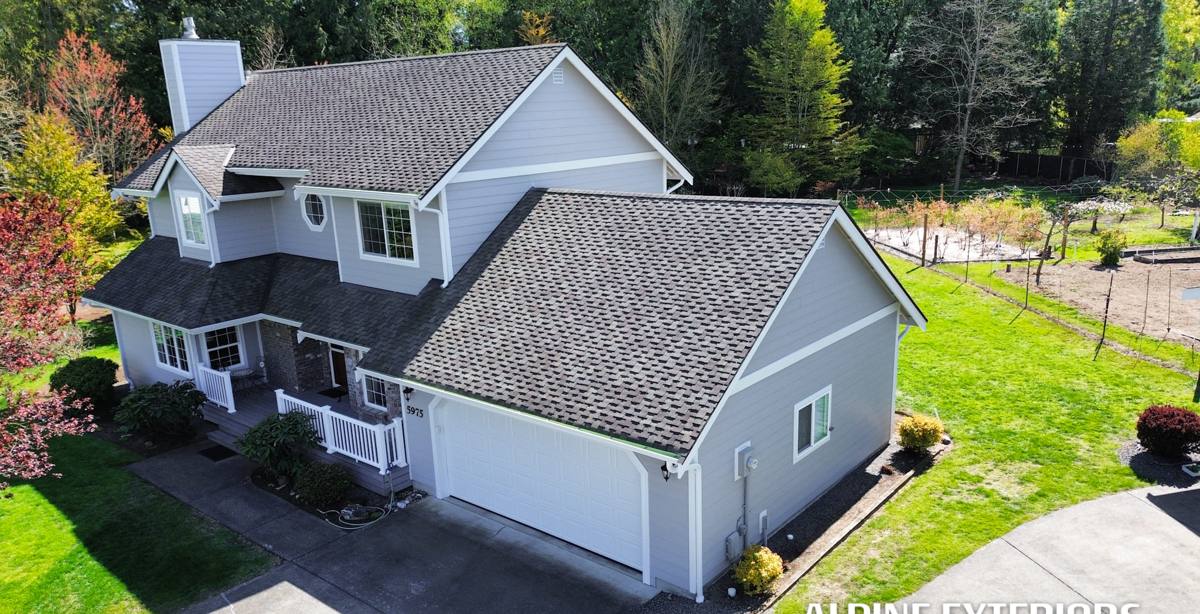
Signs Your Kenneth City Home Needs New Siding
Most homeowners don't wake up one day and decide they need new siding — they notice small things that add up. Worth paying attention to:
- Soft, spongy, or crumbling spots when you press on the siding, especially near the bottom edges or under windows
- Visible warping, bowing, or panels that have pulled away from the wall
- Paint that won't hold anymore, or color that's badly faded on the sun-facing sides of the house
- Cracking, splitting, or gaps that have opened up at seams and corners
- Streaking, dark staining, or a musty smell that points to trapped moisture behind the siding
- A noticeable jump in cooling costs, which can mean the wall assembly behind the siding is compromised
Any one of these on its own might be a repair. Several of them together, especially on a home that's had the same siding for 20-plus years, usually means the material is at the end of its useful life and replacement is the more honest answer.
What Pinellas County Weather Demands From a Siding System
Siding in Kenneth City doesn't fail because of one big storm — it fails because it's under constant low-grade attack from several directions at once. Understanding what the climate actually does to a wall helps explain why some materials hold up here and others don't.
Hurricane-Force Winds
Pinellas County sits in a hurricane-prone stretch of the Gulf Coast, and even homes that never take a direct hit still see repeated exposure to tropical storm winds and the occasional hurricane-force gust. Siding needs to be rated for that wind loading and fastened correctly to actually stay attached — this is as much about installation as it is about the product itself.
Intense, Year-Round UV
Florida sun doesn't take a season off. Constant UV exposure breaks down pigments and surface coatings over time, which is why so many homes in this area show chalky, faded siding on their south- and west-facing walls well before the material is structurally worn out.
Wind-Driven Rain
It's not just how much rain falls here — it's how it arrives. Wind-driven rain gets forced sideways and upward into seams, laps, and fastener points that would stay dry in a calmer climate. A siding system that isn't installed with the right flashing and water-management details behind it will eventually let moisture in, no matter how good the surface material is.
Salt Air
Kenneth City's proximity to the Gulf and Tampa Bay means salt-laden air is a constant, even a few miles inland. Salt accelerates corrosion of fasteners and trim, and it works its way into any material that isn't built to resist it, contributing to premature deterioration on siding that would last much longer in a drier, inland climate.
Why We Install James Hardie Fiber Cement — And Only Hardie
We made a deliberate decision as a company to install James Hardie fiber cement siding exclusively. We don't install vinyl, LP SmartSide, Cemplank, Allura, or primed wood species like spruce or cedar. That's not a marketing position — it's based on what actually holds up under the exact conditions described above.
Fiber cement is non-combustible and dimensionally stable, meaning it doesn't expand, contract, warp, or cup the way vinyl and wood-based products can when they cycle through Florida's heat and humidity. James Hardie also engineers specific product lines for different climate zones, and homes in our area qualify for their HZ5 line, built specifically for hot, humid, storm-prone regions like ours. The factory-applied ColorPlus finish is baked on under controlled conditions and backed by its own finish warranty, which holds up to UV fade far better than field-applied paint. Hardie's product warranty is also transferable to a new owner, which matters if you ever sell the home.
None of this means other products are without merit — vinyl is inexpensive and easy to source, LP SmartSide has real fans, and wood has obvious visual appeal. But when we weigh moisture behavior, wind performance, maintenance burden, and long-term cost against what we're willing to put our name behind, fiber cement is what we've standardized on for every home we side, including here in Kenneth City.
What a Correct Siding Replacement Actually Involves
A siding replacement is only as good as what's underneath it. Rushing or skipping steps is where most siding failures actually start — not with the siding material itself. A correct job includes:
- Full tear-off of the old siding, not installation over the existing material
- Sheathing inspection and repair — any wood rot or water damage found underneath gets fixed before anything new goes up
- A continuous weather-resistant barrier installed correctly, lapped to shed water downward the way it's designed to
- Proper flashing at every window, door, and penetration point, so wind-driven rain has nowhere to get behind the siding
- Fastening to manufacturer spec — correct fastener type, spacing, and placement, which is what actually determines wind performance, not just the rating printed on the product
- Correct joint and seam treatment so panels expand and contract properly without opening gaps over time
Skip any one of these and you can end up with brand-new siding hiding the exact same moisture problems that doomed the old siding — just delayed a few years.
Our Kenneth City Siding Replacement Process
We keep the process straightforward and communicate at each stage, since a full siding job is disruptive enough without added uncertainty.
- On-site assessment. We walk the exterior, check the current siding and what's likely underneath it, and talk through what you're seeing and what's prompting the project.
- Written scope and product selection. You'll get a clear plan covering the Hardie product line, profile, and color, along with what the tear-off and prep work will involve.
- Tear-off and substrate repair. Old siding comes off, and any compromised sheathing is repaired or replaced before we move forward — this step doesn't get shortcut.
- Weather barrier and flashing installation. The water-management layer goes in first, correctly lapped and flashed at every opening.
- Siding installation. Hardie panels or lap siding go up per manufacturer specification, with attention to fastening, clearances, and seams.
- Final walkthrough. We inspect the completed work with you and address anything before we consider the job done.
Comparing Siding Materials for a Kenneth City Home
Homeowners often ask why the material matters this much in our climate specifically. Here's how the common options stack up against the conditions Kenneth City homes actually face:
| Factor | James Hardie Fiber Cement | Vinyl | LP SmartSide / Wood-Based |
|---|---|---|---|
| Hurricane wind performance | High, when installed to spec | Moderate; can crack or blow off in high gusts | Moderate; dependent on fastening and moisture condition |
| Moisture and rot resistance | Not wood-based; engineered against moisture damage | Resists rot but can trap moisture behind panels | Wood-based composite; vulnerable if moisture gets in |
| UV / fade resistance | Factory ColorPlus finish, separately warrantied | Can fade and become brittle over time | Requires field-applied paint maintenance |
| Salt air durability | Engineered for coastal, humid climates (HZ5) | Generally stable but can become brittle near coast | More susceptible to moisture-driven deterioration |
| Typical maintenance | Low; periodic cleaning and caulk checks | Low, but limited repair options if damaged | Higher; repainting and moisture monitoring |
What to Expect: A Homeowner's Checklist
Before you commit to a siding replacement, it helps to know what a legitimate job should include and what to ask about upfront:
- Get a written scope that specifies full tear-off, not install-over-existing
- Ask what happens if rotted sheathing is found once the old siding comes off
- Confirm the specific James Hardie product line, profile, and HZ rating being used
- Ask about fastening method and spacing, not just the brand of siding going up
- Confirm flashing details around every window and door before installation begins
- Get clarity on warranty coverage — both the manufacturer's product warranty and the installer's labor warranty
- Ask whether the crew doing the work is direct labor or subcontracted, and how long they've worked in this area
Why Local Experience in Kenneth City Matters
Siding work in this area comes with local realities that a crew from outside Pinellas County won't necessarily know firsthand — wind-load and building code requirements that apply to this part of Florida, permitting processes through the county, and the practical realities of working on the tighter lots and older homes common to established neighborhoods like Kenneth City. A crew that already works in this specific area also tends to move faster through inspections and permitting simply because they've done it before, and they understand what these homes typically need once the old siding comes off, since they've seen it firsthand on similar houses nearby.
If your Kenneth City home is showing signs of worn-out siding, we're happy to take a look and give you a straightforward, no-pressure estimate — no obligation, just an honest read on what your home needs and what it would take to do the job right. The form below is the easiest way to get started.