 Seminole Siding
 Windows Built for What Largo's Weather Actually Does
Largo sits close enough to the water that its homes take a different kind of beating than houses twenty miles inland. Between hurricane-force wind events, near-constant UV exposure, wind-driven rain, and salt air drifting in off the Gulf, a window in this part of Pinellas County has to do more than look good and open and close. It has to hold a seal against pressure, resist glazing failure from heat and sun, and keep hardware from corroding shut within a few seasons. We're based in Seminole and have worked this stretch of the coast long enough to know which corners get cut on window jobs and what it costs homeowners later.
This page is about one thing: custom window installation for Largo properties, done the way this climate actually requires — not a generic rundown of window options.
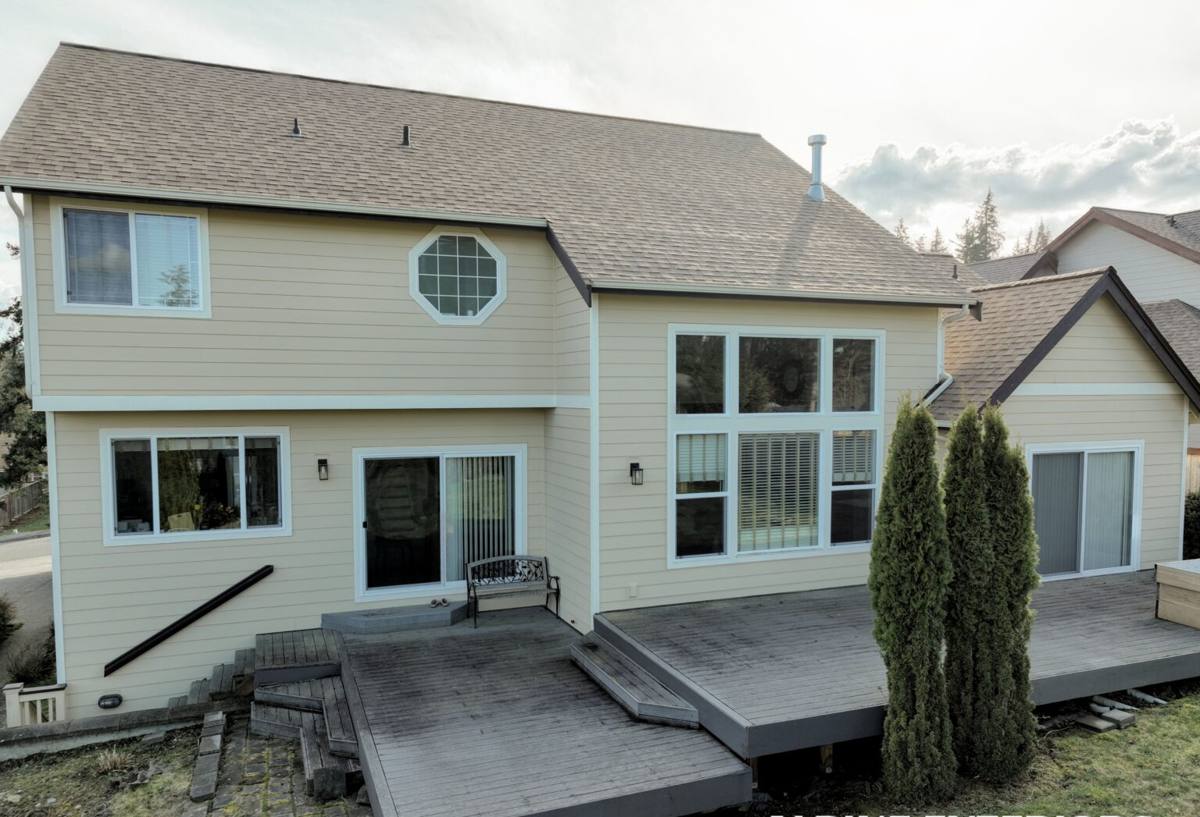
What Sun, Wind, and Salt Do to a Window Over Time
UV and Heat
Florida sun is hard on everything, but window components take it directly. Vinyl frames that aren't formulated for high UV exposure can fade, chalk, or go brittle at the corners years before a comparable frame would fail up north. Glazing seals and sealants dry out and shrink under constant heat cycling, which is usually the real cause when a homeowner notices fogging between panes — the seal gave out, not the glass itself.
Wind-Driven Rain
Straight-down rain is easy for any window to shed. Wind-driven rain, the kind that comes sideways during a squall line or a tropical system, tests the flashing, the sill pan, and the sealant joint around the frame. A window that looks fine in dry weather can still leak into the wall cavity during a wind-driven event if the water management behind the trim wasn't done right at install.
Salt Air Corrosion
Salt in the air settles on hardware, fasteners, and frame components even at properties that aren't waterfront. Over time it pits uncoated metal, seizes hinges and locks, and can corrode fasteners from the inside of the frame where you can't see it happening until something stops working.
Impact-Rated vs Standard Windows: What Florida Code Expects
Pinellas County's location puts it in a coastal wind-borne debris region under the Florida Building Code, which affects what's required for exterior openings on many projects — particularly replacements and new construction. In practice, that usually means choosing between impact-rated glazing or an approved separate protection system for the opening. Here's how the two basic approaches compare for a Largo home:
| Factor | Impact-Rated Windows | Standard Windows + Separate Protection |
|---|---|---|
| Storm prep effort | None — glazing stays in place | Shutters or panels must be installed before each storm |
| Daily UV/noise performance | Laminated glass also cuts UV transmission and outside noise | Depends entirely on the window itself |
| Upfront cost | Higher per opening | Lower window cost, but added cost of shutters/panels |
| Insurance considerations | Can factor into wind mitigation credits — verify with your carrier | May also qualify depending on protection type |
| Appearance | Clean, unobstructed year-round | Exterior look changes when protection is deployed |
Neither option is wrong — it's a real trade-off between upfront cost and long-term convenience. We'll walk through what your specific project needs based on the openings involved and your permitting requirements, rather than defaulting to whichever is easier for us to install.
Choosing a Frame Material That Lasts on the Gulf Coast
Frame material matters as much as glass here, since it's what takes the direct UV and salt exposure day after day. There's no single "best" material for every home — it depends on your budget, the home's style, and how exposed the property is.
| Frame Material | Salt Air Behavior | UV/Heat Behavior | Maintenance |
|---|---|---|---|
| Vinyl (UV-stabilized) | Won't corrode; good baseline choice | Quality varies — lower-grade vinyl can chalk or warp in full sun exposure | Low — occasional cleaning |
| Fiberglass | Excellent — doesn't corrode or pit | Very stable, minimal expansion/contraction from heat | Low |
| Aluminum | Needs a marine-grade or well-coated finish or it will pit over time | Handles heat well structurally, but conducts more heat into the home | Moderate — finish needs monitoring |
| Wood-clad | Cladding protects the wood, but any breach in the cladding invites rot near salt air | Good when properly maintained | Highest — needs regular inspection |
For most Largo homes we recommend fiberglass or a UV-stabilized vinyl as the practical choice, reserving aluminum or wood-clad for situations where the architecture calls for it and the homeowner understands the added upkeep.
What a Correct Custom Window Installation Actually Involves
Rough Opening Prep
Every opening gets checked for square, level, and sound framing before a new window goes in. Skipping this step is how you end up with a window that operates fine on install day but binds or leaks within a year as the frame settles into an imperfect opening.
Flashing and Water Management
This is the step that matters most for wind-driven rain resistance and the one most likely to get shortcut. A proper sill pan, correctly lapped flashing tape, and integration with the home's existing water barrier are what actually keep water out of the wall — the window unit itself is only part of the system.
Fastening and Shimming
Windows need to be shimmed plumb and fastened per the manufacturer's tested installation instructions to meet the wind load they're rated for. Fastening that doesn't match the tested pattern can void the impact rating even if the glass itself is correctly rated.
Sealant and Finish
Exterior sealant needs to be a product rated for sustained UV and movement, applied in a continuous bead with no gaps. This is the layer most exposed to sun and salt, so it's also the one that needs the most attention to product choice, not just workmanship.
Our Process for a Largo Window Project
- On-site assessment — we look at existing openings, framing condition, and any signs of past water intrusion before recommending anything.
- Product and glazing selection — we go over impact vs. protection options, frame material, and glazing performance based on your home's exposure and budget.
- Accurate measurement — custom windows are ordered to the actual opening, not a catalog size, which matters for older Largo homes with settled or irregular framing.
- Permitting — window replacement in Pinellas County typically requires permitting; we handle that paperwork rather than leaving it to the homeowner.
- Installation — removal of the old unit, opening prep, flashing, setting, fastening, and sealing done in that order, not skipped or reordered to save time.
- Walkthrough and cleanup — every window is operated and checked with you before we consider the job finished.
Signs Your Current Windows Are Already Losing the Battle
- Fogging or a visible haze between panes of double-pane glass
- Hardware — locks, cranks, hinges — that's stiff, corroded, or discolored
- Visible daylight or a draft around the frame when the window is closed
- Water staining or soft drywall on the interior wall below or beside a window
- Frames that are chalky, warped, or visibly faded compared to when installed
- Difficulty opening or latching that wasn't there a year or two ago
Any one of these on its own might be minor. Several together, especially on a home with older single-pane or non-impact windows, usually means it's worth a real evaluation rather than another round of patch repairs.
Why a Crew That Already Works This Neighborhood Matters
Window performance in coastal Pinellas County depends on details that don't show up in a manufacturer's brochure — how a specific street's exposure to wind and salt behaves, what the local permitting office expects on paperwork, and how older Largo-area construction was typically framed. A crew that's done this work here repeatedly isn't guessing at any of that. We're a Seminole-based operation, which means Largo isn't a drive-in job for us — it's part of the area we work regularly, and we're not disappearing after the invoice clears if a question comes up down the road.
Keeping New Windows Performing for the Long Haul
New windows still benefit from basic upkeep in this climate. Rinsing accumulated salt off frames and hardware periodically, keeping weep holes clear of debris so water can drain properly, and checking exterior sealant for cracking after a few years of sun exposure will all extend the life of a correctly installed window. None of it is complicated, but it's the kind of maintenance that gets skipped until something already needs repair.
If you're weighing whether to repair, replace, or upgrade the windows on a Largo property, we're glad to take a look and give you an honest read on what your home actually needs. Use the form below to request a free, no-pressure estimate.