 Seminole Siding
 The Redington Climate Problem: Why Standard Windows Don't Hold Up
Redington sits on the coast west of Seminole, close enough to the Gulf that salt air, sun, and wind are constant factors in how a home ages — not occasional events. Windows here take on a combination of stresses that inland Pinellas County homes simply don't deal with at the same intensity: salt-laden air that corrodes hardware and pits metal, year-round UV exposure that breaks down seals and vinyl faster than the manufacturer's rating assumes, wind-driven rain that gets pushed sideways into gaps a normal window would never leak from, and the real possibility of hurricane-force wind loading the frame and glass directly.
None of these factors are dramatic on their own. The problem is that they compound. A window that would last 20 years in a shaded, inland neighborhood might show frame fatigue, seal failure, or hardware corrosion in half that time a few blocks from the water. That's not a knock on any particular product — it's just what coastal exposure does, and it's the starting point for how we approach a window replacement job in this area.
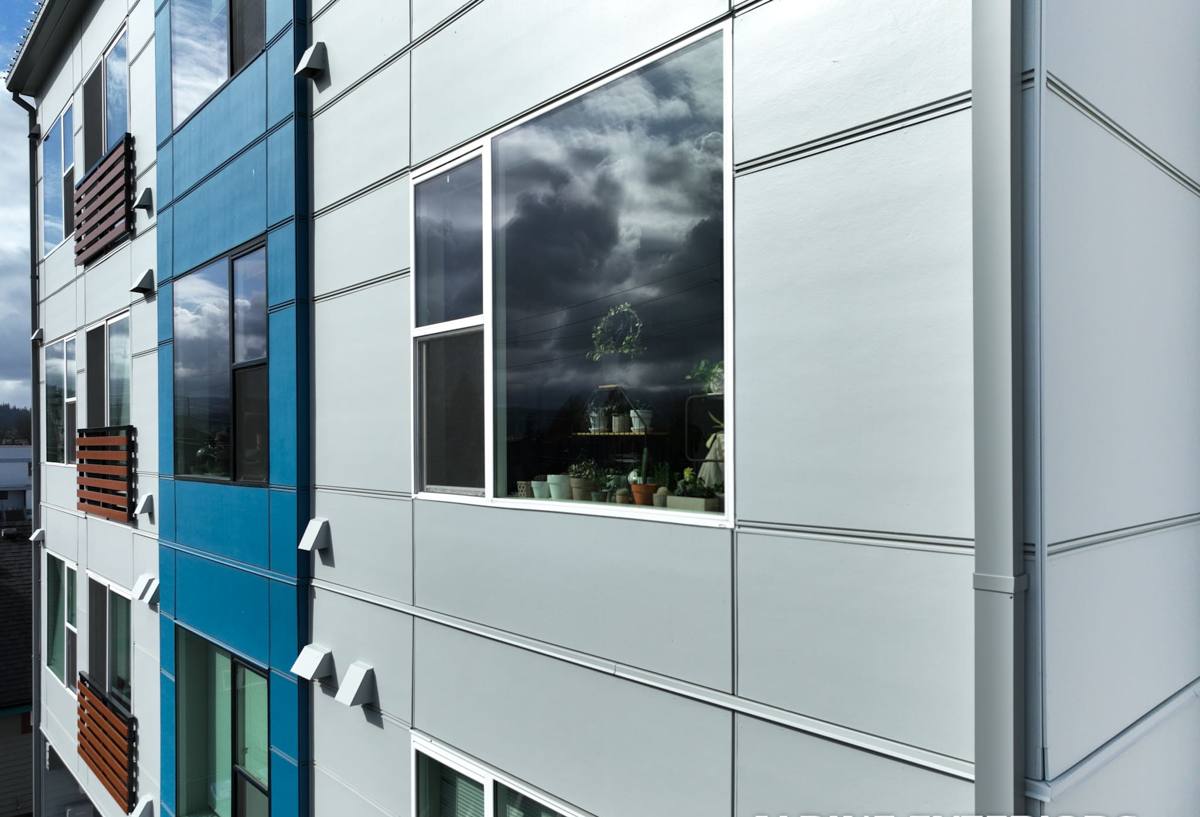
What "Local Crew" Actually Means for a Redington Job
A lot of window companies will happily quote a job in Redington without ever having installed one there. That matters more than it sounds like. Coastal barrier island and near-coastal properties often have older construction, a mix of block and frame-built homes, and openings that were never perfectly square to begin with — decades of humidity and settling see to that. A crew that's worked this specific stretch of coast has already seen the common surprises: out-of-plumb openings, old aluminum frames that were never properly flashed, stucco or siding that needs careful cutting back rather than covering over.
Permitting Near the Coast
Window replacement in Pinellas County requires a permit, and homes in coastal wind-borne debris areas are held to wind-load and impact-protection standards under the Florida Building Code on top of standard local permitting. A crew that regularly pulls permits for this part of the county already knows what the inspector will be looking for — correct anchoring, proper flashing and sealant details, documentation of the product's wind and impact rating — instead of learning it on your job. That translates to fewer inspection delays and fewer surprises mid-project.
What a Correct Window Replacement Job Involves
The window unit itself is only part of the job. Installation quality is what determines whether that window actually performs the way its rating suggests. A correct installation includes removing the old unit down to the rough opening, checking that the opening is square and sound, installing proper flashing to direct water away from the wall assembly, using the fastening schedule the product is actually rated for, and sealing the exterior with a sealant designed to hold up under UV and salt exposure — not just whatever caulk is on the truck.
Impact Glass vs. Standard Glass with Shutters
Homeowners in this area generally choose between two approaches to storm protection: impact-rated windows (laminated glass that resists penetration from wind-borne debris) or standard windows paired with separate storm shutters. Both can meet code. The trade-off is really about daily life versus prep time. Impact windows are "always on" — no deployment needed before a storm, plus better UV and sound control day to day. Shutters cost less up front but require someone to actually put them up every time a storm is approaching, which is a real factor if the home is a rental, a second property, or owned by someone who travels.
| Factor | What It Means in Redington | Typical Cost Direction |
|---|---|---|
| Impact-rated vs. standard glass | Impact glass costs more per window but removes the need for shutter storage, deployment, and upkeep | Higher upfront, lower ongoing effort |
| Frame material | Salt air is harder on some metals and finishes than others | Varies by product line |
| Window size and count | Larger openings and whole-house replacements have more material and labor per project | Scales with size/quantity |
| Wind zone / permit requirements | Coastal wind-load requirements can call for heavier-duty framing and anchoring | Adds engineering and inspection cost |
| Condition of existing opening | Older homes near the coast more often need opening repair before the new window goes in | Can add labor if damage is found |
Signs Your Redington Home's Windows Are Due for Replacement
Coastal wear doesn't always announce itself as a cracked pane. More often it shows up as smaller issues that add up. Worth checking for:
- Fogging or a hazy film between panes on double-pane windows — a sign the seal has failed
- Hardware (locks, cranks, hinges) that's stiff, corroded, or pitted from salt exposure
- Visible daylight or a draft around the frame when the window is closed
- Frames that feel soft, chalky, or are visibly warped or discolored from UV exposure
- Water staining on the wall or sill below a window after wind-driven rain
- Difficulty opening, closing, or fully latching a window that used to operate smoothly
- Noticeably higher AC bills without another explanation
Our Process, Start to Finish
- Free on-site estimate — we look at the actual openings, note condition issues, and talk through impact-rated versus standard options for your situation.
- Written quote — clear pricing by window, with the product's wind and impact rating spelled out so you know exactly what you're buying.
- Permitting — we handle the Pinellas County permit and provide the documentation an inspector will need for coastal wind-load compliance.
- Removal and opening prep — old units come out, and we address any rot, corrosion, or out-of-square framing before the new window goes in.
- Installation — proper flashing, correct fastening schedule for the product's rating, and sealant suited to sun and salt exposure.
- Final inspection and walkthrough — we confirm the permit closes out and walk the finished work with you before calling the job done.
Frame Materials That Hold Up Near Salt Air
Frame choice matters more here than it does a few miles inland. Vinyl frames are a common, cost-effective choice and generally handle salt air and moisture well, though quality varies a lot between product lines — thinner, lower-grade vinyl can warp under sustained coastal sun. Fiberglass frames tend to hold their shape and color longer under UV exposure and don't corrode, which is why they're often worth the added cost for homes that sit closer to the water. Aluminum frames are strong and slim-profile, but bare or poorly coated aluminum is genuinely vulnerable to pitting and corrosion in salt air over time, so the quality of the finish matters as much as the metal itself. Wood-frame windows look great but require real, ongoing maintenance in this climate — they're not our default recommendation for a coastal Redington home unless the homeowner already knows what that upkeep involves and wants that look specifically.
Maintaining Windows in a Salt-Air Environment
Even a well-installed, quality window benefits from basic upkeep near the coast. Rinsing frames and hardware periodically to knock off accumulated salt residue goes a long way toward preventing corrosion and keeping locks and cranks moving freely. It's also worth doing a quick visual check of exterior sealant once a year — sun and salt break down caulk faster here than inland, and catching a failed seal early is a lot cheaper than dealing with water intrusion later. If a window starts feeling stiff to operate, that's usually the moment to look into it, not wait for it to stop working entirely.
Why Hire a Crew That Already Works Redington
Every coastal community in Pinellas County has its own quirks — the age of the housing stock, the typical construction type, how the permitting office handles wind-load documentation, what materials actually hold up block by block. A crew that already works in and around Redington and Seminole has seen enough of these homes to know what to expect before the first window comes out, which means fewer mid-project surprises and a job that's built to the conditions this specific stretch of coast actually sees — not a generic install pulled from an inland template.
If your windows are showing wear, feeling drafty, or you're just ready to stop worrying about the next storm season, we're happy to take a look. Reach out for a free, no-pressure estimate using the form below — we'll walk your home, answer your questions honestly, and give you a clear picture of your options.