 Seminole Siding
 Madeira Beach Windows Work Harder Than Windows Almost Anywhere Else
Madeira Beach sits right on the Gulf, and that barrier-island location puts a lot of stress on a home's windows that inland properties never have to deal with. Salt-laden air corrodes hardware and frames. Intense, near-daily UV breaks down seals, finishes, and vinyl. Wind-driven rain finds every weak seam during a summer storm. And when a tropical system tracks toward Pinellas County, windows are one of the first things put to a real structural test. A window that's a good fit for a house forty miles inland isn't necessarily the right choice a few blocks from the beach.
We install windows across the Seminole and greater Pinellas County area, and Madeira Beach jobs get treated differently from the start — not because the installation steps change, but because the product selection, sealant choices, and attention to detail all have to account for a coastal exposure that doesn't forgive shortcuts.
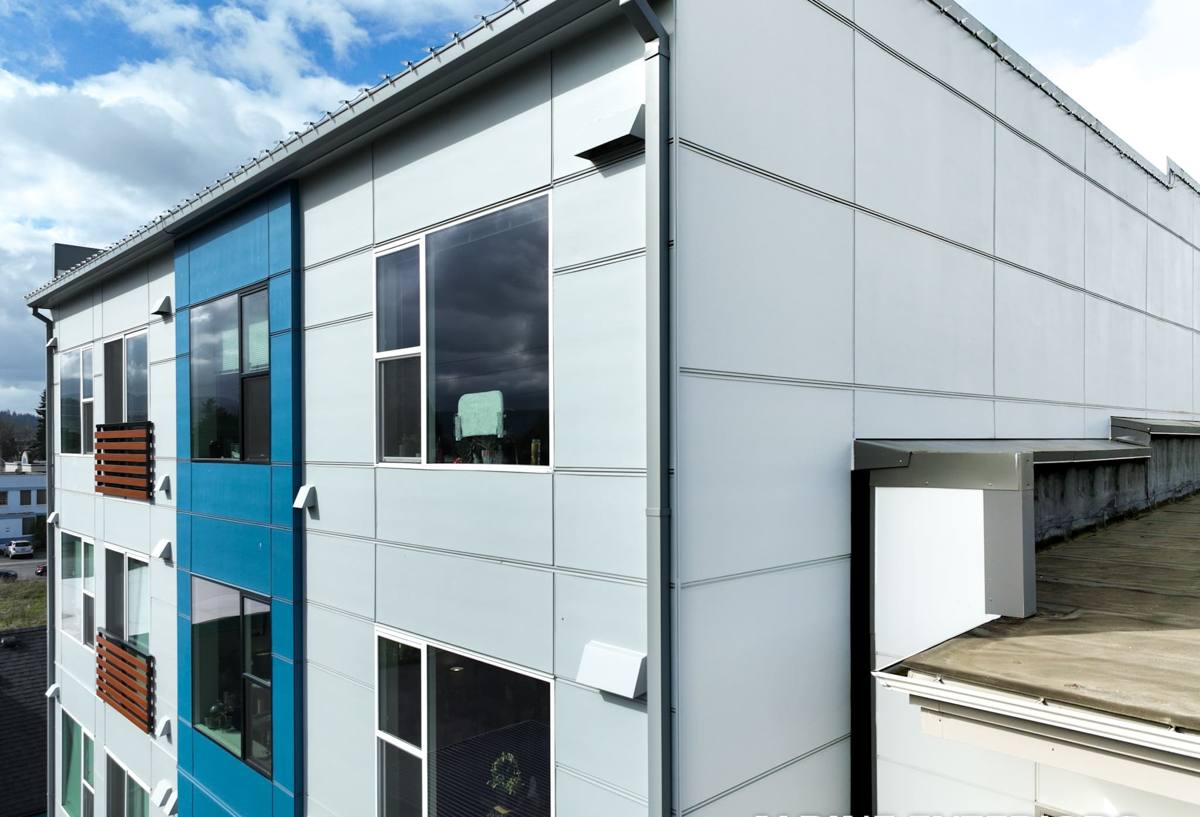
What Salt Air, UV, and Storms Do to Windows Over Time
Most window problems on the barrier island don't show up in year one. They show up in year five or eight, after the coastal environment has had time to work on cheap materials or a sloppy install.
- Salt air accelerates corrosion on screws, hinges, balances, and low-grade aluminum components — locks get stiff, cranks seize, and frames pit long before a comparable inland home would show wear.
- UV exposure breaks down vinyl plasticizers and rubber glazing seals, leading to discoloration, brittleness, and seals that fail years ahead of schedule.
- Wind-driven rain pushes water sideways during storms, which exposes any weak point in flashing or sealant that a calmer climate might never test.
- Hurricane-force wind loads put real pressure on a frame's attachment to the structure — an installation that isn't fastened and anchored correctly is the failure point, even when the window itself is rated for the load.
None of this means Madeira Beach homes need to fight a losing battle. It means the product and the installation both have to be matched to the environment, and that the install has to be done right the first time — repairs on a coastal window job are harder and more expensive than getting it correct up front.
Florida Building Code and Wind-Borne Debris Protection
Pinellas County enforces the Florida Building Code, and barrier-island properties like those in Madeira Beach typically fall within a wind-borne debris region, which generally means new and replacement windows need to be impact-rated or paired with approved protection. Exact wind-load numbers and permitting details vary by property and can change, so we don't guess — we confirm the specifics for your address and product selection before any order is placed.
Impact-rated products carry a Florida product approval or Miami-Dade Notice of Acceptance number, and that approval is only valid when the window is installed exactly the way its testing documentation specifies — a correctly rated window installed the wrong way doesn't carry the same protection it was tested for. Meeting code isn't paperwork for its own sake — it's the minimum standard for keeping the building envelope intact when a storm hits, which protects everything inside the house, not just the window opening itself.
What a Correct Window Installation Actually Involves
The window product is maybe half the equation. The other half is installation technique, and on a coastal property that half matters more than usual.
Flashing and Water Management
Every opening needs a flashing sequence that directs water back out, not into the wall cavity — sill pan flashing, properly lapped side and head flashing, and compatible sealants installed in the right order. Skipping or shortcutting this step is one of the most common causes of hidden water damage behind a window that looks fine from the room.
Fastening and Structural Attachment
Impact and impact-rated windows are only as strong as their attachment to the structure. That means the correct fastener type, spacing, and embedment into sound framing or masonry — following the manufacturer's tested installation instructions, not a generic approach. This is also where the buck size, shimming, and squaring of the unit get set, which affects both storm performance and how smoothly the window operates for years afterward.
Glass and Impact Rating
Impact-rated windows use laminated glass with an interlayer that holds the pane together under impact, rather than relying on a separate storm panel to do that job. Within impact glass there's still room to choose tint, clarity, and Low-E coatings to manage heat and glare, so moving to impact-rated glass doesn't mean giving up on comfort or curb appeal.
Sealants and Finish Work
Exterior sealant has to be compatible with the window frame material and rated for sun and salt exposure, not just whatever caulk happens to be on the truck. Interior finish work — trim, insulation around the frame, and a clean final seal — closes out the job and keeps conditioned air where it belongs.
Choosing a Frame Material for a Barrier Island Home
Frame material has a bigger effect on long-term performance in Madeira Beach than it does further inland, mainly because of constant salt exposure and sun. Here's how the common options generally compare for a coastal Pinellas County property:
| Frame Material | Salt-Air Resistance | Maintenance | Best Fit |
|---|---|---|---|
| Vinyl (impact-rated) | Good — won't corrode, though color and finish are affected by long-term UV exposure | Low | Most Madeira Beach homes; strong value for coastal durability |
| Aluminum | Fair — quality and coating vary widely; lower-grade hardware corrodes faster near salt water | Moderate | Homes wanting narrow sightlines; worth upgrading to marine-grade hardware and finish |
| Fiberglass / composite | Very good — dimensionally stable and resists salt and UV degradation well | Low | Owners planning to stay long-term and wanting the least upkeep over time |
| Wood / wood-clad | Poor without diligent upkeep — exposed wood suffers in salt air and humidity | High | Rarely recommended for direct coastal exposure without a real maintenance commitment |
Hardware Matters as Much as the Frame
Frame material gets most of the attention, but the hinges, cranks, locks, and weep system built into a window matter just as much this close to the water. Stainless steel or marine-grade hardware costs more up front, but standard-grade hardware is often the first thing to fail in a salt-air environment, sometimes years before the frame itself shows any wear.
We walk through this trade-off with every Madeira Beach homeowner before recommending a product, because the right window depends on how exposed the home is, how long you plan to own it, and how much upkeep you want to take on.
Our Window Installation Process
The steps don't change much house to house, but on a coastal property we spend more time up front on assessment and product matching than we would inland.
- On-site assessment — we look at existing window condition, framing, exposure, and any signs of past water intrusion before recommending anything.
- Product and code review — we confirm what's required for your specific property and match window options to your budget, style, and exposure level.
- Careful removal — old units come out without damaging surrounding stucco, siding, or framing, and we check for hidden rot or damage while the opening is exposed.
- Flashing and installation — proper flashing, correct fastening per manufacturer specs, shimming, and squaring before final attachment.
- Sealing and finish work — coastal-rated exterior sealant, interior insulation and trim, and a final operational check on every window.
- Cleanup and walkthrough — we remove debris and walk the job with you before calling it done.
Why a Crew That Already Works Madeira Beach Matters
Barrier-island jobs come with practical realities that don't show up on a mainland project: tighter lots, older homes with framing quirks from decades of renovations, and permitting that's specific to a property's flood zone and wind exposure. A crew that regularly works in Madeira Beach and the surrounding Seminole area already knows what to expect before the first window comes out, which means fewer surprises and fewer change orders once the job is underway.
Local experience also means we've seen how different products actually hold up a few years down the road in this exact environment, not just how they're rated on paper. Timing matters too: a crew that works this area year-round can plan projects around hurricane season instead of scrambling mid-storm-prep with a house full of open window openings.
Signs Your Madeira Beach Home's Windows Need Attention
A few warning signs are worth acting on before they turn into bigger repairs:
- Windows that are hard to open, close, or lock, especially if they used to operate smoothly
- Visible corrosion or pitting on frames, hinges, or hardware
- Fogging or moisture between panes of double-glazed units, which signals a failed seal
- Soft spots, discoloration, or staining on the wall or trim around a window
- Noticeable drafts or a jump in cooling costs during the hottest months
- Frames that are cracked, warped, or chalky from years of sun exposure
Any one of these is worth a closer look, and on a coastal property it's usually better to address it early rather than wait for a storm season to find the weak point for you.
If you're weighing whether it's time to replace windows on your Madeira Beach home, we're happy to take a look and talk through honest options — no pressure, no hard sell. Request a free estimate using the form below and we'll schedule a time to assess your home in person.