 Seminole Siding
 Why Pinellas Park Windows Need to Be Built for This Climate, Not Just Installed
Pinellas Park sits inland from the Gulf but still inside Pinellas County's coastal weather belt, which means the same forces that batter waterfront homes reach houses here too — just with a delay and a little less salt spray. Hurricane-force winds test the seal and structural anchoring of every window on the house. Intense, near year-round UV bakes vinyl, breaks down seals, and fades interior finishes through the glass. Wind-driven rain finds any gap in flashing or caulking and pushes water sideways into the wall cavity, not just down. And salt-laden air, even miles from open water, slowly corrodes hardware, screws, and untreated metal components over years of exposure.
A window that looks fine in a showroom in Ohio or a big-box catalog isn't necessarily built for what a Pinellas Park home actually experiences. Custom windows means matching the product, the glass package, the frame material, and the installation details to this specific climate and this specific house — not just cutting a stock unit down to fit an opening.
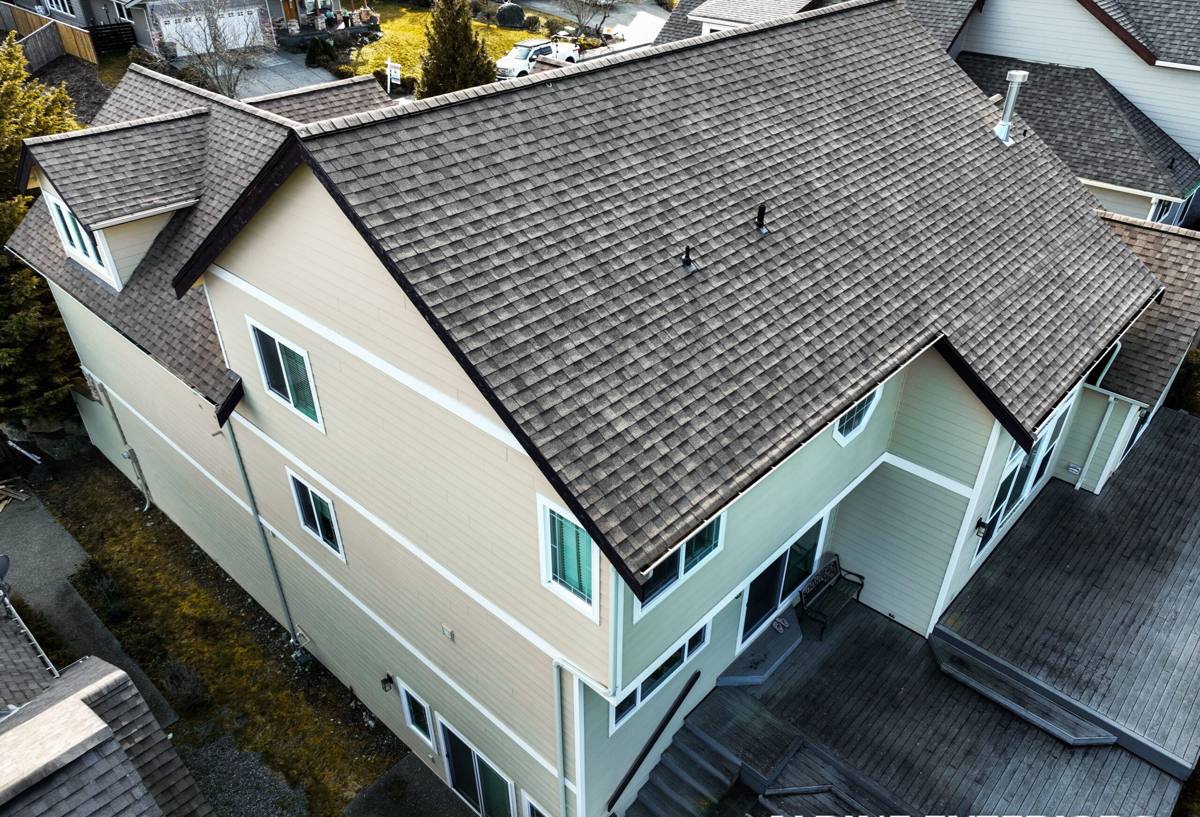
What "Custom" Actually Means for Your Home
Custom windows are made or configured to your home's exact openings, architectural style, and performance needs, rather than pulled off a shelf in standard sizes. For Pinellas Park homeowners, that usually covers a few different situations:
- Odd or non-standard openings — older Florida homes, additions, and renovated rooms often have openings that don't match modern standard sizes.
- Architectural shapes — arched tops, picture windows, bay or bow configurations, and other features that need to be built to spec.
- Matching existing sightlines — replacing one or two windows on a home where the rest will stay, and needing the new units to line up visually with what's already there.
- Upgraded performance specs — choosing glass, frame, and hardware specifically rated for coastal Florida wind and water exposure, not a generic "hurricane window" label.
Custom doesn't automatically mean more expensive across the board — a lot of Pinellas Park homes just need standard-style windows built to fit real-world openings that have shifted slightly over decades of Florida heat and humidity cycles.
Impact Glass, Wind Load, and Florida Building Code
Florida Building Code sets requirements for wind-borne debris protection in coastal counties, and Pinellas County is inside that region. In practical terms, that means new and replacement windows generally need to either carry impact-rated glass or be paired with approved shutters, and the products used have to carry the correct design pressure (DP) rating for the wind loads calculated for your home's exposure and location.
This isn't paperwork for its own sake. A window that isn't rated for the actual wind pressures it will see can fail at the frame or the glass under storm conditions, and once one opening fails, wind pressure inside the house can put a lot more stress on the roof structure than most people expect. Getting the rating right — and having a permit and inspection record to prove it — matters for insurance, for resale, and for how the house performs in an actual storm.
What a Correct Impact Window Installation Involves
- Verified design pressure rating matched to the specific wall and opening, not a blanket rating applied to the whole house.
- Impact-rated laminated glass, properly labeled, with documentation kept for permitting and insurance purposes.
- Correct anchoring into structural framing, not just into stucco, trim, or the old window buck.
- Sealant and flashing details that shed wind-driven rain rather than trap it.
- A final inspection that confirms the installation matches the permit, not just that a window is physically in the opening.
Frame Material: What Actually Holds Up in Pinellas Park
Frame material has more impact on long-term performance in this climate than most homeowners expect. Heat, UV, humidity, and salt air all interact differently with vinyl, aluminum, fiberglass, and wood.
| Frame Material | UV / Heat Behavior | Corrosion Resistance | Maintenance |
|---|---|---|---|
| Vinyl | Good when UV-stabilized; lower quality vinyl can yellow or warp over years of direct sun | Not corrosion-prone; hardware quality varies by manufacturer | Low — no painting, occasional cleaning |
| Aluminum | Handles heat well; can conduct more heat into the home without a thermal break | Needs a marine-grade or coated finish near salt air, or corrosion sets in over time | Moderate — watch for pitting and hardware corrosion |
| Fiberglass | Very stable under UV and heat, minimal expansion/contraction | Excellent — not susceptible to salt corrosion | Low, but higher upfront cost |
| Wood / wood-clad | Needs protection from UV and moisture; can degrade if seals fail | Vulnerable to moisture intrusion if not well-sealed | Highest — periodic refinishing and seal checks |
We don't push wood-clad or uncoated aluminum on homes in this area as a default, not because the products are bad, but because they demand a level of ongoing maintenance and seal integrity that most homeowners don't want to keep up with in a climate this hard on materials. Vinyl and fiberglass tend to be the more forgiving choices for most Pinellas Park homes, and we'll walk through the real trade-offs for your specific house rather than steering everyone toward one product.
Common Window Problems We See on Pinellas Park Homes
A lot of the work we do here isn't new construction — it's correcting what an earlier installation got wrong, or replacing windows that were never suited to this climate in the first place. Recurring issues include:
- Original single-pane or early dual-pane aluminum windows from older construction that were never upgraded to current wind-load standards.
- Failed seals on insulated glass units, showing up as fogging or condensation between the panes.
- Caulking and flashing that was never properly integrated with the wall's water management, letting wind-driven rain track in during heavy storms.
- Hardware — locks, hinges, cranks — corroded or seized from years of humidity and salt exposure.
- Frames installed without correct anchoring into structural framing, which shows up during a close inspection or, worse, during a storm.
How Our Process Works
Custom window work has more steps than a straight swap, and skipping any of them is where problems start. Our process for Pinellas Park homes generally runs:
- On-site assessment. We measure every opening individually — older homes rarely have perfectly uniform openings — and check the condition of the framing, sill, and existing flashing.
- Wind load and product selection. We determine the design pressure requirements for your home's exposure and pick products that meet or exceed them, matched to your style and budget.
- Permitting. We handle the permit application and documentation so the finished job has a clean inspection record tied to your address.
- Removal and prep. Old units come out carefully, and we inspect the framing underneath for rot, corrosion, or water damage before anything new goes in — problems hiding behind old trim are common in this climate.
- Installation. Windows are set, leveled, and anchored into structural framing, with sealant and flashing detailed to shed wind-driven rain rather than just look finished.
- Final inspection and walkthrough. We confirm the work passes inspection and walk you through operation, hardware, and any warranty paperwork.
Cost Factors to Expect
| Factor | Why It Moves the Price |
|---|---|
| Opening size and shape | Custom or non-standard openings cost more to fabricate and install than stock sizes |
| Glass package | Impact-rated laminated glass costs more than standard insulated glass, but reduces or eliminates the need for separate shutters |
| Frame material | Fiberglass and higher-grade vinyl run higher upfront than basic aluminum or entry-level vinyl |
| Framing repair | Rot or corrosion found during removal adds labor and material before the new window can go in correctly |
| Number of openings | Whole-house jobs typically bring a better per-window cost than one or two isolated replacements |
We won't quote a whole-house number over the phone without seeing the actual openings — condition varies too much house to house in this area for a ballpark to mean much.
Energy Efficiency and UV Protection
Beyond storm performance, glass package choice affects how much heat and UV get into the house. Low-E coatings block a meaningful share of solar heat gain and UV transmission without noticeably darkening the glass, which matters in a climate where air conditioning runs most of the year and UV fades flooring and furniture through unprotected glass. Impact-rated laminated glass, which most Pinellas Park homes need anyway for wind protection, also happens to block more UV than standard glass as a side benefit — one more reason it tends to be worth the upgrade even where code doesn't strictly require it on a given elevation.
Why a Crew That Already Works Pinellas Park Matters
Wind load requirements, permitting steps, and inspection expectations vary by jurisdiction, and a crew that already works in Seminole and Pinellas Park knows the local permitting process and what inspectors are looking for, without a learning curve on your project. Just as important, a local crew has seen how the specific mix of heat, storms, and salt air in this part of Pinellas County actually wears down different products over years, not just what a spec sheet claims. That's the kind of knowledge that shows up in the small details — flashing choices, sealant selection, hardware grade — that determine whether a window installation is still performing well five or ten years out.
What to Check Before Hiring Anyone for Custom Windows
- Florida contractor license and current insurance, verifiable and specific to window/exterior work.
- A written wind-load / design-pressure rating for the products they're proposing, not just a brand name.
- A clear permitting process, with the permit pulled in the contractor's name and an inspection scheduled.
- A real answer on how framing damage, if found during removal, will be handled and priced.
- A warranty that covers both the product and the labor, in writing.
Maintenance That Actually Protects Your Investment
Even a well-installed, correctly rated window benefits from basic upkeep in this climate. Rinse frames and hardware periodically to clear salt residue, especially after storms. Check and re-caulk exterior seals if you notice cracking or gaps developing. Operate locks and cranks a few times a year so hardware doesn't seize from disuse combined with humidity. And after any major storm, a quick visual check of seals and frames can catch a developing problem before the next heavy rain finds it.
If you're planning custom windows for a Pinellas Park home, we're glad to walk your property, look at your specific openings, and give you a straight assessment of what's needed — no pressure, no inflated numbers. Use the form below to request a free estimate.