 Seminole Siding
 Roofing in a Barrier Island Climate
Redington sits close to the open Gulf, which means the roofs here take a different kind of beating than a roof ten miles inland in Pinellas County. Salt-laden air corrodes fasteners and metal flashing faster than it does elsewhere. Wind off the water drives rain sideways under shingle edges and around vents. Summer sun bakes roofing materials from above almost every day of the year. And when a tropical system or a strong afternoon storm rolls through, wind-borne debris and gusts can lift, crack, or tear roofing materials in ways that aren't always obvious from the ground.
Storm damage roof repair in a coastal community like Redington isn't just "patch what's broken." It has to account for what the environment will keep doing to that roof the day after the repair is finished. A repair that works fine in a low-wind, low-salt part of the country can fail again within a season here if it isn't built for this specific climate.
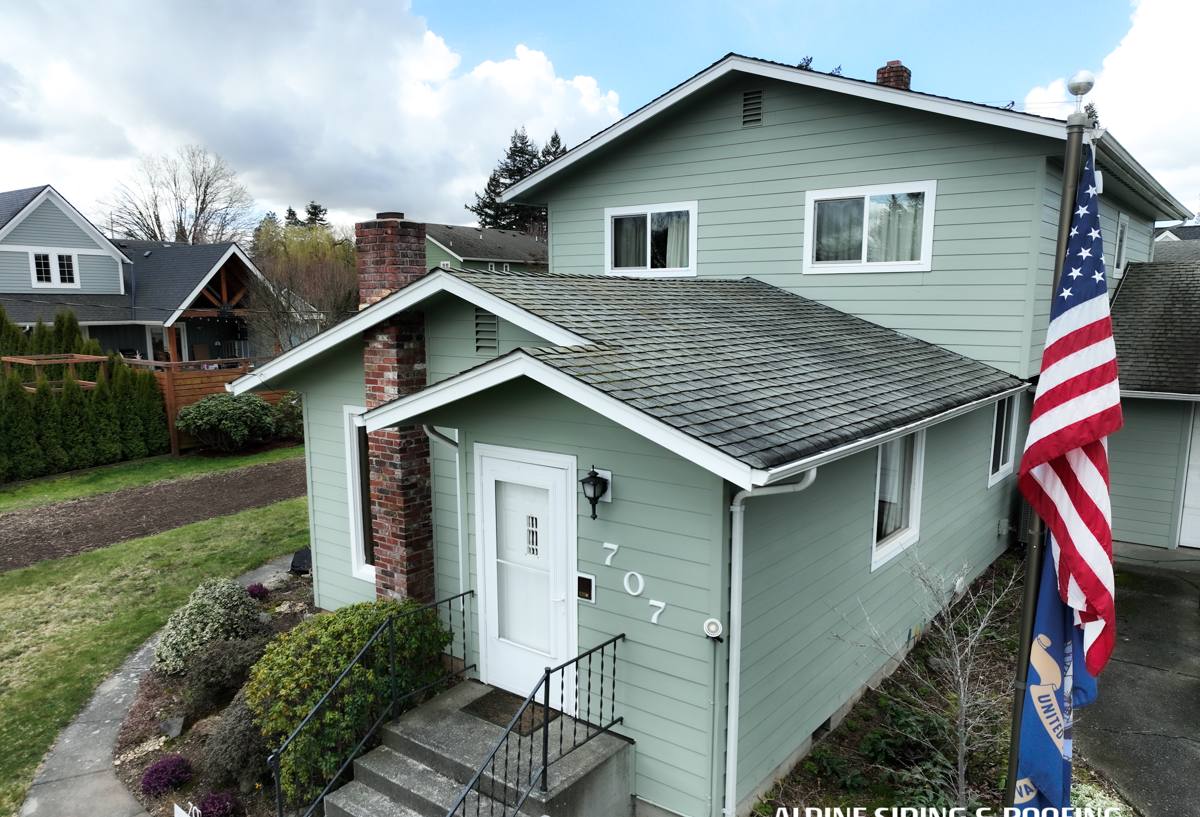
What Storm Damage Actually Looks Like
Not all storm damage announces itself with a visible hole or missing shingles. Some of the most costly damage is the kind that sits quietly for weeks before it shows up as a stain on a ceiling.
Visible damage
- Missing, cracked, or curled shingles or tiles
- Lifted or torn ridge caps
- Bent, loosened, or missing flashing around chimneys, skylights, and roof-to-wall transitions
- Dented or displaced vents and pipe boots
- Debris impact marks (limbs, patio furniture, roofing granules in gutters)
Hidden damage
- Wind-lifted shingles that reseal on their own but no longer seal watertight
- Cracked underlayment beneath intact-looking shingles
- Nail backout from repeated wind flexing
- Soft or saturated decking under a roof surface that still looks fine
- Slow leaks that only show up during the next heavy rain, not the one that caused them
That second list is why a proper inspection after any significant wind or rain event matters more than a quick look from the driveway. Water that gets past a compromised seal doesn't always drip straight down — it can travel along decking or framing before it ever stains a ceiling.
Why Waiting Costs More Than the Repair
A small area of storm damage — a few lifted shingles, a bent piece of flashing — is usually a straightforward, affordable fix. Left alone through a few more rounds of wind and rain, that same small area lets moisture reach the decking underneath. Wet decking softens, loses its ability to hold fasteners, and eventually needs to be replaced rather than just resealed. In Redington's humidity, exposed wet wood also invites rot and mold faster than it would in a drier climate.
The practical takeaway: the gap between "minor repair" and "major repair" often isn't the size of the original storm event — it's how long the damage sat unaddressed. Getting a roof looked at soon after a storm, even if nothing looks obviously wrong, is one of the cheapest insurance policies a homeowner has.
What a Correct Storm Repair Involves
Storm damage repair done right isn't a cosmetic patch. It's a targeted process that matches the scope of the repair to the actual extent of the damage, without over-selling a full re-roof when it isn't needed and without under-scoping a repair that will fail again in the next storm.
Assessment first
We walk the roof (not just the ground) to check the surface, flashing, penetrations, and — where accessible — the attic or roof deck for moisture, staining, or soft spots. Wind damage in particular is easy to underestimate from a ladder alone.
Matching materials, not guessing
Repairs need to tie into the surrounding roof correctly — matching shingle profile and color as closely as the market allows, using compatible underlayment, and following the same fastening pattern the rest of the roof uses (or better, if the original installation was under-fastened for this wind exposure).
Coastal-appropriate materials
In a salt-air environment, we use corrosion-resistant flashing and fasteners rather than standard-grade materials that will rust and fail early here. It costs a little more up front and saves a repeat repair down the line.
Code-compliant fastening
Florida's building code sets wind-resistance and wind-borne-debris requirements that are stricter along the coast than they are inland. Any repair or replacement work should meet those standards, not just the minimum needed to make the roof look finished.
Storm Damage vs. Full Roof Replacement
| Situation | Repair Usually Makes Sense | Replacement Should Be Considered |
|---|---|---|
| Damage location | Isolated area (one slope, one section) | Spread across multiple slopes or the whole roof |
| Roof age | Roof has years of useful life left | Roof is already near the end of its expected lifespan |
| Decking condition | Decking is dry and sound | Decking is soft, rotted, or saturated in multiple spots |
| Material availability | Matching material is available | Original material is discontinued or badly weathered vs. new |
| Storm history | First significant damage event | Repeated damage from consecutive storms |
An honest contractor will tell you when a repair is the right call and when it isn't — including when replacement is actually the more cost-effective long-term choice, even if a repair is technically possible.
What Affects the Cost of a Storm Repair
Every roof and every storm is different, so we don't quote sight-unseen — but homeowners planning ahead should understand the main variables:
| Factor | Why It Matters |
|---|---|
| Size of the damaged area | More square footage of shingles, underlayment, and decking to replace |
| Roof pitch and access | Steeper roofs and homes with limited access take longer and require more safety setup |
| Decking damage | Rotted or saturated decking has to be cut out and replaced before new roofing goes on |
| Flashing and penetrations involved | Chimneys, skylights, and multiple vents add labor and material |
| Material match | Discontinued or specialty materials can add cost and lead time |
As a very general reference point, minor localized repairs (a section of shingles, a flashing point) often run in the low hundreds to low thousands of dollars, while repairs involving decking replacement or multiple areas of damage climb from there. A firm number only comes after we've actually looked at the roof.
Insurance Documentation
Storm damage repairs frequently involve a homeowner's insurance claim. We're not adjusters and we don't negotiate your policy for you, but we do provide what most insurers ask for: dated photos of the damage, a written description of what happened and what it will take to fix it, and a scope of work that matches the actual repair being done. Having that documentation in hand before you file, or soon after, tends to make the claims process move faster and reduces back-and-forth with the adjuster.
Our Process, Start to Finish
- Contact and scheduling — describe what happened (storm date, visible symptoms) so we know what to look for.
- On-roof inspection — a physical walk of the roof, not just a ground-level look, plus interior/attic check where accessible.
- Emergency mitigation if needed — tarping or temporary sealing to stop active leaks while a full repair is scheduled.
- Written scope and estimate — what's damaged, what needs to happen, and what it will cost, in plain language.
- Repair — matched materials, correct fastening, coastal-grade flashing and fasteners where appropriate.
- Cleanup and final check — debris removed, work area cleared, repair inspected before we call it done.
Why Local Experience in Redington Matters
A crew that regularly works this stretch of Pinellas County knows things a contractor coming from farther inland has to learn on the fly: how much faster salt air ages standard fasteners and flashing here, what older beach-area roof decking commonly looks like once you open it up, and how wind exposure on a barrier island differs from a roof a few miles inland even within the same storm. That familiarity shows up in fewer surprises mid-repair and materials chosen for the environment they'll actually sit in, not just the environment on a spec sheet.
It also means faster response. After a storm affecting the Seminole area, access and scheduling can get tight fast — homeowners working with a contractor who already knows the area and its permitting requirements typically get seen and repaired sooner than those starting from scratch with an unfamiliar crew.
After a storm, here's a practical checklist
- Photograph any visible roof, gutter, or exterior damage as soon as it's safe to do so
- Check ceilings and attic spaces for new staining, dampness, or a musty smell
- Avoid walking on the roof yourself, especially if it's wet or you're unsure of its condition
- Note the date and general conditions of the storm for insurance purposes
- Get a professional inspection even if damage isn't obvious — hidden damage is common
- Address tarping or temporary protection quickly if there's an active leak
If a recent storm has you wondering whether your Redington roof needs attention, we're happy to take a look. Reach out for a free, no-pressure estimate using the form below — we'll walk the roof, tell you honestly what we find, and lay out your options in plain terms.