 Seminole Siding
 Why Decks in Ridgecrest Wear Out Faster Than the Rest of the Country
A deck built in Ohio or Colorado doesn't face what a deck in Seminole faces. Here in Pinellas County, decks are hit from every direction at once: intense UV exposure nearly year-round, salt-laden air drifting in off the Gulf and the bay, wind-driven rain that gets pushed sideways into joints and seams, and the periodic hurricane-force winds that test every fastener and connection a deck has. None of these show up as a single dramatic failure. They show up as a slow accumulation of small problems that, left alone, turn into big ones.
That's the case for repair over replacement in a lot of situations, and it's also the case for getting the repair done correctly the first time. A deck that's patched instead of properly repaired in this climate doesn't fail gracefully — it fails at the worst possible moment, usually during a storm or when someone's leaning on a railing.
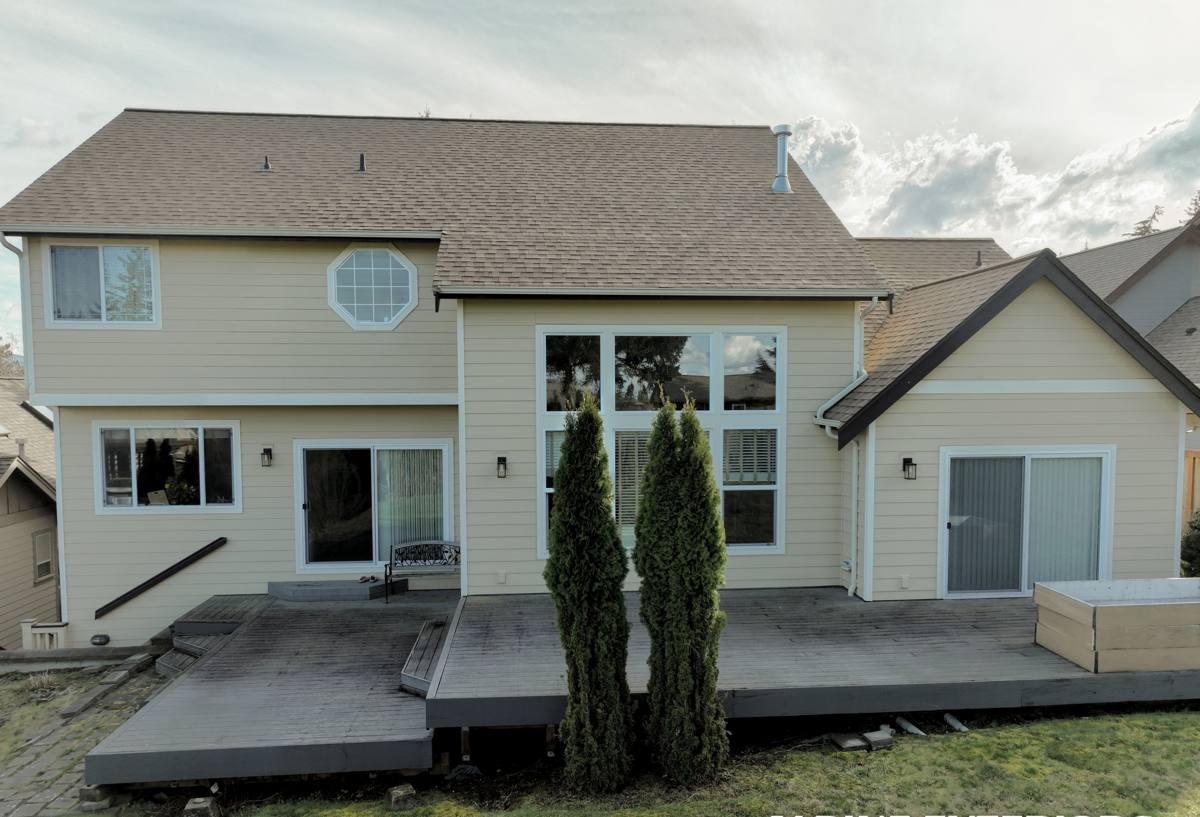
The Deck Problems We See Most Often in This Part of Seminole
Ledger Board and House Attachment
The ledger board — the piece that bolts the deck to the house — is the single most important structural connection on most decks, and it's also the one most often installed or flashed incorrectly. Wind-driven rain works its way behind poorly flashed ledgers over time, soaking the rim joist and sill area of the house itself. By the time this shows up as a soft spot or discoloration, the damage has usually been happening for years. Any legitimate deck repair starts with checking this connection, not the boards people can see.
Fastener and Hardware Corrosion
Salt air accelerates corrosion on metal fasteners, joist hangers, and post hardware well beyond what you'd see even a few miles further inland. Standard galvanized fasteners that hold up fine in a drier, less coastal climate can start rusting and weakening within a handful of years here. Once a fastener corrodes, the wood around it loosens, moisture gets in, and the cycle accelerates.
Board Cupping, Splitting, and Surface Failure
Constant UV exposure dries out and breaks down the surface fibers of wood decking, while humidity and rain keep pumping moisture back in. That push-pull cycle is what causes cupping, splitting, and checking in deck boards — it's not random, it's a direct result of Florida's specific combination of sun and moisture.
Post Base and Footing Movement
Florida's sandy soils and seasonal wet periods can allow posts and footings to shift slightly over time, especially on older decks that weren't built with modern post base hardware. A deck that feels slightly springy or uneven often has a footing issue, not just a surface issue.
Railing and Guard Issues
Railings take direct wind load and constant hand contact, and in a lot of older homes around Seminole they were built to whatever code (or no code) applied decades ago. Loose balusters, undersized posts, and railings that don't meet current height and spacing requirements are extremely common on repair calls.
What a Correct Deck Repair Actually Involves
There's a real difference between a repair that solves the problem and one that just makes the deck look better for a season. The table below is a useful way to think about what separates the two.
| Repair Approach | What It Actually Does | Typical Result |
|---|---|---|
| Surface patch (sand, re-nail, spot paint) | Addresses only visible cosmetic issues | Looks better short term; underlying rot or corrosion continues |
| Board-by-board replacement without inspecting framing | Fixes what's on top, ignores what's underneath | New boards fastened to compromised or corroded framing |
| Full structural repair (framing, ledger, hardware, then decking) | Diagnoses and fixes the actual cause, then restores the surface | Deck is sound and the repair actually lasts |
A correct repair starts underneath the deck, not on top of it. That means checking the ledger connection and flashing, probing joists and beams for soft or spongy wood, inspecting hardware for corrosion, and confirming posts and footings are stable — before any decking board gets replaced or refastened. Skipping this step is the most common reason a "repaired" deck has the same problem again within a year or two.
Wood vs. Composite: What Makes Sense for a Repair in This Climate
When we're repairing a deck, one of the first questions is whether to replace damaged sections with matching wood or transition those areas to composite decking. There's no universally right answer — it depends on the extent of the damage, the age of the existing deck, and what the homeowner wants to deal with going forward.
| Factor | Pressure-Treated Wood | Composite Decking |
|---|---|---|
| Upfront cost | Lower | Higher |
| Maintenance | Periodic sealing/staining needed to resist UV and moisture | Minimal maintenance; occasional cleaning |
| UV and moisture behavior | Can cup, split, or gray without upkeep | Resists cupping and splitting; color may fade slightly over years |
| Matching existing decking | Easier to blend into an existing wood deck | Difficult to match exactly if the rest of the deck is older wood |
| Long-term cost | Lower material cost, higher ongoing maintenance cost | Higher material cost, lower ongoing maintenance cost |
Our honest take: if only a portion of the decking needs replacing and the homeowner intends to keep sealing the deck regularly, matching wood is usually the more practical repair. If the whole deck surface is showing widespread wear, that's often the right moment to move to composite instead of continuing to replace wood board by board every few years. We'll walk through the actual condition of your deck and give you a straight recommendation rather than pushing one material by default.
Our Deck Repair Process
- On-site inspection — we get underneath the deck, not just look at the surface. Ledger, framing, hardware, and posts all get checked.
- Written scope — you get a clear explanation of what's actually wrong and what it will take to fix it, not just a quote for new boards.
- Structural repair first — any compromised framing, corroded hardware, or ledger flashing issues get addressed before cosmetic work starts.
- Decking and railing repair or replacement — matched or upgraded materials installed to current fastening standards.
- Final check — railings tested for stability, connections re-verified, and the deck walked before we consider the job done.
Permits and Code Requirements in Pinellas County
Deck repairs that involve structural framing, ledger reattachment, or railing replacement typically require a permit in Seminole and unincorporated Pinellas County — this isn't optional paperwork, it's what protects you if there's ever an issue with the work down the line, including at resale. Guard railings on decks above a certain height generally need to meet a 36-42 inch height requirement with baluster spacing that prevents a small child from passing through, and older decks in established neighborhoods often predate current code. Part of doing a repair correctly is bringing those elements up to current requirements where the scope of work touches them, not just replicating what was there before.
Signs Your Deck Needs Repair Now, Not Later
- Boards that feel spongy, soft, or flex noticeably underfoot
- Visible rust streaking around fasteners or hardware
- Railings or posts that wobble or shift when pushed
- Gaps, dark staining, or soft wood where the deck meets the house
- Cupped, splitting, or badly checked deck boards
- Stairs that feel uneven or bounce when walked on
- Visible daylight or separation at joist hanger connections
Any one of these on its own might be minor. Two or more together usually means the deck needs a real structural look, not just a cosmetic fix.
Why It Matters to Hire a Crew That Already Works in Ridgecrest
Deck repair isn't the same job in every part of the country, and honestly it isn't even the same job everywhere in Florida. A crew that regularly works in Seminole and the surrounding Pinellas County neighborhoods knows what salt air does to fasteners over a five-year span, knows how wind-driven rain finds its way behind a poorly flashed ledger, and knows what current code requires for railings and guards on a repair in this jurisdiction. That's the kind of knowledge that only comes from doing this work locally and repeatedly — not from a general handyman crew treating your deck like it's in a different climate. It's also why we check the framing before we ever touch the surface: a deck repair that looks good but wasn't inspected properly underneath is a deck repair that's going to need doing again.
If your deck in Ridgecrest is showing any of the wear described above, or you just want an honest opinion on whether it needs repair, partial rebuilding, or nothing more than routine maintenance, we're happy to take a look. Use the form below to request a free, no-pressure estimate.