 Seminole Siding
 Siding Replacement for Ridgecrest Homes in Seminole
Ridgecrest is a settled residential pocket of Seminole, and like most of Pinellas County it sits close enough to the Gulf that salt air, humidity, and storm wind are simply part of owning a house here. Siding on Ridgecrest homes is doing real work every day — not just holding paint and looking presentable. When it starts to fail, the failure is usually happening behind the surface before it ever shows up as a crack or a stain you can see from the driveway. This page covers what siding replacement actually involves for a Ridgecrest home, what the climate demands from the material and the install, and how our crew — which already works this neighborhood — approaches the job.
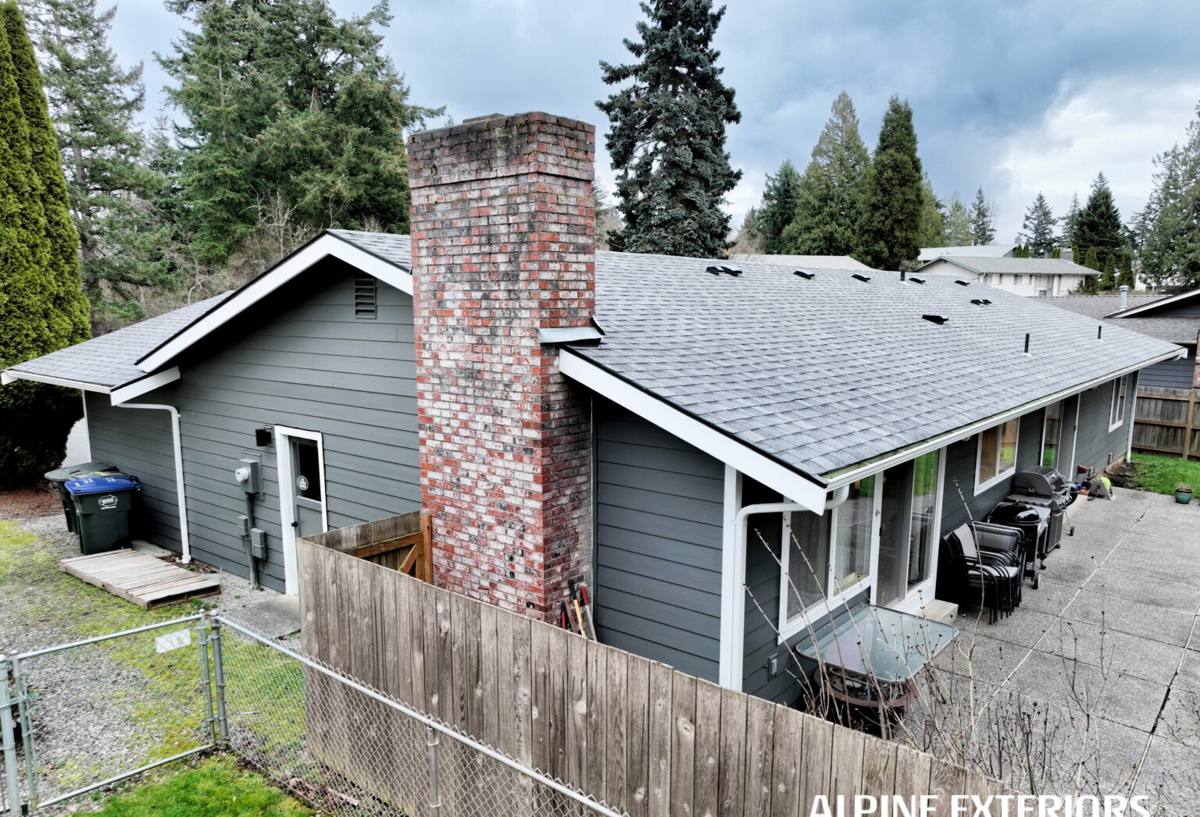
What Ridgecrest's Climate Does to Siding
Seminole doesn't get the harshest coastal exposure in the county, but it's close enough to the water that four things wear on siding year-round:
- Hurricane-force wind: Even a storm that doesn't make direct landfall can push sustained gusts strong enough to flex panels, work fasteners loose, and drive water behind seams that aren't properly lapped or caulked.
- Wind-driven rain: Florida rain rarely falls straight down. Sideways rain during a squall finds every gap in flashing, trim, and butt joints — which is why the details behind the siding matter as much as the siding itself.
- Intense, near year-round UV: Direct sun breaks down pigments and resins in lower-grade siding and paint film faster than in most of the country. Fade, chalking, and surface degradation show up sooner here than they would further north.
- Salt air: Even a few miles inland, airborne salt accelerates corrosion of fasteners and trim hardware and contributes to the general breakdown of anything not built to handle a marine-adjacent environment.
None of this is unique to Ridgecrest — it's true across Seminole and most of Pinellas County. But it means siding decisions made for a house in, say, the Midwest often don't hold up the same way once they're installed on a Gulf Coast home.
Signs a Ridgecrest Home Needs Siding Replacement, Not Just a Repair
Not every siding problem calls for a full tear-off. But there's a point where patching becomes a losing game, and recognizing that point early saves money.
Repair usually makes sense when:
- Damage is isolated to one or two panels, typically from an impact or a single storm event
- The underlying sheathing and house wrap are confirmed dry and sound
- The rest of the siding is a similar age and in generally good condition
Replacement is the right call when:
- Soft spots, bubbling, or visible warping show up in multiple areas, not just one
- Siding is original to a home built more than 20-25 years ago and shows widespread wear
- There's evidence of moisture intrusion — staining, musty smells near exterior walls, or soft trim
- Previous repairs are stacking up and the material itself (not just the installation) is the problem
- You're seeing consistent fading, chalking, or surface breakdown across most of the house
A honest inspection tells you which category you're in before any work starts. If a repair genuinely solves the problem, that's what we'll recommend — a full replacement isn't the answer to every siding call.
What a Correct Siding Replacement Involves
Siding replacement is not just removing old panels and nailing up new ones. In a wind- and moisture-exposed area like Ridgecrest, the sequence and details behind the visible surface determine whether the job holds up through the next decade of storms or fails quietly from the inside.
The core steps:
- Tear-off and inspection: Removing the old siding down to the sheathing, and actually looking at what's underneath — rot, delamination, insect damage, or wet insulation all need to be addressed before new siding goes on, not covered up.
- Sheathing repair: Any compromised OSB or plywood gets replaced. Installing new siding over damaged sheathing just relocates the problem a few years down the road.
- Weather-resistive barrier: A correctly lapped, properly taped house wrap goes on before siding — this is the layer that actually stops wind-driven rain that gets past the surface.
- Flashing at every penetration: Windows, doors, hose bibs, light fixtures, vents — every place something interrupts the wall plane is a place water can get in if flashing isn't done right.
- Fastening to manufacturer spec: Correct nail type, spacing, and depth matter more in high-wind zones than almost anywhere else in the country. Fasteners driven wrong are one of the most common causes of siding failure in storms.
- Trim and joint sealing: Butt joints, corners, and trim intersections get sealed with products rated for the exposure, not whatever caulk happened to be on the truck.
- Final inspection: Every course checked for level, every seam checked for gaps, before we call the job done.
Skip or rush any one of these steps and the siding might look fine for a year or two before problems surface — usually after the crew that installed it is long gone.
Why We Only Install James Hardie Fiber Cement
We get asked why we don't offer vinyl, LP SmartSide, or other engineered wood products, and it's a fair question. The honest answer is that we've made a standard for ourselves based on what actually holds up in this climate, and we'd rather turn away a job than install something we don't believe will perform on a Gulf Coast home.
Vinyl siding is affordable and easy to install, and for a lot of the country it's a perfectly reasonable choice. But it's a plastic product, and heat and direct UV — which Seminole has no shortage of — soften and stress vinyl over time, especially on south- and west-facing walls. It can also become brittle in ways that show up during wind events.
Engineered wood products like LP SmartSide use a wood-strand core with a resin coating. It's a real improvement over older wood siding, but it's still a wood-based product at its core, and wood-based products are inherently more sensitive to sustained moisture exposure than fiber cement — a real factor in a county with our humidity and rain patterns.
James Hardie fiber cement is what we've standardized on because it's non-combustible, doesn't rot, holds paint and factory finish far longer under intense UV, and is engineered specifically for climates like ours — Hardie's HZ5 product line is formulated for exactly the humidity and moisture exposure Florida homes deal with. It's not the cheapest option on the market, and we're upfront about that. But we'd rather install one product correctly and stand behind it than juggle several and hope each one performs.
James Hardie Product Lines for Ridgecrest Homes
| Product | Best Use | Why It Fits This Climate |
|---|---|---|
| HardiePlank lap siding | Most common choice — full exterior replacement | Traditional look, available in smooth or cedar-textured finish, engineered for wind and moisture exposure |
| HardiePanel vertical siding | Accent walls, gables, modern-style facades | Clean vertical lines, holds up well on exposed upper wall sections |
| HardieTrim boards | Corners, window and door trim, fascia | Resists the moisture and insect issues that affect wood trim in this climate |
| ColorPlus factory finish | Any of the above | Baked-on finish resists Florida's UV fade far longer than field-applied paint |
For most Ridgecrest homes, HardiePlank lap siding with a ColorPlus finish is the standard recommendation — it matches the traditional look most homes in the area already have, and it's the combination we've seen perform most consistently under sun, wind, and rain over the long term.
Our Process for Ridgecrest Jobs
Because we already work in Seminole and the surrounding Pinellas neighborhoods, we're not learning the local wind zone requirements or permitting process on your job. That familiarity shortens the front end of the project and reduces surprises.
What to expect:
- An in-person inspection and honest assessment — repair vs. replacement, and why
- A written estimate with clear scope, so you know exactly what's included before work starts
- Permitting handled correctly for Pinellas County and Seminole's requirements
- A defined start-to-finish timeline, communicated up front and updated if anything changes
- Daily job site cleanup — no debris or fasteners left in the yard overnight
- A final walkthrough where you can ask questions and see the completed work before we consider the job done
What Affects the Cost of Siding Replacement
Every home is different, so we don't publish blanket pricing — but these are the real factors that move the number up or down:
| Factor | Effect on Cost |
|---|---|
| Home size and number of stories | More square footage and harder-to-access upper walls increase labor time |
| Condition of existing sheathing | Rot or moisture damage found during tear-off adds repair scope |
| Siding profile chosen | Lap vs. panel vs. mixed styles affects material and labor |
| Trim and detail work | Homes with more corners, windows, and architectural detail take longer to trim out correctly |
| Finish selection | ColorPlus factory-finished products cost more upfront but reduce future repainting |
We walk through these factors with you during the estimate so the number you get reflects your actual house, not a generic average.
A Practical Pre-Estimate Checklist
Before we come out, it helps to walk your own exterior and note what you see. Bring this list with you when we talk:
- Areas where paint is peeling, bubbling, or has stopped adhering
- Any soft spots you can press in with a hand near the base of walls or under windows
- Visible gaps, cracks, or separation at seams and corners
- Interior signs — stains, soft drywall, or musty smell near exterior walls
- How old the current siding is, if known, and whether it's been repaired before
- Any specific storm events (recent or past hurricane seasons) that preceded new damage
Ridgecrest homes see a real range of ages and prior siding choices, and having this information ready makes the on-site inspection faster and more useful.
If your Ridgecrest home's siding is showing wear, or you're just not sure whether you're looking at a repair or a replacement, we're happy to take a look. The estimate is free, there's no pressure, and you'll get a straight answer either way — use the form below to get started.