 Seminole Siding
 Board & Batten on a Barrier Island Street
Board and batten has become one of the most requested looks for homes near St. Pete Beach — the vertical lines read as clean and modern on new builds, and they pair well with the coastal-cottage and Florida vernacular styles that dominate this stretch of Pinellas County. It's a good-looking profile. It's also a profile that punishes shortcuts more than most, because every seam between a board and a batten is a place water can find its way behind the cladding if the install isn't right.
We install board and batten exclusively in James Hardie fiber cement, and only on homes in and around Seminole and St. Pete Beach where we can control the details — flashing, fastening, gapping, and finish — that decide whether this siding lasts twenty-plus years or turns into a maintenance headache in five.
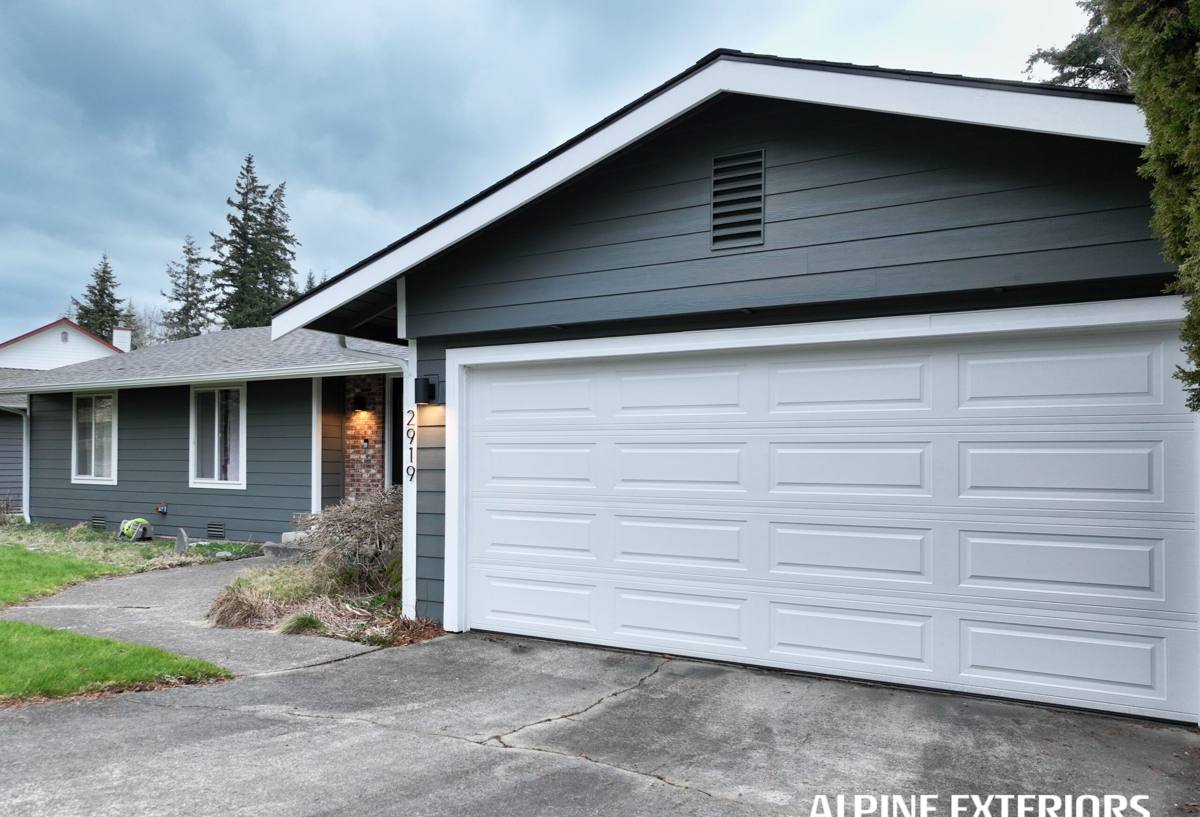
What This Climate Does to Vertical Siding
St. Pete Beach sits close enough to the Gulf that salt-laden air is a constant, not an occasional event. Add in Pinellas County's intense, nearly year-round UV exposure, hurricane-force wind gusts during tropical systems, and the wind-driven rain that comes sideways off the water during a squall, and you've got a combination that tests every material and every seam on a home's exterior.
Vertical board and batten has more exposed edges and more vertical seams than horizontal lap siding, which means more opportunities for water to track downward behind the boards if the underlying moisture barrier and flashing aren't installed correctly. On a barrier island block, that risk compounds:
- Salt air accelerates corrosion on fasteners and metal flashing that isn't rated for coastal exposure
- UV intensity breaks down paint film and caulk faster than it would inland, which is why factory-cured finishes matter more here than in most of the country
- Wind-driven rain pushes moisture up and sideways, defeating siding systems that rely on gravity alone to shed water
- Storm-force wind loads put real uplift pressure on every fastener, especially on taller vertical runs near rooflines and gable ends
None of this means board and batten is a poor choice for St. Pete Beach. It means the material and the installation both have to be built for this specific exposure, not just for "Florida" in general.
Why We Only Install It in James Hardie
Wood-look vertical siding has been sold in a lot of materials over the years — primed spruce, cedar, engineered wood, vinyl panel systems — and each of them has a real weakness on a coastal Pinellas County home. Primed wood and cedar absorb moisture at cut edges and swell, cup, or rot faster in salt air and humidity than most homeowners expect. Vinyl vertical panels can warp or fade under sustained UV and don't hold up structurally in the wind speeds this coastline sees during storm season. We don't install any of those on this profile.
James Hardie fiber cement is cement, sand, and cellulose fiber — it doesn't absorb water the way wood does, it's non-combustible, and it doesn't degrade under UV the way vinyl does. Hardie's HZ10 product line is specifically engineered for high-humidity, high-moisture climates like ours, and the ColorPlus factory finish is baked on and warrantied against fading and peeling in a way field-applied paint simply can't match — which matters directly here, given how hard the Gulf sun works on a painted surface.
Two Ways to Build the Look
There are two legitimate ways to achieve a board and batten profile in the Hardie system, and which one fits depends on the home:
| System | How It's Built | Best Fit |
|---|---|---|
| HardiePanel vertical siding + HardieTrim battens | Large-format fiber cement panels installed vertically, with trim boards fastened over the panel seams to create the batten lines | New construction, full re-sides, larger unbroken wall sections |
| Artisan-style board and batten trim system | Individual boards and battens built up over a weather-resistant barrier, more traditional plank-by-plank assembly | Homes wanting a more custom, dimensional look, accent walls, gable ends |
Both are legitimate systems when installed to Hardie's fastening and flashing specifications. We'll walk you through which one makes sense for your home during the estimate, based on wall height, existing sheathing condition, and the look you're after.
What a Correct Board & Batten Install Actually Involves
The finished panel is the easy part to judge from the street. What determines whether it survives a decade of Gulf storms is underneath it, where nobody looks after the crew leaves.
The moisture-management layer
Every board and batten job starts with a code-compliant water-resistive barrier installed over the sheathing, with flashing integrated at every window, door, and penetration before the first panel goes up. On a home this close to the water, we treat this layer as non-negotiable — it's the actual line of defense, not the siding itself.
Fastening for wind zones
Pinellas County's coastal wind zones call for specific fastener schedules — type, spacing, and embedment depth — and those requirements get more demanding the closer a home sits to open water. We follow Hardie's published fastening requirements for the applicable exposure category, not a generic nailing pattern, because that's what keeps panels attached in a wind event instead of becoming debris.
Gapping and caulking
Fiber cement expands and contracts slightly with temperature and moisture. Board and batten seams need the correct gap and the correct sealant — not just any exterior caulk — at butt joints and around penetrations. Skipping this is one of the most common ways a board and batten job fails early, with cracking at the joints within a few years.
Corrosion-resistant hardware
Because salt air accelerates corrosion, we use fasteners and flashing rated for coastal exposure rather than standard-grade hardware. It costs more up front and it's invisible once the job is done — but it's the difference between trim that stays tight and trim that starts streaking with rust stains in a few years.
Board & Batten vs. Other Siding Choices Nearby
Homeowners in St. Pete Beach and Seminole often ask how board and batten stacks up against the horizontal lap siding more common on older homes in the area. Both hold up well in Hardie fiber cement — the choice is mostly aesthetic and architectural, with a few practical differences worth knowing:
| Factor | Board & Batten | Horizontal Lap |
|---|---|---|
| Visual style | Vertical, modern/coastal-cottage look | Traditional Florida look, widely used on older homes |
| Seam exposure | More vertical seams to detail correctly | Fewer seams; water sheds along the horizontal overlap by design |
| Best application | Full elevations, gable accents, mixed-material facades | Full-home re-sides, matching existing neighborhood style |
| Installation sensitivity | Higher — flashing and gapping details matter more | Moderate — still requires correct lap and fastening |
Neither is a compromise choice. The right one depends on the home's architecture and what you want the street-facing elevation to say.
Our Process on a St. Pete Beach Job
- On-site assessment — we look at wall condition, existing sheathing, wind exposure category, and where water currently tends to collect or run on the home
- System selection — HardiePanel-and-batten or built-up board and batten, based on the architecture and your goals
- Written proposal — product line, color, fastening approach, and a clear scope, with no vague allowances
- Moisture barrier and flashing installation — done and inspected before a single panel goes up
- Panel and batten installation — fastened to the coastal wind-zone schedule, gapped and sealed correctly at every joint
- Final walkthrough — we go over the finished elevation with you, including care and warranty registration
Why Local Experience on This Job Matters
A board and batten install that would pass fine forty miles inland can fail early on a home exposed to direct Gulf wind and salt spray. Crews who don't regularly work barrier island and near-coastal properties often under-spec fasteners, skip corrosion-rated flashing, or use standard fastening schedules that don't account for the wind exposure category a St. Pete Beach lot actually sits in. We work this area regularly, which means we already know the flashing details that matter on a block like yours, the permitting expectations in this jurisdiction, and how to sequence a job around Gulf-side weather rather than getting caught mid-install by an afternoon squall.
Living With Board & Batten Siding Here
Correctly installed Hardie board and batten is low-maintenance, but "low" isn't "none." A short annual routine keeps it performing the way it's built to:
- Rinse salt residue off the siding a few times a year, especially on Gulf-facing elevations
- Walk the exterior after major storms and check caulking at joints and trim for cracking or separation
- Keep sprinklers and irrigation from spraying directly on the siding, which accelerates mineral buildup
- Repaint on the schedule appropriate to your ColorPlus finish warranty, or leave it alone if it's still performing — factory finishes last far longer than field-applied paint
- Address any impact damage (yard equipment, storm debris) promptly rather than letting a chip become an entry point for moisture
If you're weighing board and batten for a home in St. Pete Beach or elsewhere in the Seminole area, we're glad to walk the exterior with you and talk through what the job actually involves — no pressure, no pushy sales pitch. Reach out below for a free estimate.