 Seminole Siding
 A Barrier Island Puts More Stress on Siding Than Most Homes Ever See
St. Pete Beach sits out on the Gulf side of Pinellas County, and that location changes what a home's exterior has to deal with year-round. Homes just a few miles inland in Seminole get some of this exposure too, but a barrier island takes it head-on: constant salt-laden air off the Gulf, direct sun with almost no tree canopy to break it up, and wind that doesn't have much land mass to slow it down before it hits a wall. Add in wind-driven rain during summer storms and the occasional hurricane threat, and you have an environment that will find every weak point in a siding system faster than it would almost anywhere else in the county.
That's not a reason to avoid siding on a St. Pete Beach home — it's a reason to be specific about which product goes up and how. This page covers what that means for James Hardie fiber cement siding on this stretch of coast, and why we install this product exclusively rather than offering vinyl, LP SmartSide, or other alternatives.
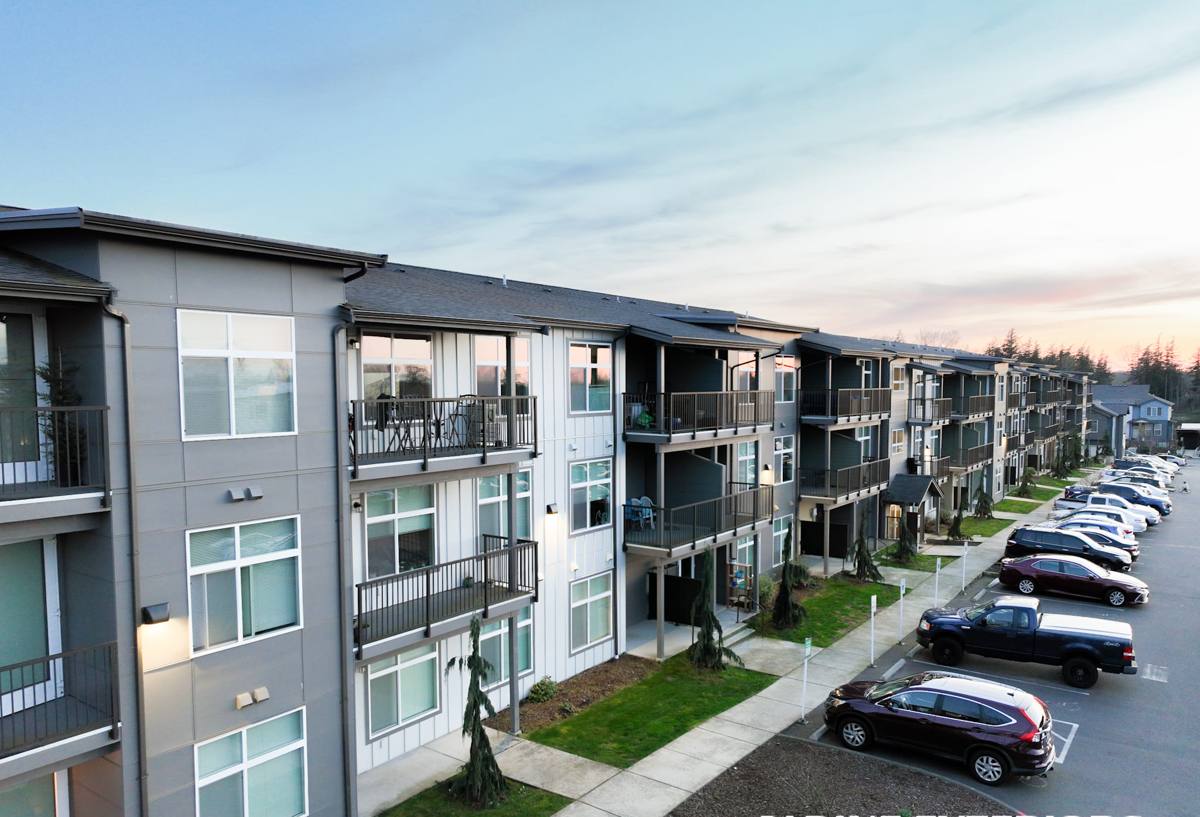
What Salt Air, UV, and Wind-Driven Rain Actually Do to a Wall
Each of these factors attacks siding differently, and a barrier island home gets all three at once:
- Salt air is corrosive to metal fasteners and trim, and it accelerates the breakdown of coatings that aren't formulated to resist it. Over years, salt exposure is one of the biggest reasons paint on a home near the Gulf fades and chalks faster than the same paint would inland.
- Year-round intense UV breaks down the resins and pigments in ordinary paint, which is why site-painted siding on Florida coastal homes tends to need repainting well before the siding material itself is worn out.
- Wind-driven rain doesn't just fall on a wall, it gets pushed sideways and upward into seams, laps, and trim joints that would never see water in a calmer climate. Any gap in flashing or caulking becomes an entry point.
None of this means siding fails quickly here. It means the margin for error in the product and the installation is smaller than it is in a lot of the country, and that's exactly where corners get cut on lower-grade products and rushed installs.
Why We Install James Hardie and Nothing Else
We standardized this company on James Hardie fiber cement siding because it holds up to this specific set of conditions better than the alternatives, not because it's the only product on the market. A few reasons behind that decision:
It's Non-Combustible and Dimensionally Stable
Fiber cement doesn't expand and contract with heat and humidity the way vinyl does, and it isn't a fuel source the way wood-based products are. On a home that spends its summers absorbing direct Gulf-front sun, dimensional stability matters — siding that moves a lot with temperature swings stresses its own fasteners and joints over time.
ColorPlus Finish Is Baked On, Not Painted On Site
James Hardie's ColorPlus technology applies the finish in a factory, cured under controlled conditions, rather than relying on a crew rolling or spraying paint onto the siding after installation. That factory finish is formulated specifically to resist UV fading and holds color longer under the kind of sun exposure St. Pete Beach gets nearly every day of the year. It's backed by its own finish warranty, separate from the substrate warranty on the board itself.
It's Engineered for This Exact Climate
James Hardie makes climate-specific product lines rather than one generic board for the whole country. Homes in humid, storm-exposed regions like ours are specified with HZ5 (or in some coastal applications, HZ10) formulations, engineered for higher moisture and humidity resistance than the product lines sold in drier climates. That distinction is part of why a Hardie board installed correctly on the Gulf coast performs the way it's rated to — the material itself was designed for conditions like the ones St. Pete Beach sees.
What a Correct Installation Involves Here
Fiber cement siding's reputation is built almost entirely on installation quality. A well-made board installed wrong will develop moisture problems no matter how good the material is, and a barrier island home exposes those mistakes faster than an inland one.
Clearance and Drainage
Siding needs proper clearance from the roofline, deck surfaces, and grade, along with a drainage plane behind it so any moisture that does get past the surface has somewhere to go instead of sitting against the wall sheathing. This is easy to shortcut and hard to notice until there's a problem years later.
Fastening for Wind Load
Any siding installed in Pinellas County needs to meet Florida Building Code wind-load requirements, which means the specific Hardie panel, fastener type, and fastening pattern used all need to match documentation showing they're rated for the wind zone the home is in. This isn't a place to improvise — the fastening schedule on a barrier island home should follow the manufacturer's high-wind installation instructions, not the standard pattern used further inland.
Flashing and Joint Sealing
Every window, door, and trim transition is a place where wind-driven rain can get pushed into the wall assembly. Correct flashing at these points, along with the right sealant used at joints and butt seams, is what keeps that rain from becoming a moisture problem behind the siding rather than just water running off the surface.
Fastener and Trim Material
Corrosion-resistant fasteners and trim hardware matter more here than almost anywhere else in the county because of constant salt exposure. Standard fasteners that would be fine on an inland Seminole home can start showing corrosion streaks on a beachfront wall within a few years.
Our Process on a St. Pete Beach Project
The steps are the same fundamentals we use everywhere, applied with the coastal exposure factored in from the start:
- Walkthrough and assessment — we look at existing siding condition, moisture points, trim and flashing details, and note anything specific to the home's exposure (Gulf-facing walls generally take the worst of it).
- Product and finish selection — HZ5 or HZ10 board selection, profile, and ColorPlus finish color, matched to the home and any HOA or community exterior guidelines that may apply.
- Written scope and plan — clearances, flashing details, and fastening schedule specified up front, not decided on the fly during installation.
- Removal and prep — old siding and trim removed, sheathing and drainage plane inspected and repaired as needed before anything new goes up.
- Installation to manufacturer high-wind specifications — proper clearances, corrosion-resistant fasteners, correct flashing, and sealed joints throughout.
- Final walkthrough — trim, caulking lines, and finish checked before we consider the job done.
Why It Matters That We Already Work This Island
St. Pete Beach isn't identical to working a job a few miles inland in Seminole. It's a narrow barrier island with limited access points, seasonal tourist traffic that affects scheduling and material delivery, a mix of single-family homes and condo or HOA communities with their own exterior approval processes, and building requirements shaped by its flood zone and coastal location. A crew that regularly works this island already has a feel for those logistics — permitting timelines, HOA documentation needs, staging materials on a tight lot, and coordinating around the area's traffic patterns — instead of learning them for the first time on your project.
There's also a simpler reason it matters: we see how our own installs hold up here over time. That feedback loop, from job to job on the same stretch of coast, is part of why our detailing around flashing, fastening, and finish selection is tuned to this specific environment rather than a generic playbook.
What Drives the Cost of a St. Pete Beach Siding Project
| Factor | Why It Affects Your Project |
|---|---|
| Home size and wall complexity | More corners, dormers, and trim transitions mean more flashing and cutting labor, not just more square footage of board. |
| Existing siding removal and substrate condition | If sheathing or the drainage plane needs repair after tear-off, that's addressed before new siding goes up, not covered over. |
| Board profile and ColorPlus color | Lap width, shingle-style panels, and specific factory finish colors vary in material cost. |
| Trim and accessory scope | Corner boards, window and door trim, and fascia work are often part of a full siding project, not a separate line item people expect. |
| Access and site logistics | Narrow lots, limited staging space, and seasonal island traffic can affect scheduling and setup time. |
| HOA or community review | Some St. Pete Beach communities require exterior approval before work starts, which affects timeline more than cost, but needs to be planned for. |
We give a firm, written scope after walking the specific home — broad ranges without seeing the walls, trim, and access aren't useful to you and we don't lead with them.
Keeping Salt Air From Cutting Your Siding's Life Short
Correct installation is most of the work, but a little homeowner maintenance extends how long that installation performs at its best:
- Rinse siding with a garden hose a few times a year to clear salt residue, especially on Gulf-facing walls
- Walk the exterior after major storms and note any caulking that looks cracked, pulled away, or missing
- Keep an eye on fastener heads and trim hardware for early corrosion staining
- Trim back landscaping that holds moisture against the siding or blocks airflow along a wall
- Avoid pressure washing directly into seams and joints — a garden hose and soft brush are enough
- Have caulking and trim checked periodically rather than waiting for a visible problem
None of this is a heavy maintenance burden — it's the kind of upkeep that takes an afternoon and heads off the small issues that would otherwise turn into bigger ones a few years down the road.
Get a Straight Answer for Your Home
If you're weighing a siding project on a St. Pete Beach home, we're glad to come take a look, walk you through what James Hardie's HZ5 or HZ10 lines would mean for your specific walls and exposure, and give you a written estimate with no pressure attached. Reach out through the form below to get started.